

{{item.Subject}}
Vehicle spotlight
Learn about events, happenings and more
Why there'll never be a Maserati like this again
Friday, 10 July 2026 | James Coleman
Whether you would actually buy a Ferrari if you had that kind of money is irrelevant. We've all been trained since birth to place that name at the top of the motoring pyramid as the undisputed king of cardom.
So, anything with vague links to Ferrari will be glorified with the same brush. It's why Alfa purists crow long and hard about the "Ferrari-derived" V6 in the Giulia Quadrifoglio.
But this Maserati goes even further. Closer to the sun.
Because Ferrari actually built its engine. By hand. In its Maranello factory. And then christened it with the codename "Ferrari F160".
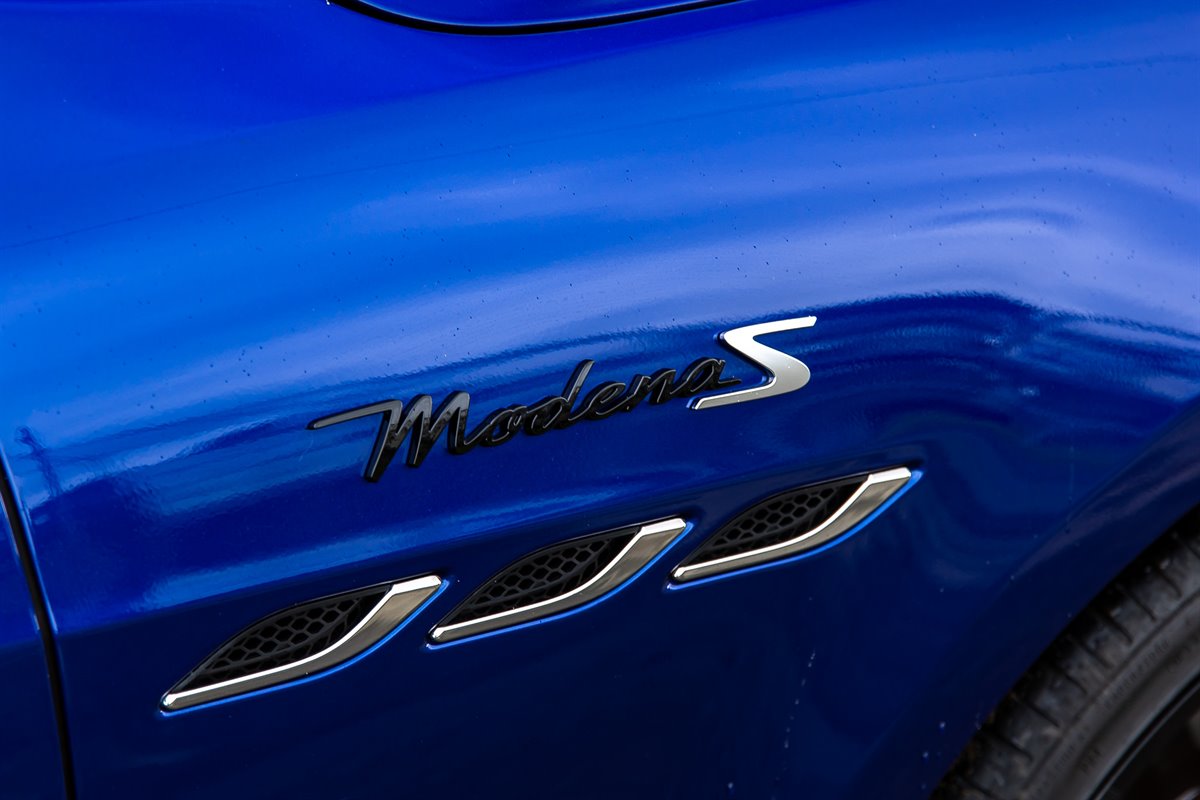
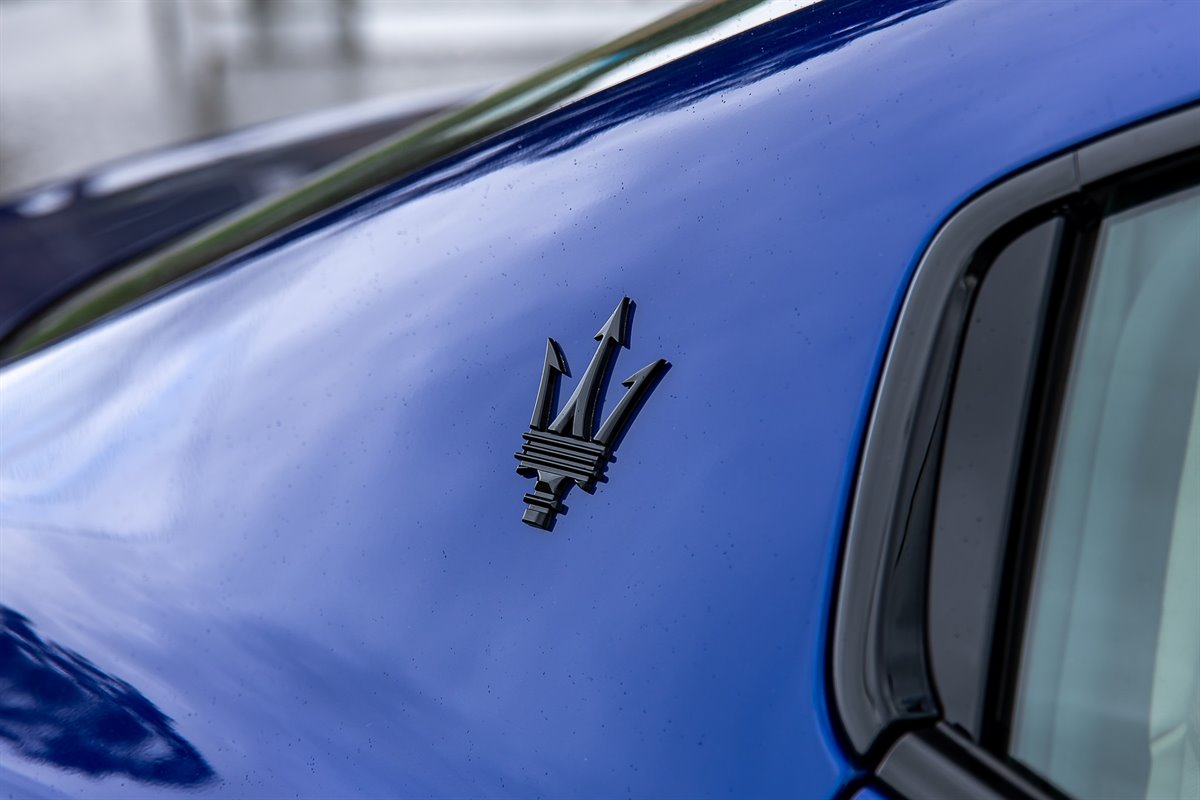
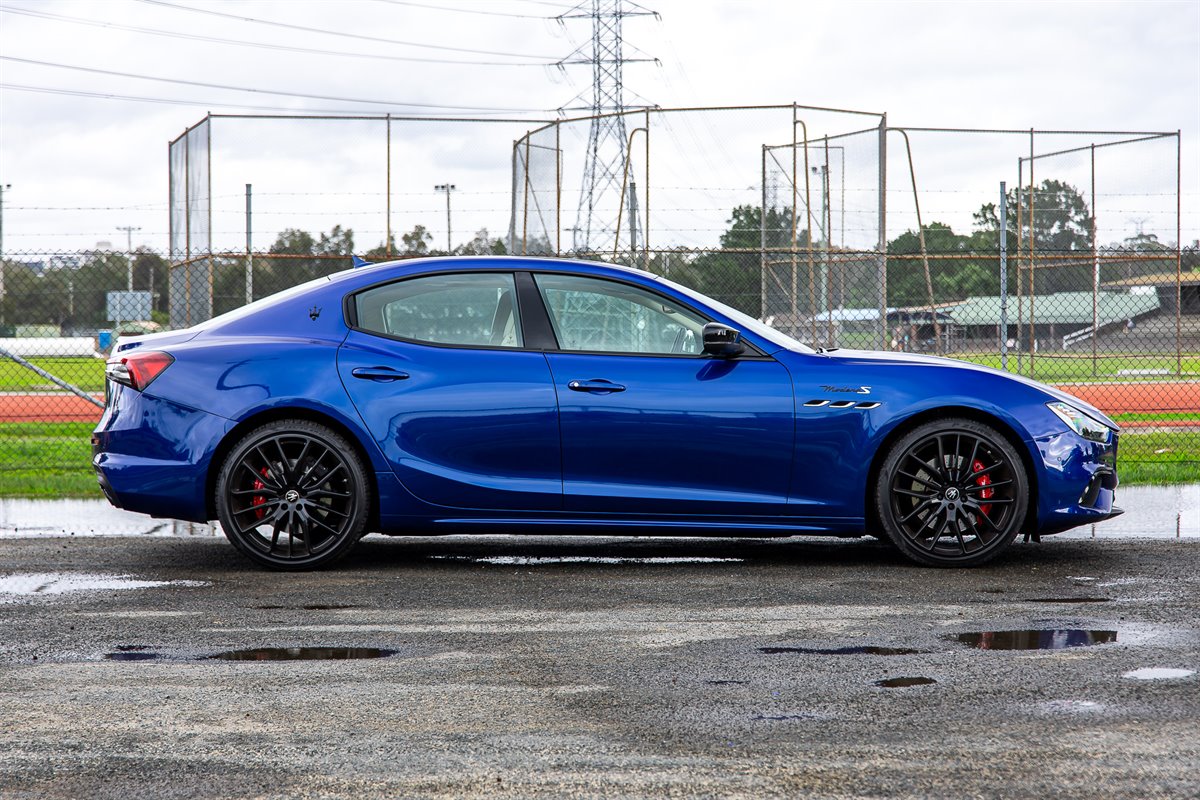
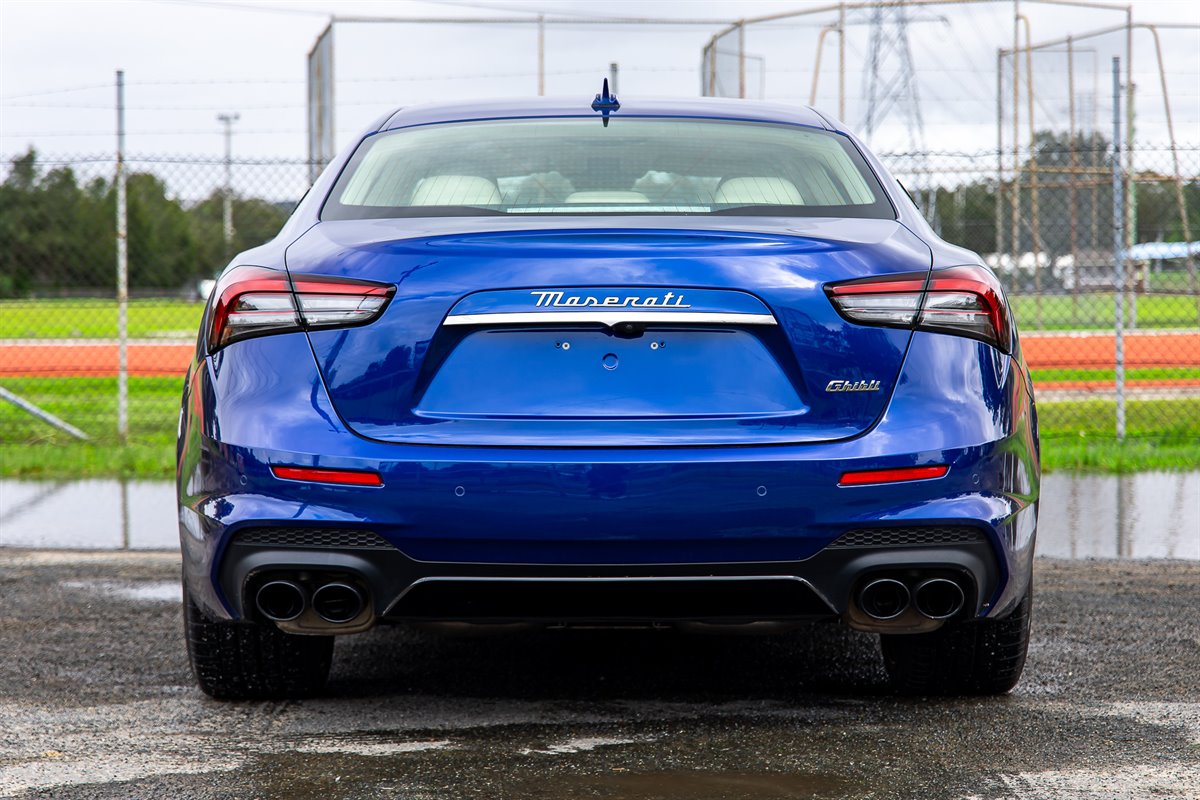
Swipe or scroll sideways · 7 images
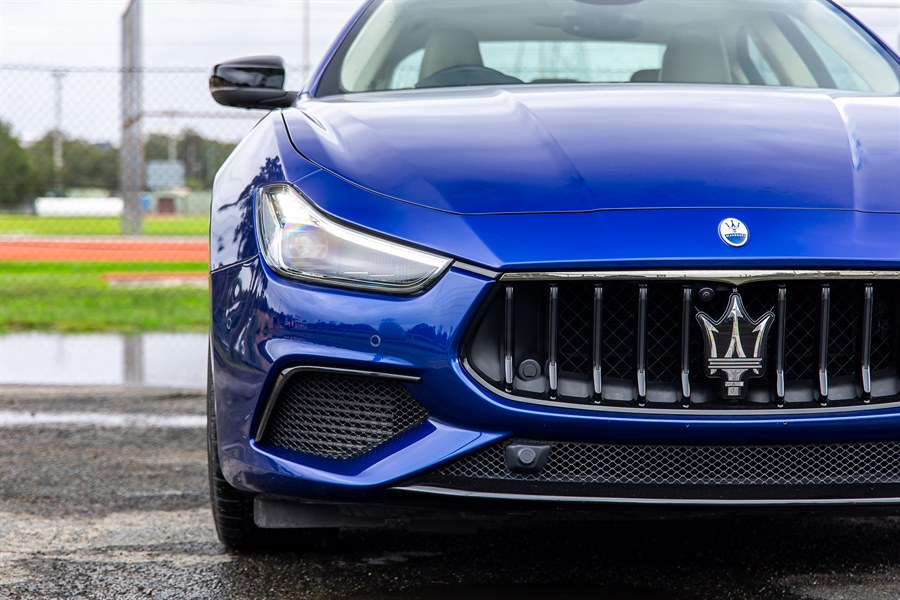
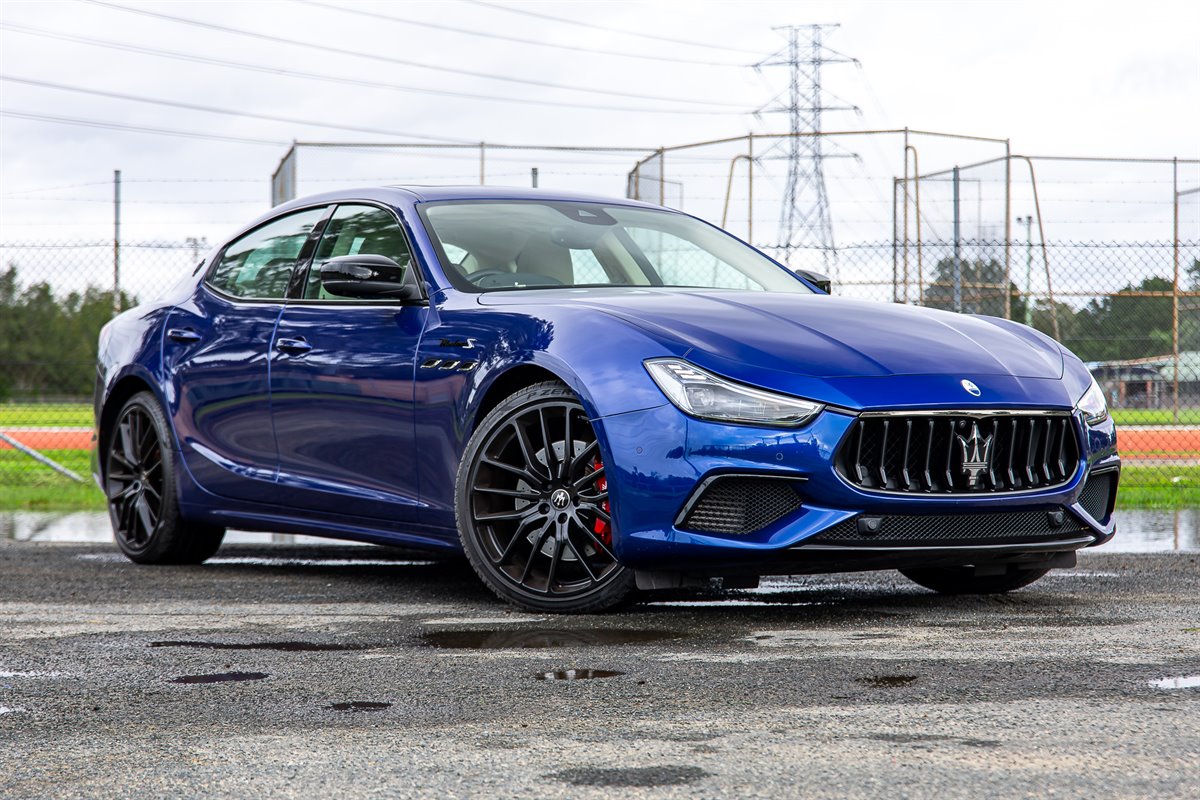
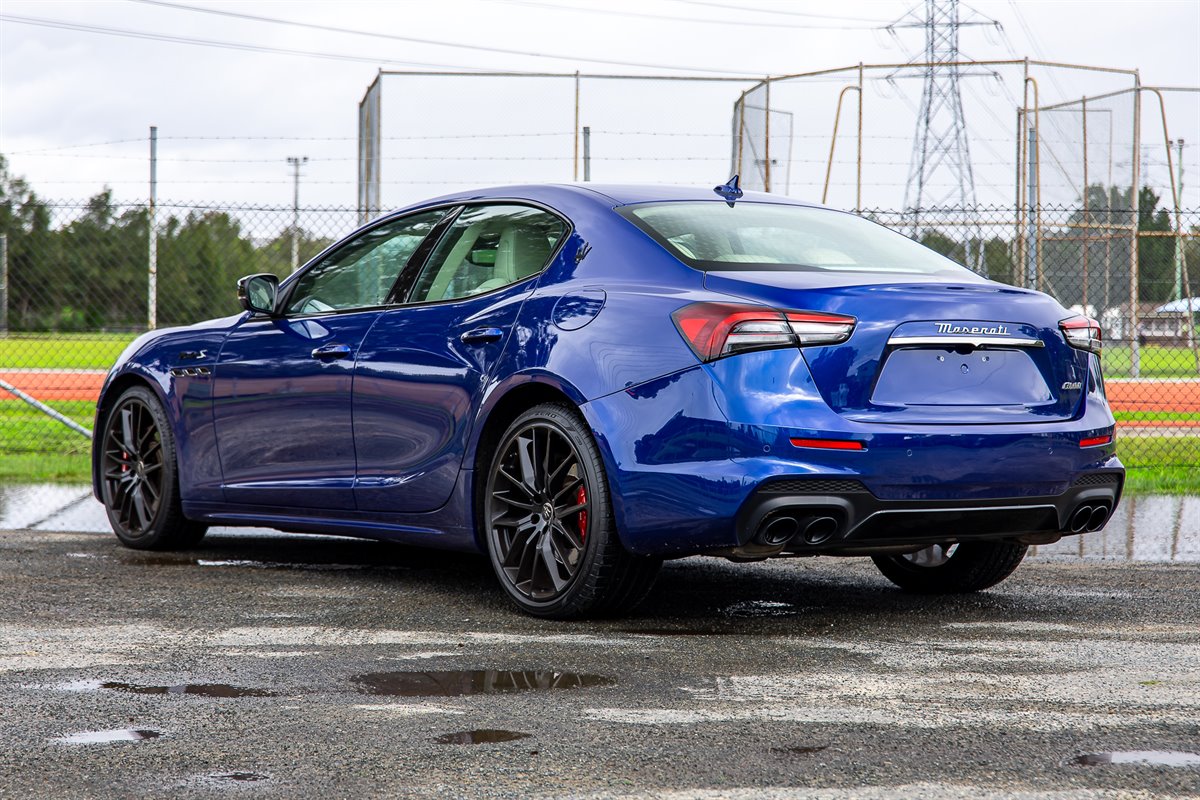
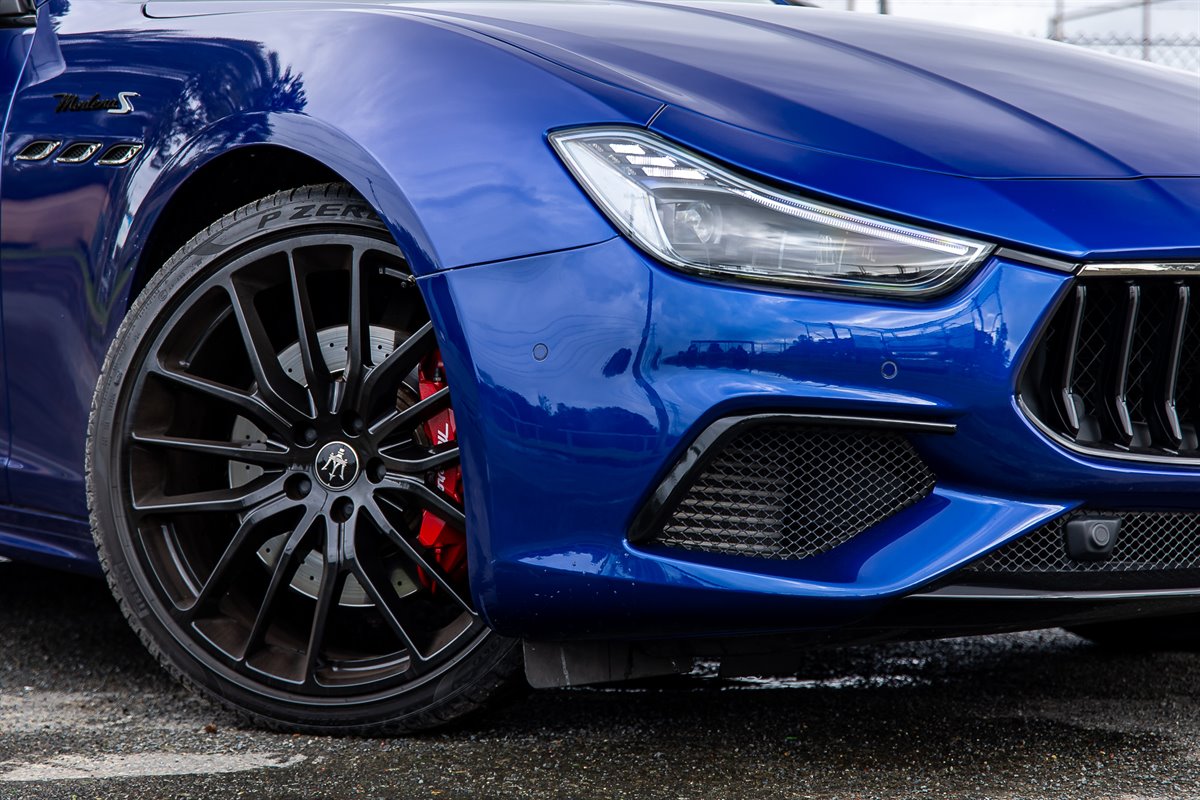
Yep, the 3-litre twin-turbo V6 in this 2022 Maserati Ghibli Modena S started out in life as engine blocks, cast and machined at the Fiat Chrysler factory in the US - under the careful eye of Ferrari hawks - before the parts were shipped direct to Ferrari's factory in Maranello for assembly.
Online forums quibble over exactly which parts are shared and to what degree, but the finished product is also related to Ferrari's own twin-turbo V8 engines.
But don't expect any more like it in the future.
How the Maranello marriage began
Fiat, of all brands, was the matchmaker between Ferrari and Maserati.
In 1997, Fiat owned both and decided to hand control of a struggling Maserati over to its historic racing rival: Ferrari. Initially, Ferrari had a 50 percent stake before Maserati became entirely theirs in 1999.
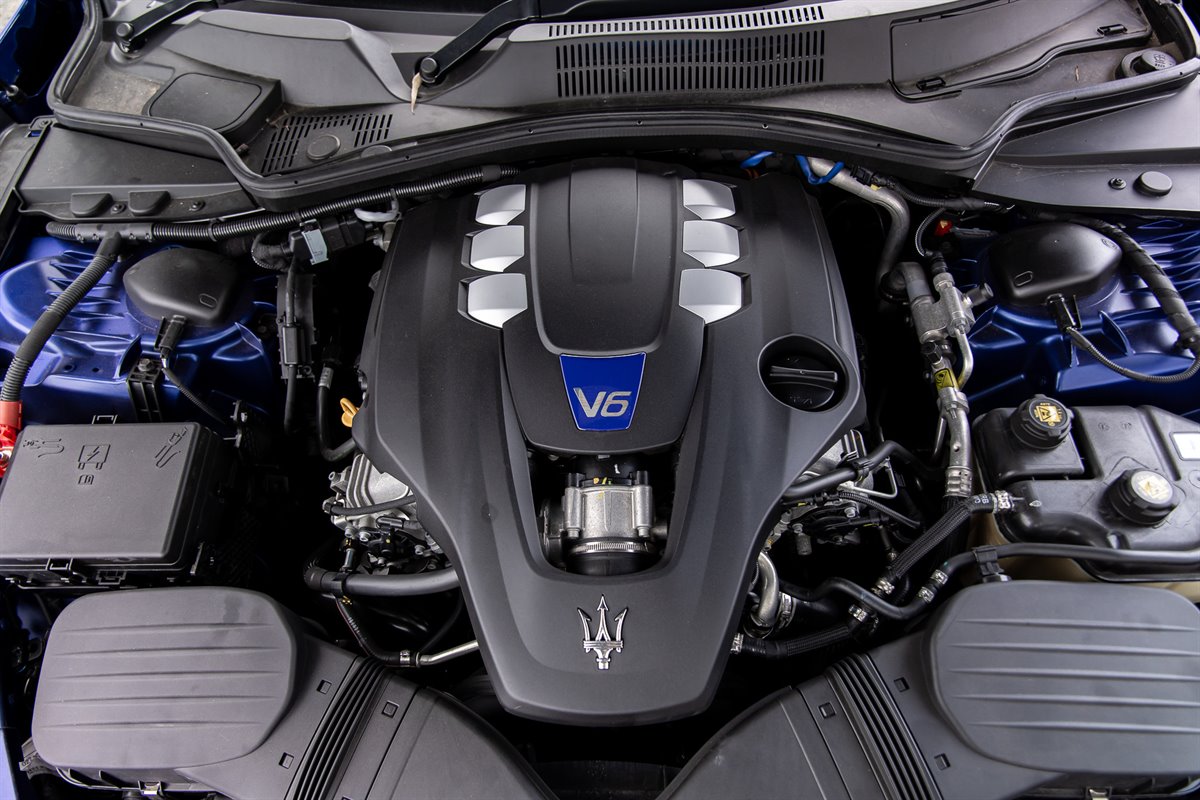
The 3-litre V6 in the Ghibli Modern S. Photo: CARBIDS.
It was a genius move. Maserati's messy production lines were modernised and its brand injected with some sorely needed supercar pizazz.
By the early 2000s, the partnership had evolved into a formal powertrain agreement. Maserati got the prestige and power of Maranello-built engines, while Ferrari generated extra revenue to fund its racing programs.
It was a win-win that lasted for over two decades.
The golden era: a V12 hypercar, a V8 sedan and ... SUVs?
The peak of their relationship was the 2004 Maserati MC12, which used the very same 6-litre V12 engine from the hallowed Ferrari Enzo.
Maserati did tinker with the parameters slightly, shifting the power band and pairing it with a longer and wider carbon-fibre chassis. This meant the MC12 was slightly slower than the Enzo - 3.7 seconds to 100 km/h, compared to 3.6 seconds, and a 330 km/h top speed, instead of 350 km/h.
But it was still plenty to get Maserati back to the top of the charts in FIA GT Championship, with the car winning multiple titles.
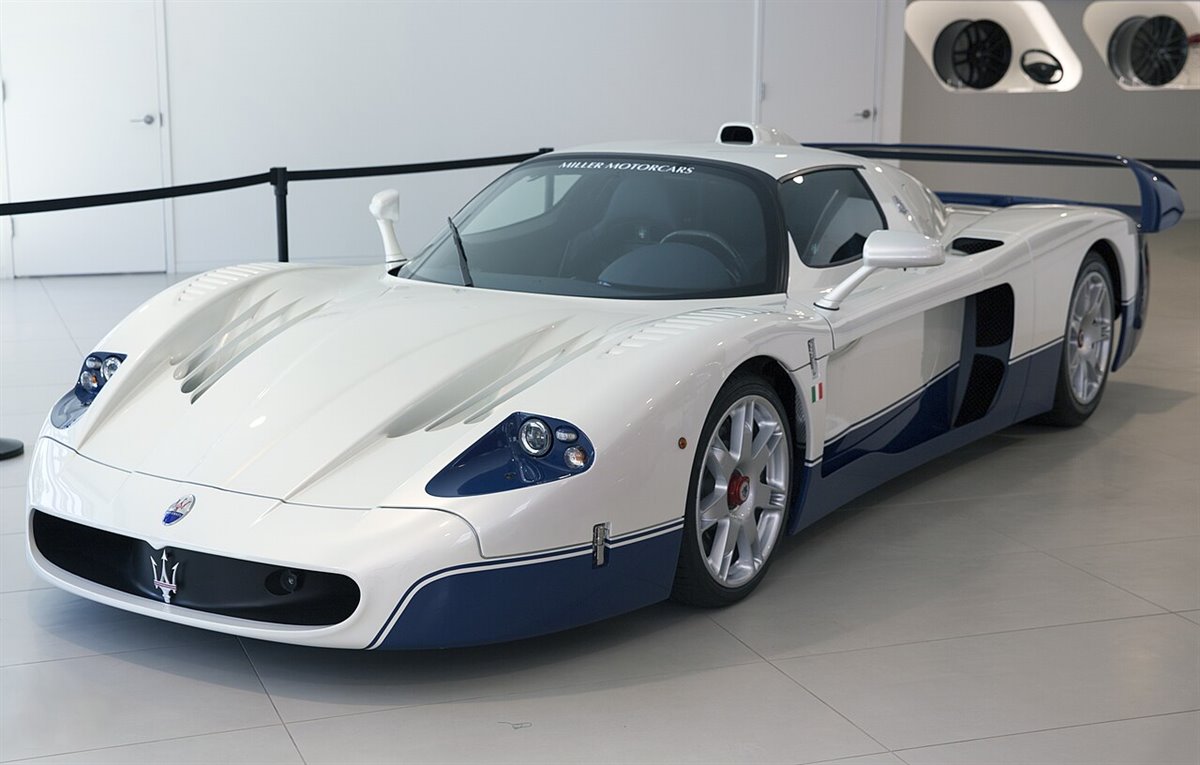
The Enzo-powered Maserati MC-12. Photo: Wikimedia Commons.
Then, from 2003 to 2012, Ferrari loaned their 4.2-litre V8 to a Maserati from the other end of the spectrum - the four-door Quattroporte sedan. Mind you, the two-door GranTurismo and GranCabrio of the same generation used the same engine too, alongside Ferrari's 4.7-litre V8.
More recently, Ferrari's first SUV may not actually be its own Purosangue - because the Trofeo and GTS versions of the Maserati Levante Trofeo used Ferrari twin-turbo V8s (the engineers did dampen the throttle response slightly).
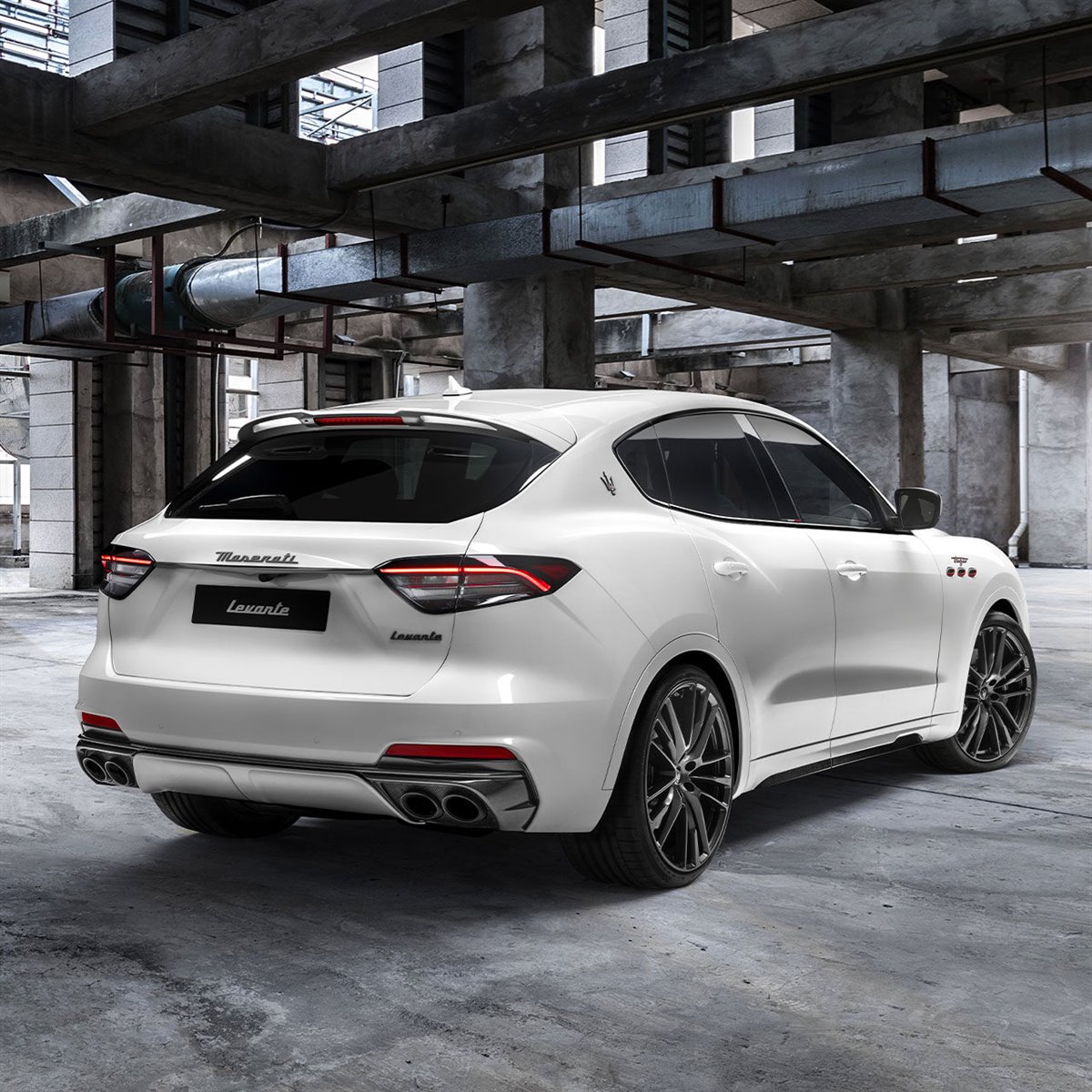
The Maserati Levante Trofeo. Photo: Maserati.
Why the deal fell apart
All good things must come to an end, and this breakup was purely business.
The rumblings began in 2005, when Fiat took Maserati back to align closer with its other child brand of Alfa Romeo. This freed up Ferrari too, and in 2015, it spun off entirely into its own independent company listed on the stock exchange.
Suddenly, Ferrari didn't answer to Fiat's corporate bosses - and didn't have to share their toys with anyone any more. So their priority shifted entirely to scaling up their own production line and focusing on hybrid setups.
By 2019, Ferrari's then-CEO Louis Camilleri made it official: they would not renew the engine contract. Ferrari needed the factory capacity back for themselves, leaving Maserati with a hard deadline to figure out their own future.
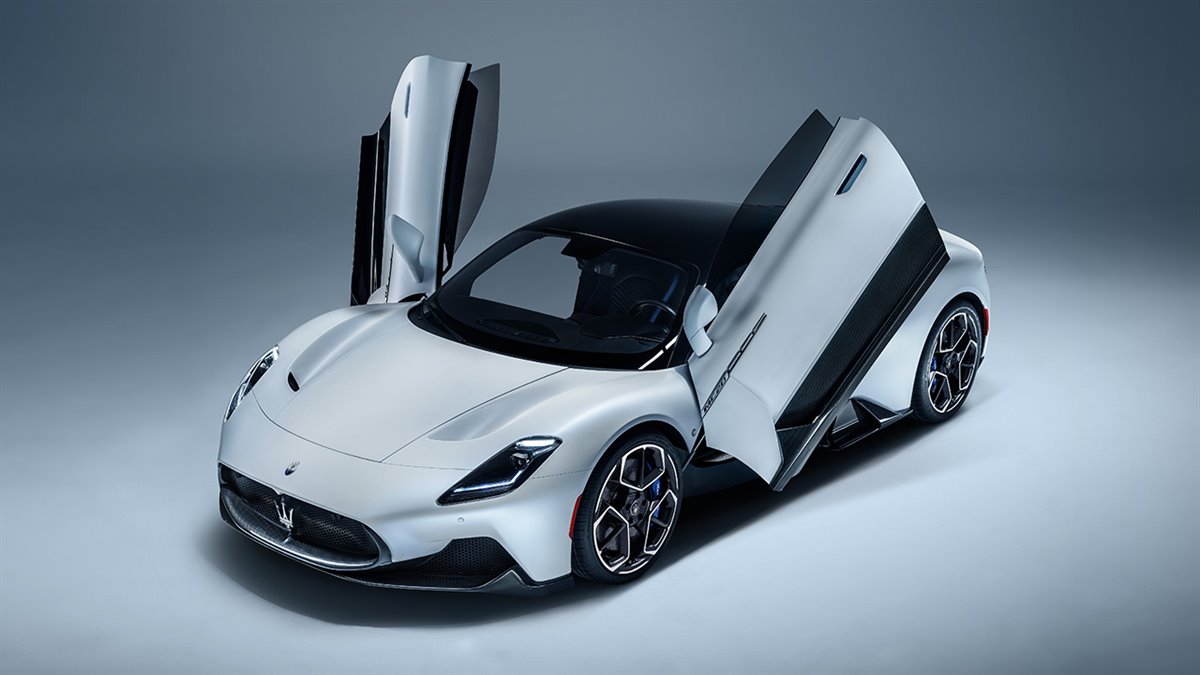
The Maserati MC20 - with the brand's own V6. Photo: Maserati.
The new era and your chance to own the history
So, has this left Maserati high and dry? Not quite.
They went back to their own desks and developed a new 3-litre twin-turbo V6 - dubbed the "Nettuno" - entirely in-house. It made its grand debut in the 2020 MC20 supercar, with headline figures of 463 kW, 0-100 km/h in 2.9 seconds, and a 325 km/h top speed.
As for the Quattroporte, Ghibli and Levante, they're all gone now. Only the GranTurismo, GranCabrio, Grecale, and a slighly updated version of the MC20 remain - all users of the Nettuno (the Grecale also adds an electric Folgore model, but the less said about that, the better).
But this brings us right back to this 2022 Maserati Ghibli Modena S on the auction block.
Swipe or scroll sideways · 7 images
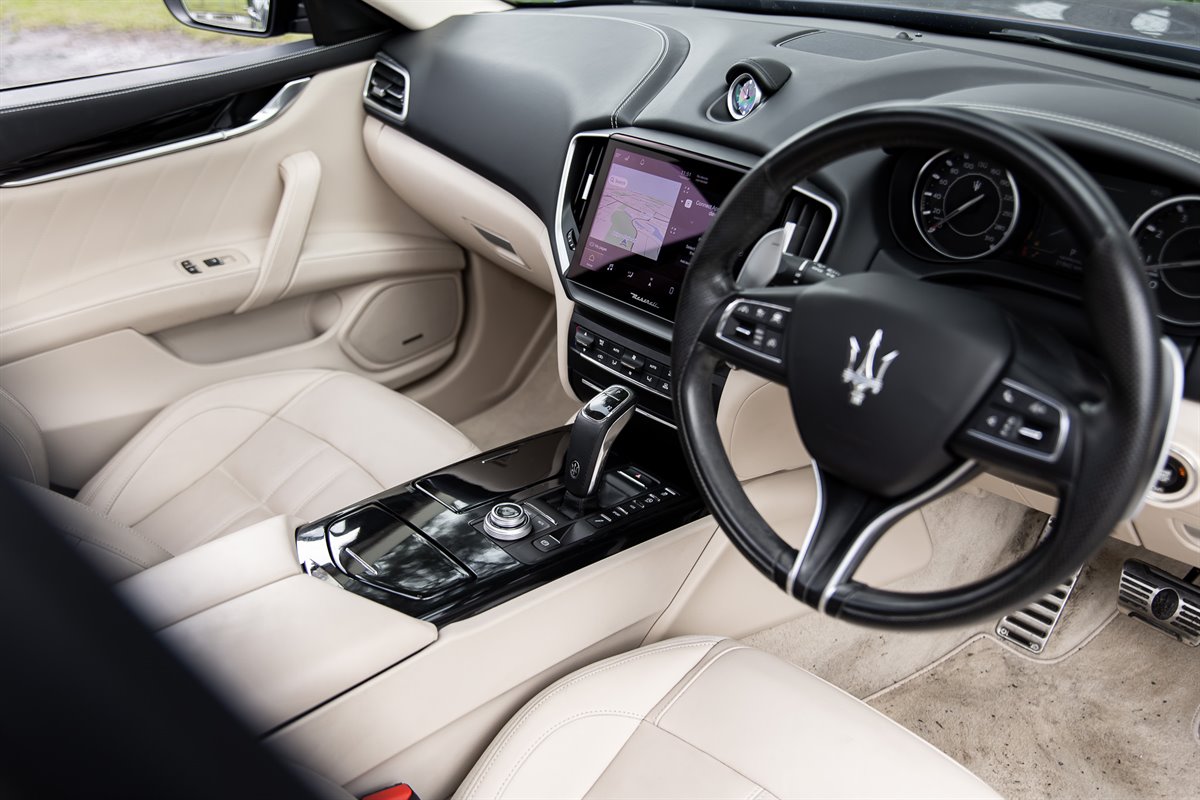
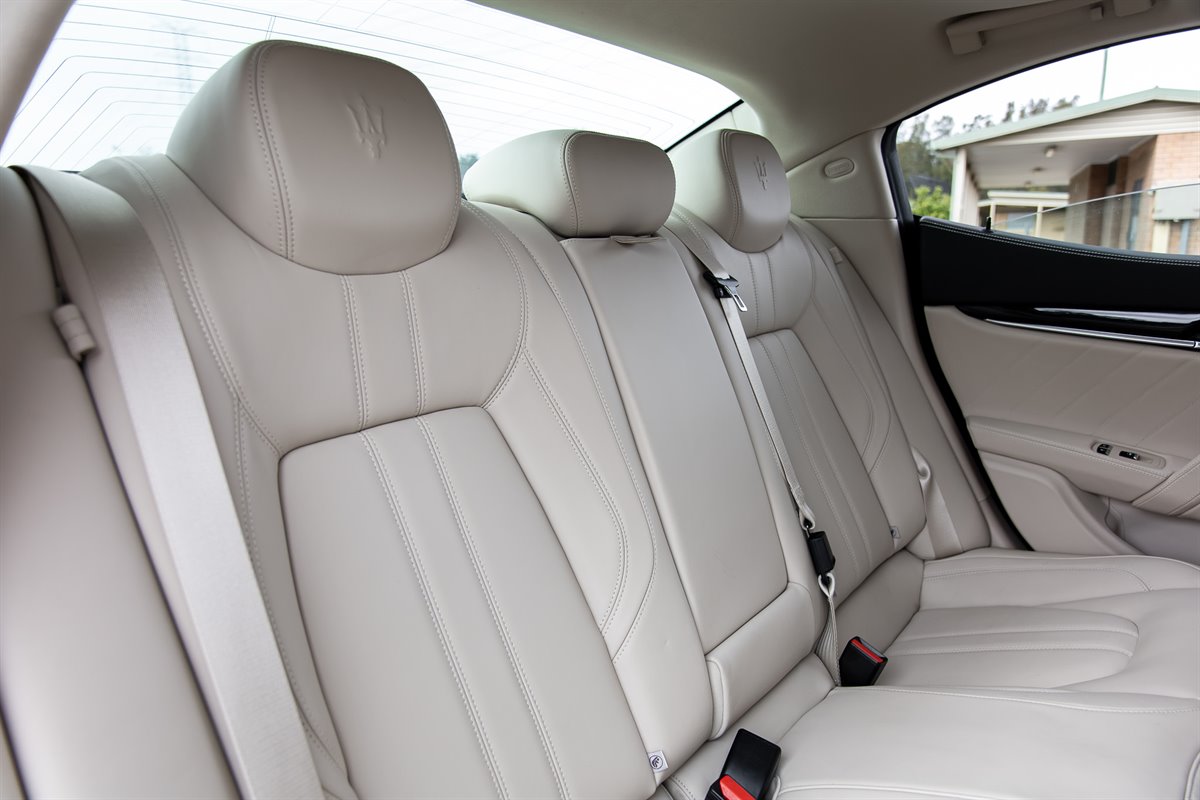
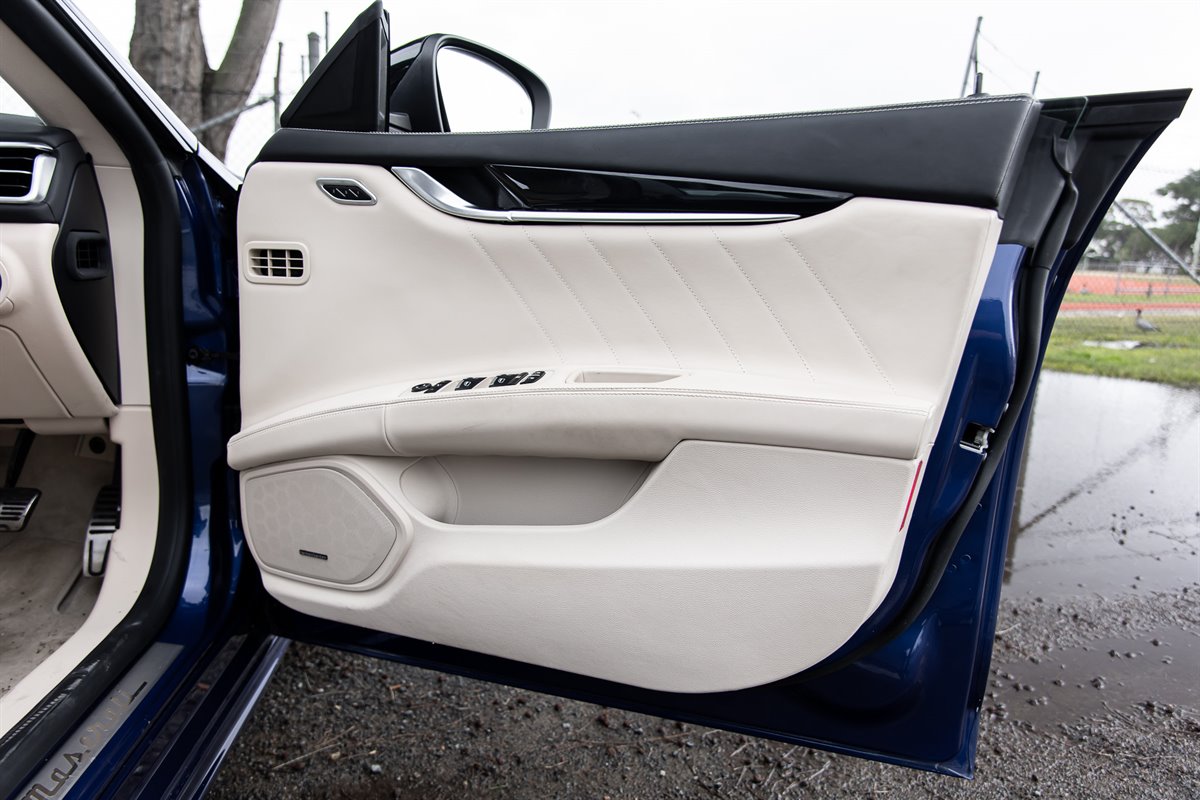
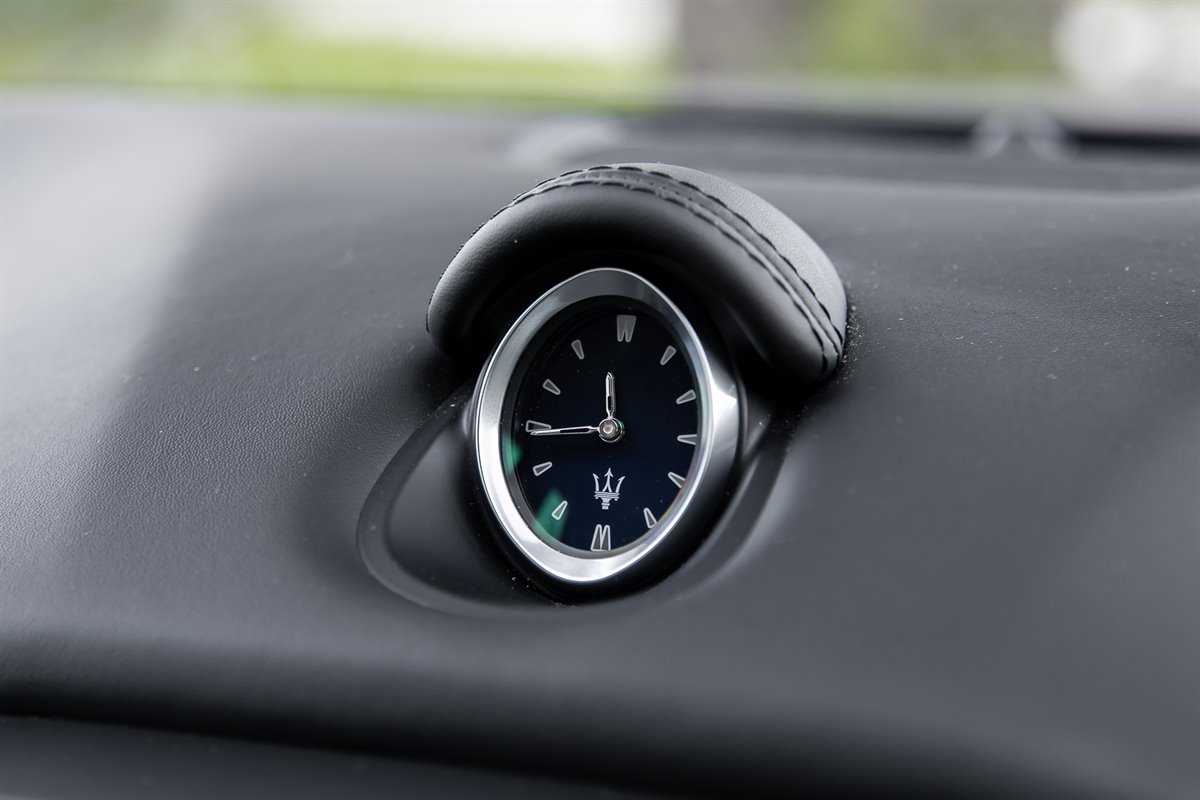
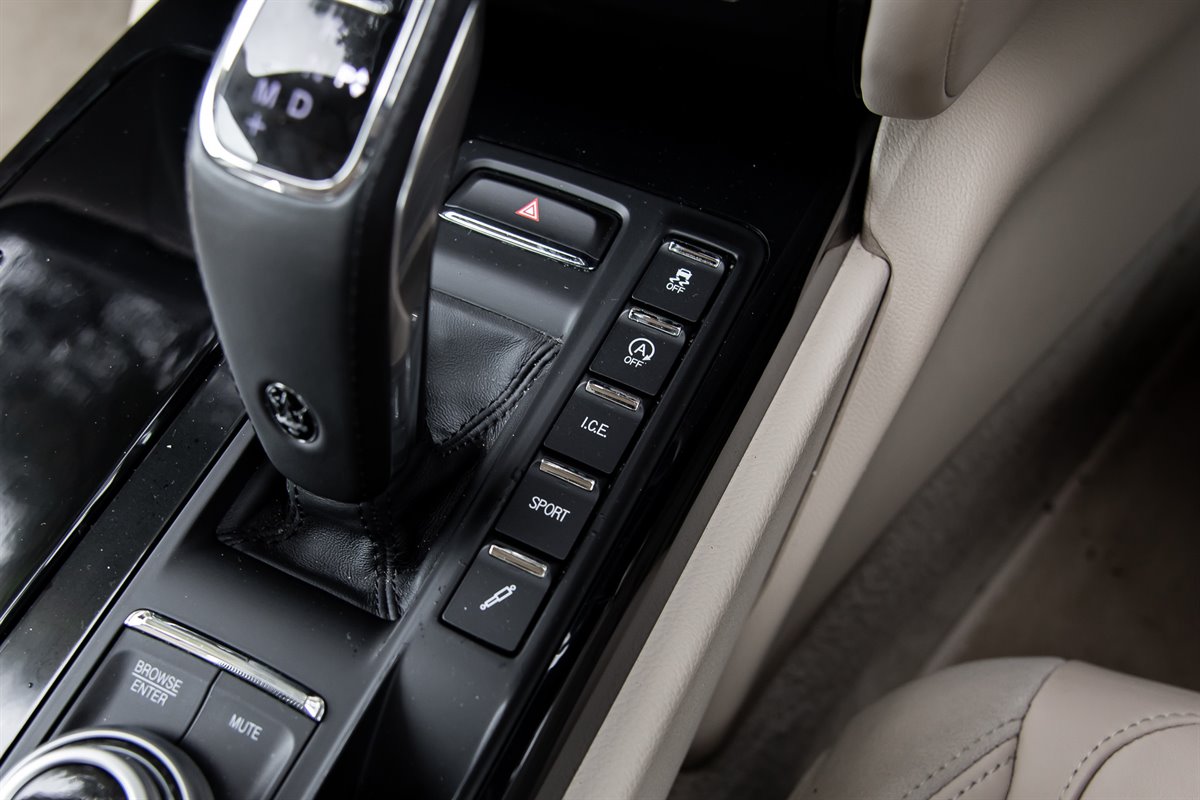
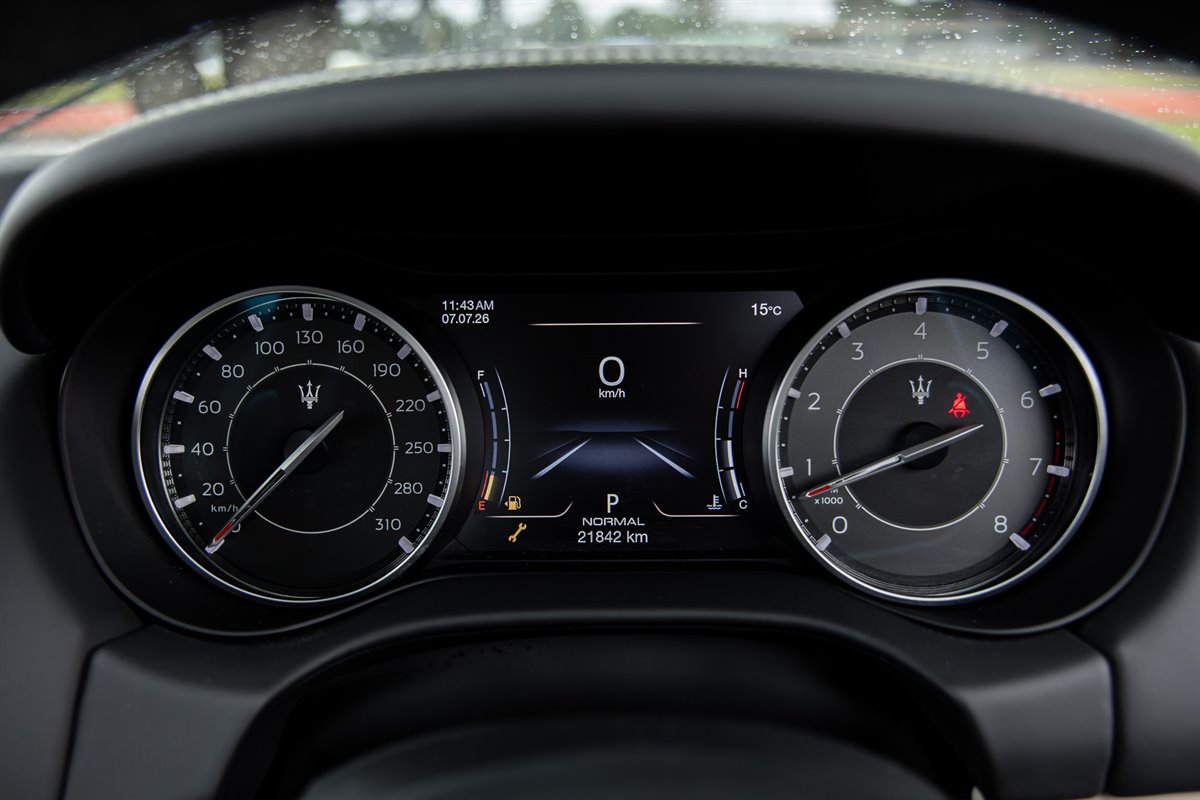
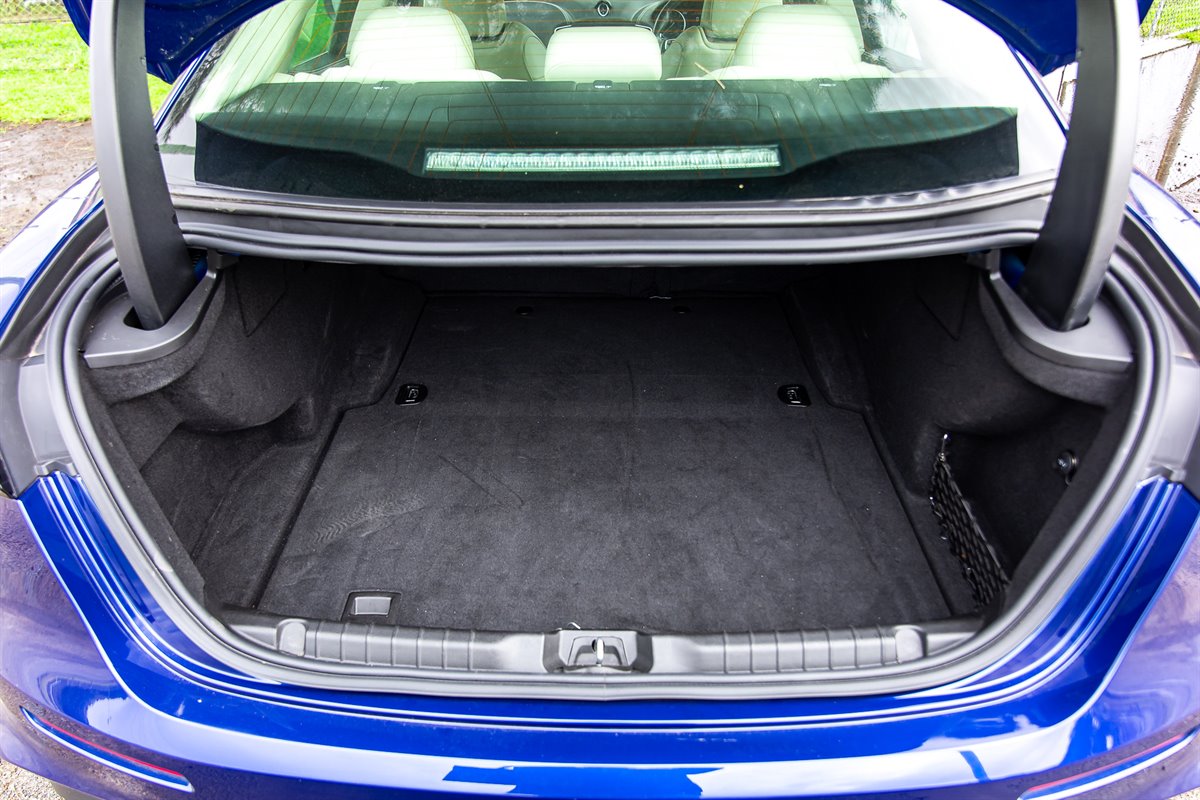
Showing just 21,846 km, it is in remarkably clean and tidy condition. The spec is beautiful: deep Blu Emozione metallic paint paired with gloss black 21-inch wheels and a rich beige leather interior. And of course, it features that classic Maserati speciality - the elegant dashboard-mounted clock.
This car is part of The Curated Auction, featuring the most exotic cars from across our Canberra and Sydney locations. Bidding ends Wednesday, 22 July.
Surely one of history's most venerated sedans - we salute you.
|
|