

{{item.Subject}}
New Car Review
Learn about events, happenings and more
This electric Chinese SUV comes with a surprising Maserati connection
Tuesday, 13 October 2026 | James Coleman
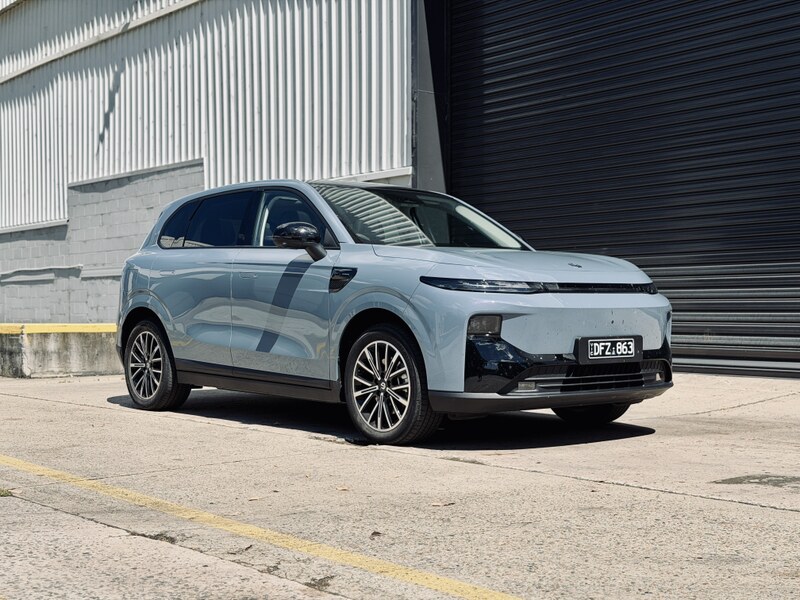
It's easy for our eyes to glaze over at this point, when what feels like a new Chinese car brand is arriving in Australia every week, usually with a name that sounds entirely made up.
Leapmotor could easily fall into that category. (I mean, what sort of name is that?)
LP arrived here last year with the C10 SUV, available as a full EV or with a petrol-powered range extender. But helping it stand out is the backing of Stellantis - the same enormous conglomerate behind Jeep, Alfa Romeo, Fiat and Maserati.
And that brings us to something rather unexpected about the smaller Leapmotor B10. Its suspension was tuned with input from Maserati, at Stellantis' Balocco proving ground in Italy.
Yep, a cheap Chinese electric SUV with help from an Italian exotic-car maker. But before you envision wooing the neighbours by turning up in a cut-price Grecale, here's what you need to know.
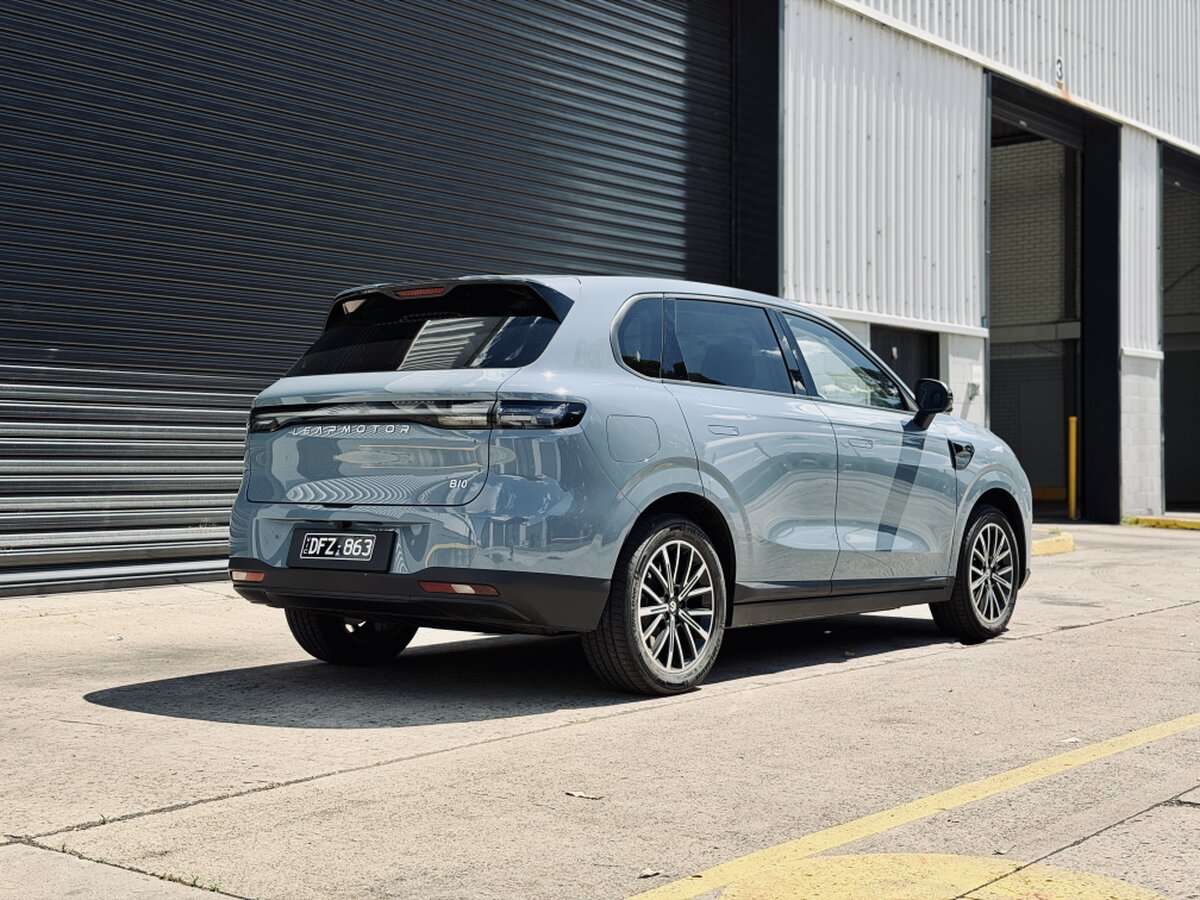
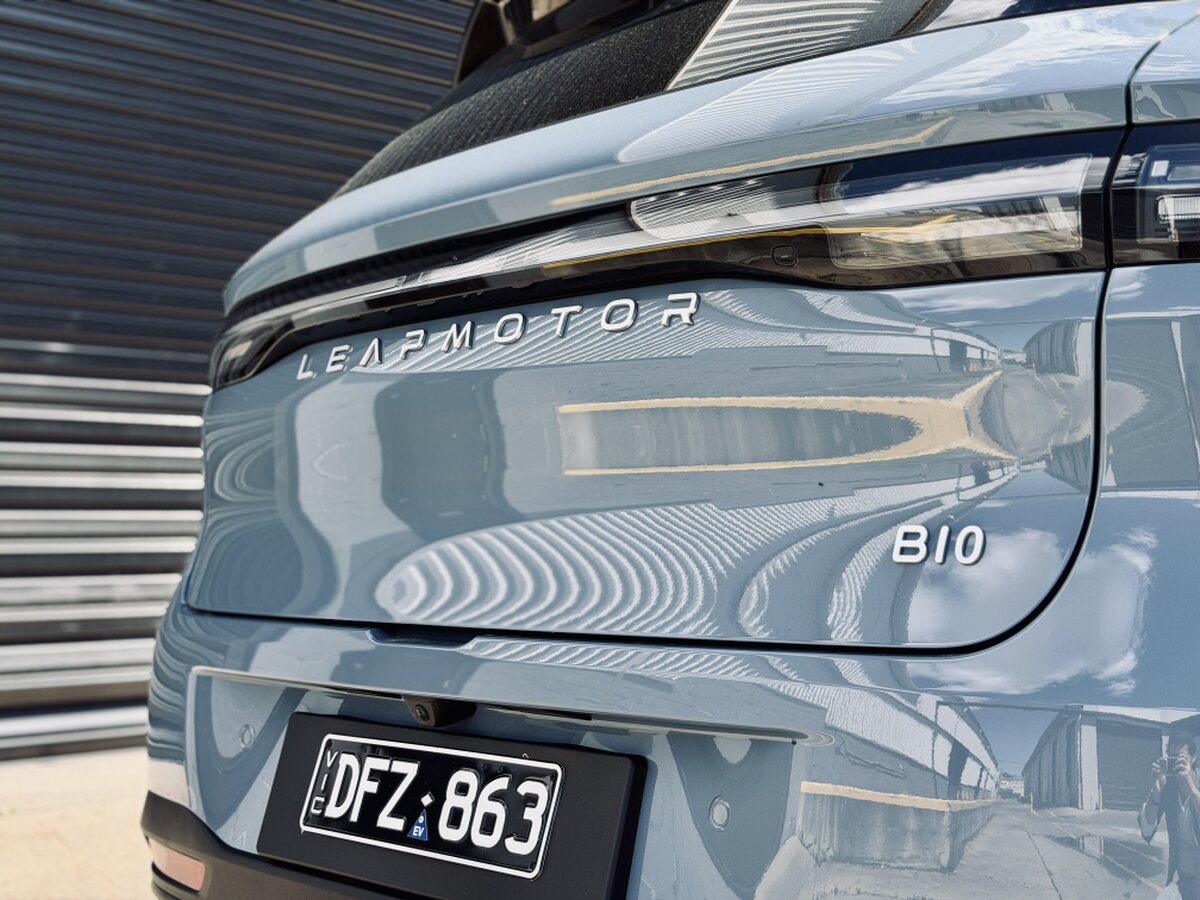
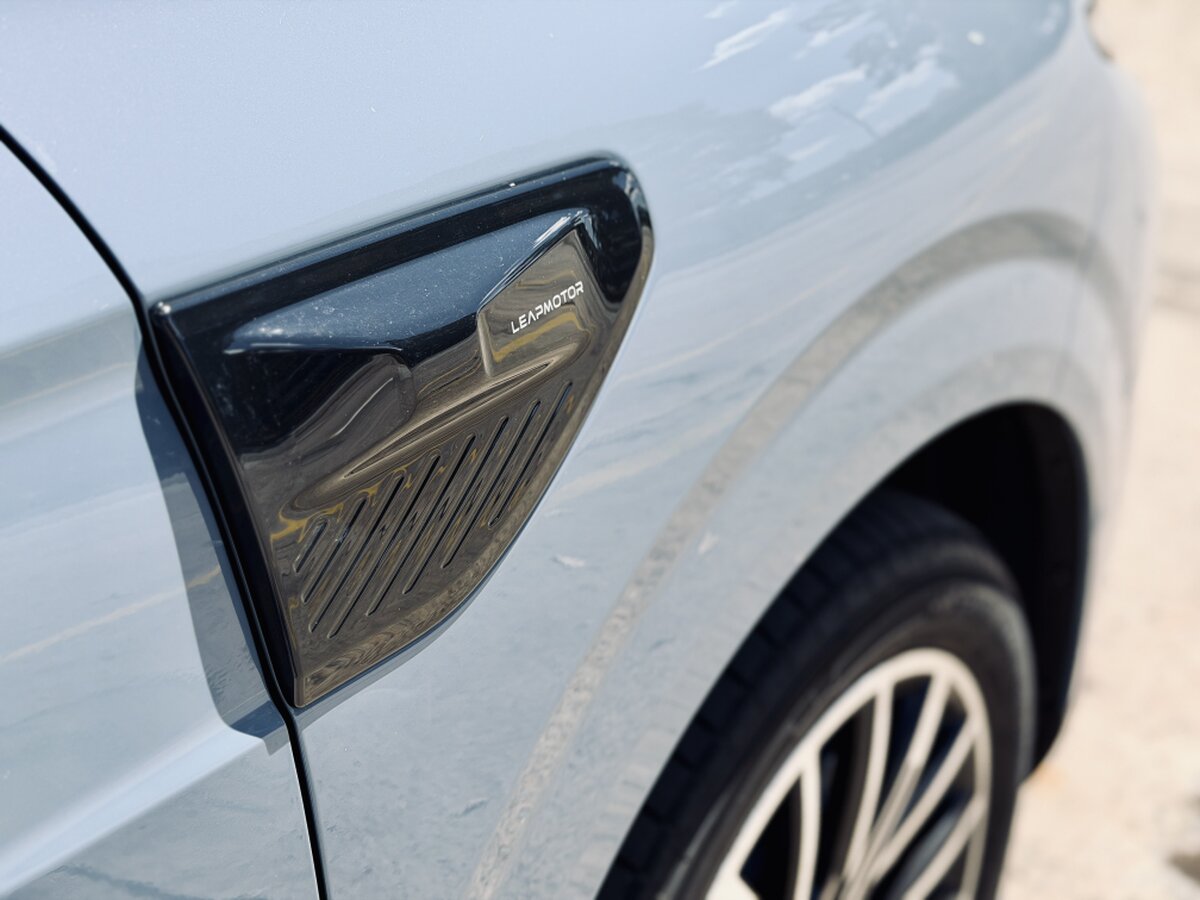
Swipe or scroll sideways · 7 images
What is it?
The B10 launched in two electric versions, starting with the $38,990 drive-away Style, which briefly claimed the title of Australia's cheapest electric SUV.
Like a chip at the beach, however, that title has been fought over viciously since, with BYD's Atto 2 joining the battle before Leapmotor clawed it back with the smaller B03X at $29,990 drive-away earlier this month.
Then there's the B10 Design Long Range, priced at $41,990 drive-away, which adds a larger battery and a fair bit more equipment.
This is the one I borrowed. It promises 434 km of range, and DC charging from 30 to 80 per cent in around 20 minutes. It also has vehicle-to-load capability,meaning you can plug in appliances like a coffee machine or TV. Technically, then, it could double as Australia's cheapest house.
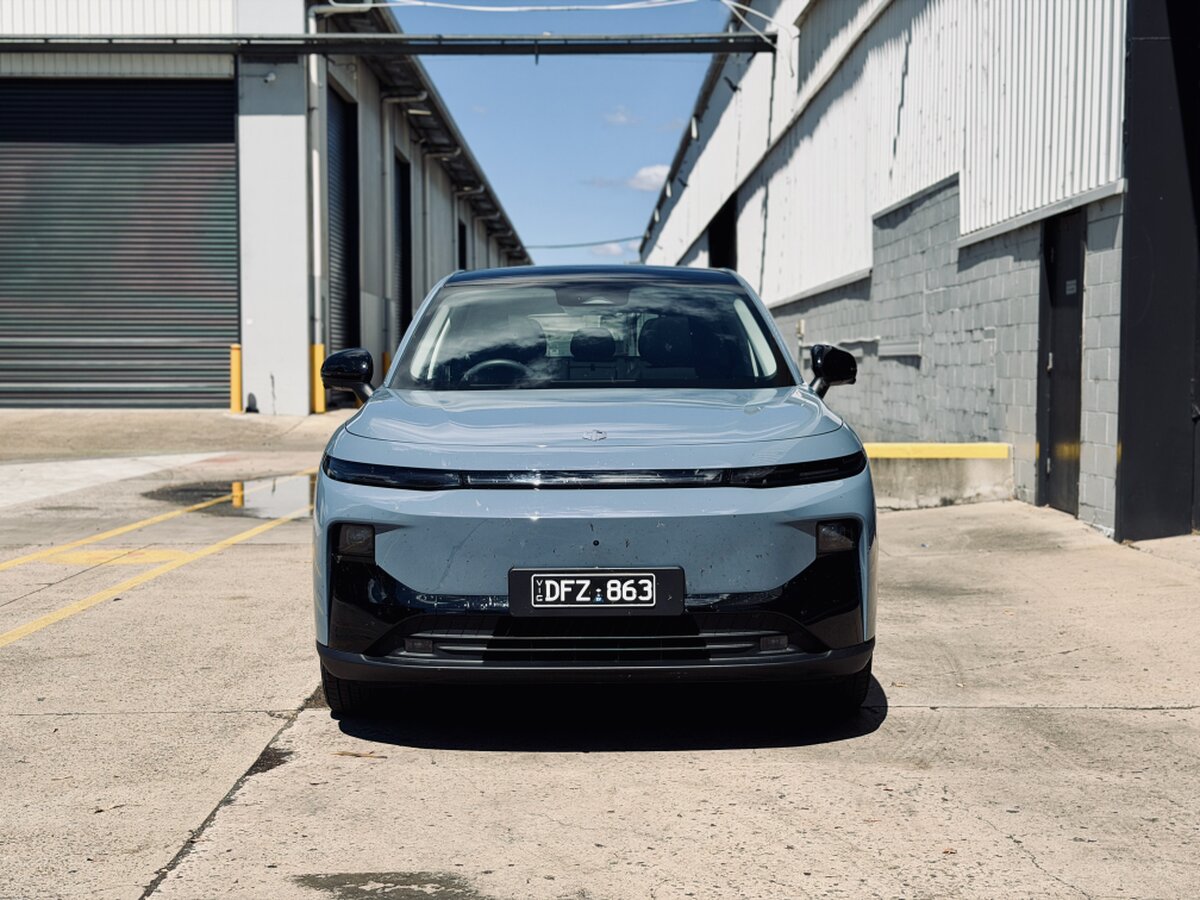
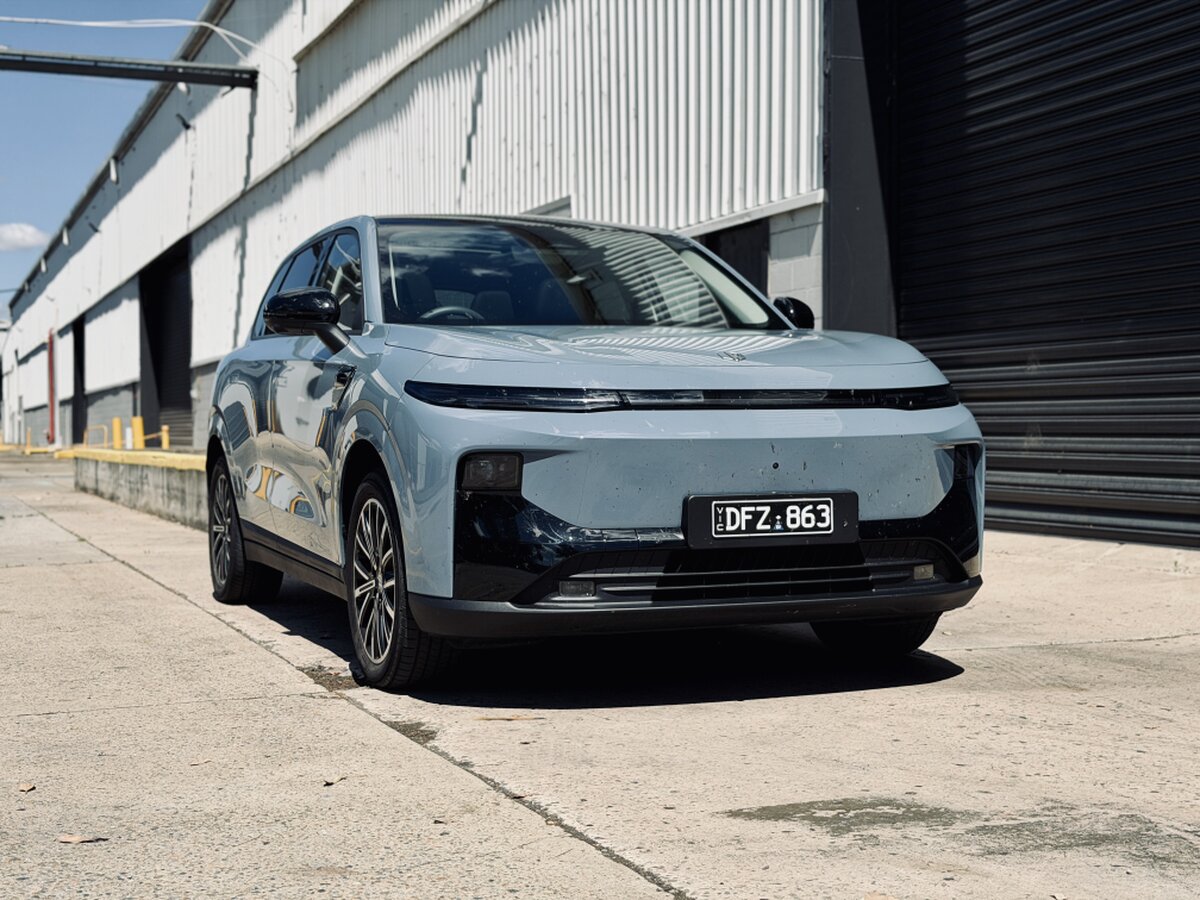
A handsome, if dull, face.
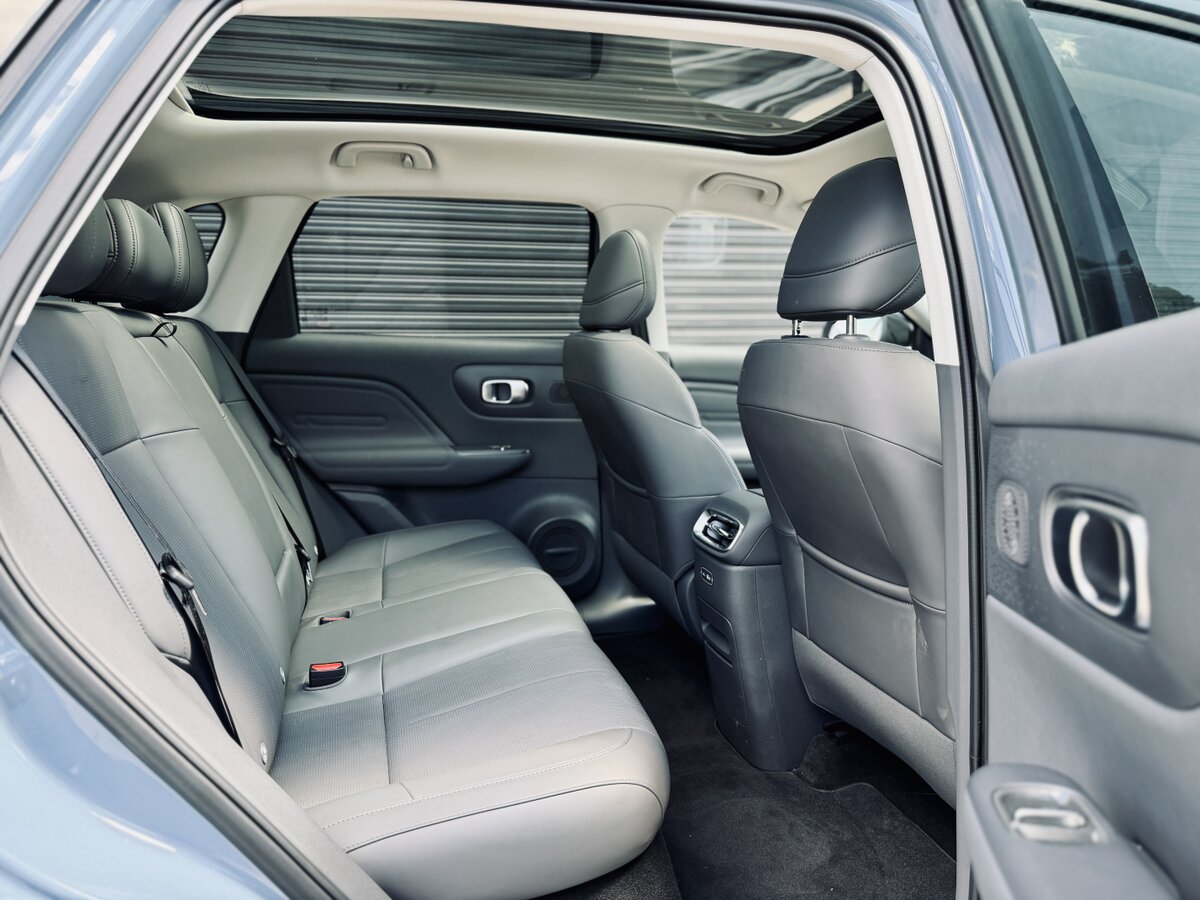
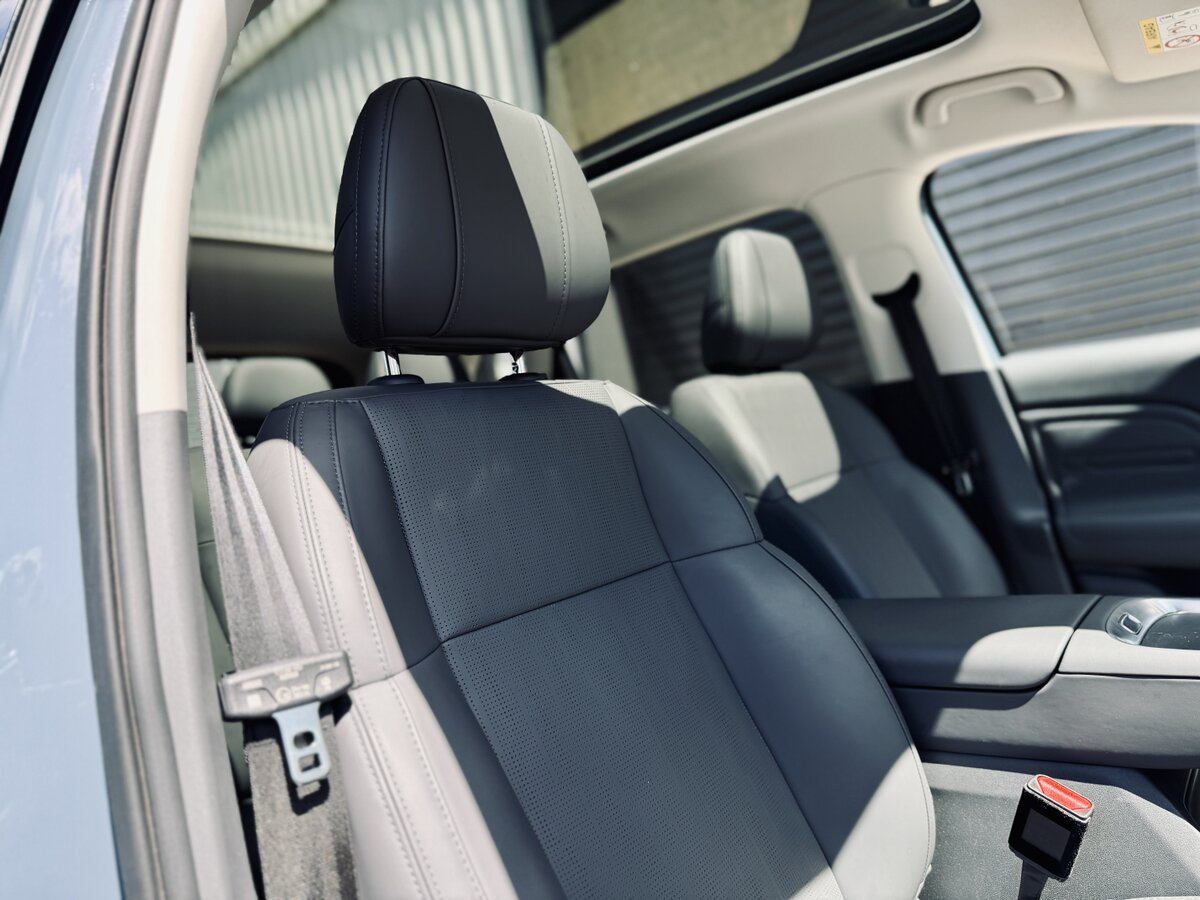
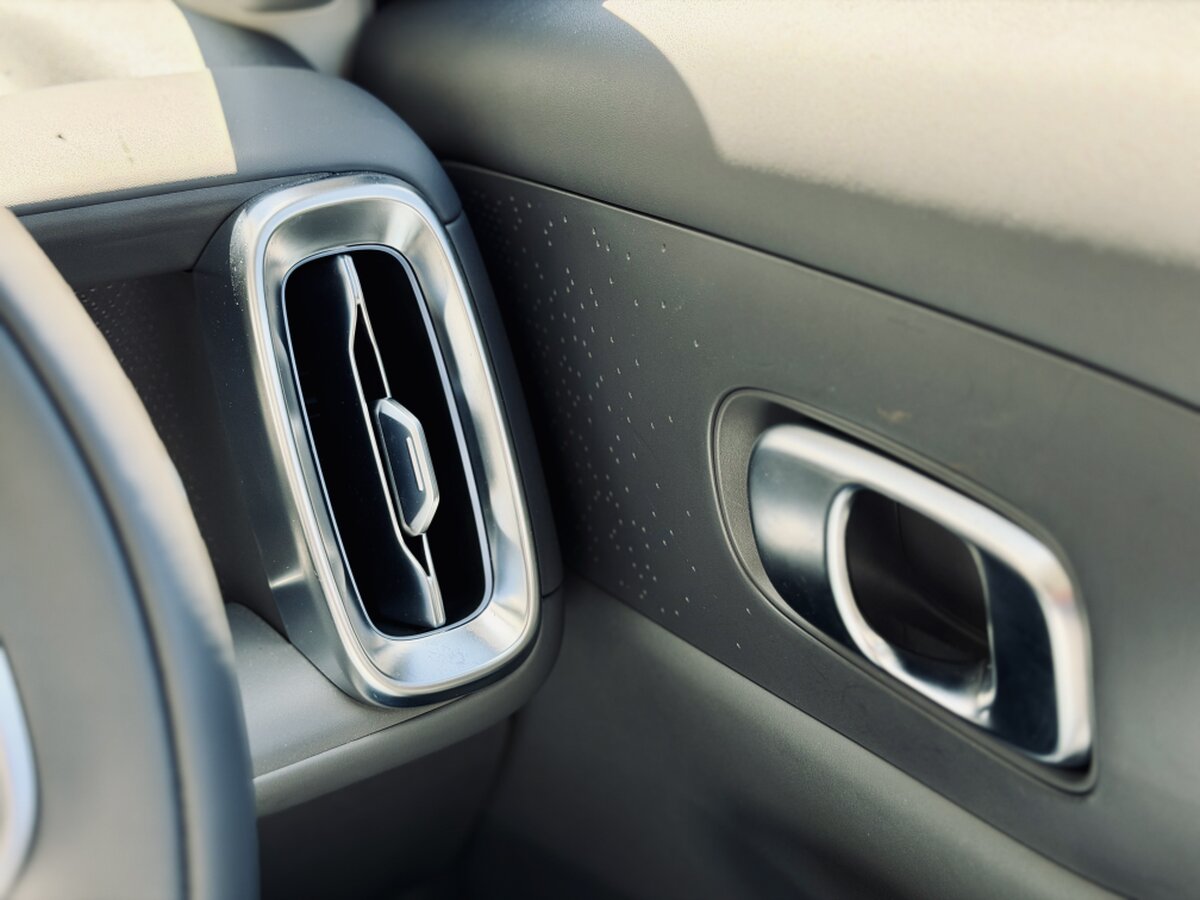
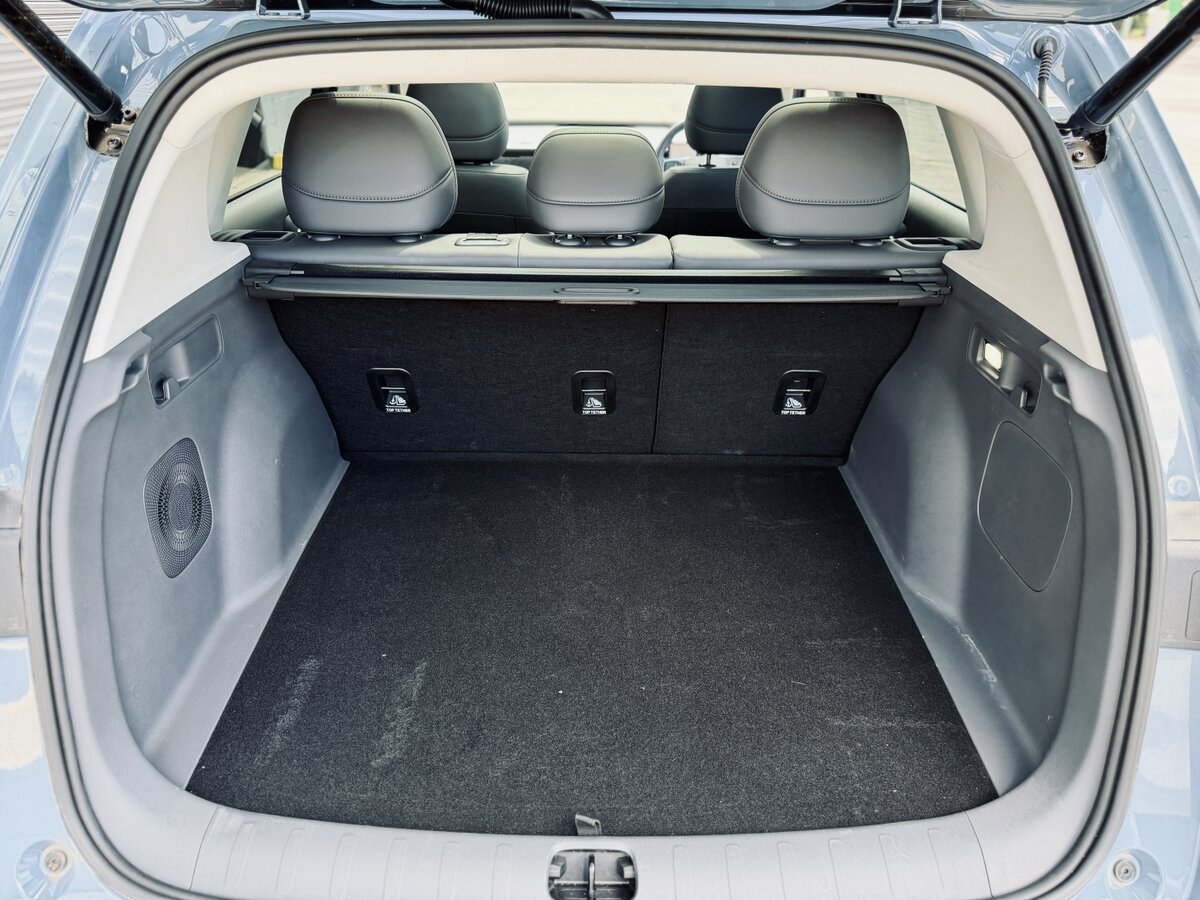
Inside, there's heaps of space, convincing imitation leather, heated and ventilated seats and ambient lighting that makes the air vents glow like the Millennium Falcon's afterburners. Most of it feels surprisingly good too.
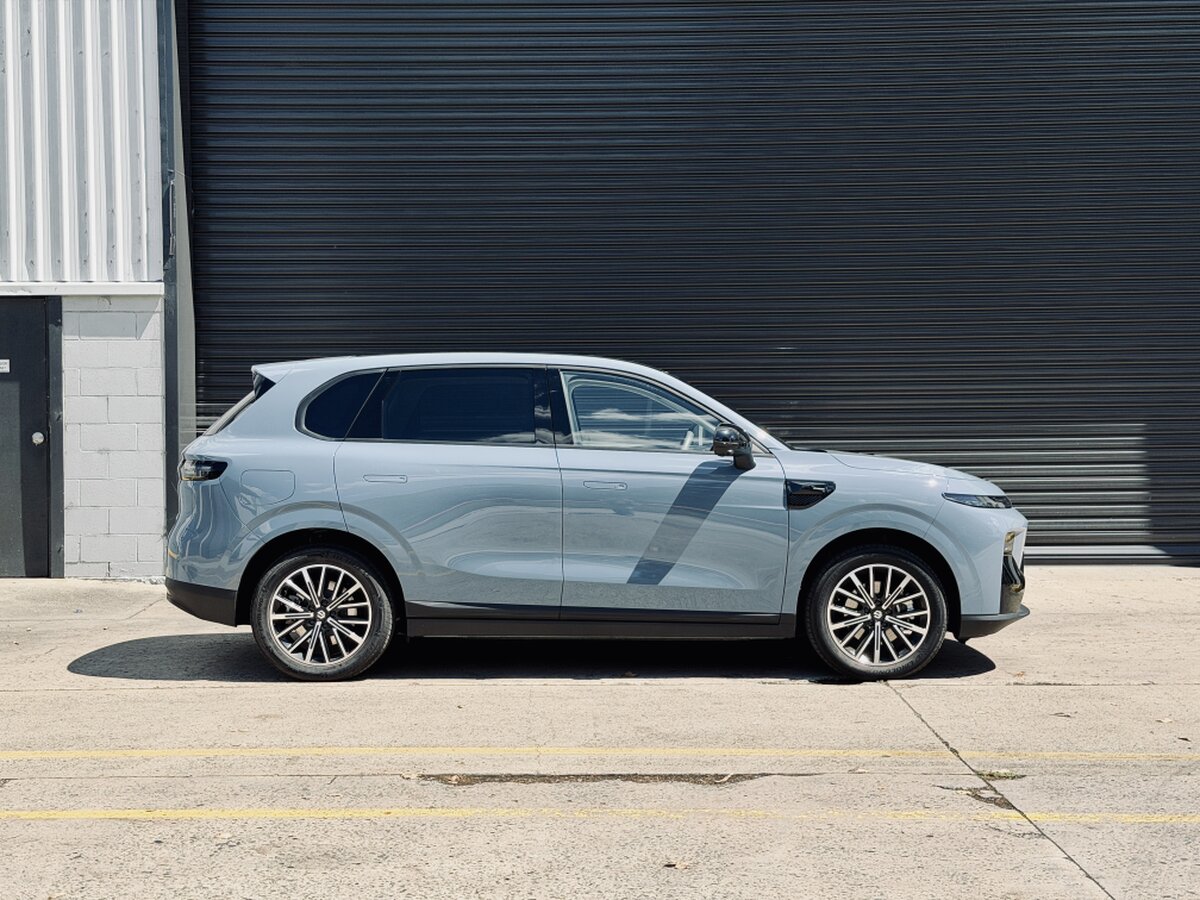
Outside, it's rather less exciting, if inoffensive. Like the designers simply asked AI to come up an SUV-shaped car.
A six-year/150,000km vehicle warranty and eight-year/160,000km battery warranty complete the package.
What's it actually like?
On the 250 km drive from Sydney to Canberra, the claimed 434 km range somehow evaporated to the point I arrived home with about 90 km remainaing. So it's on the optimistic side.
Still, unlike after making the same trip in its larger C10 sibling, I didn't immediately want to set it on fire.
The B10's driver-assistance systems are noticeably less obnoxious. They'll still chime at you for perceived wrongdoing and nudge the steering when you stray too close to a white line, but at least they're a bit quieter and more accurate about it.
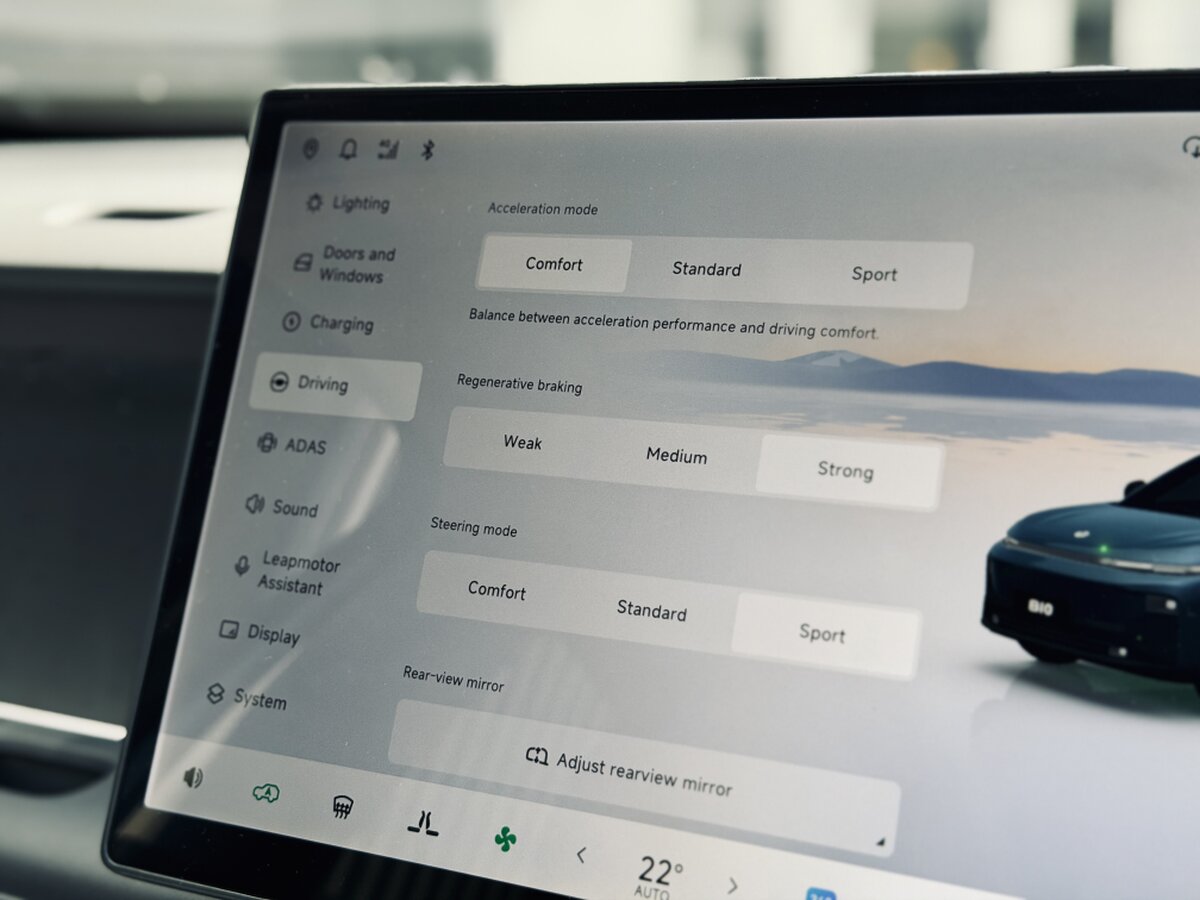
But I'll keep making this point until it sinks in: all car makers, including Leapmotor, should allow you to turn all this tech off and keep it off, without having to go through the settings every time you restart the car.
For instance, the "acceleration" setting would always default to "comfort" - when it was awkwardly slow to take off from roundabouts or traffic lights - rather than the "standard" setting I'd always change it to.
Swipe or scroll sideways · 7 images
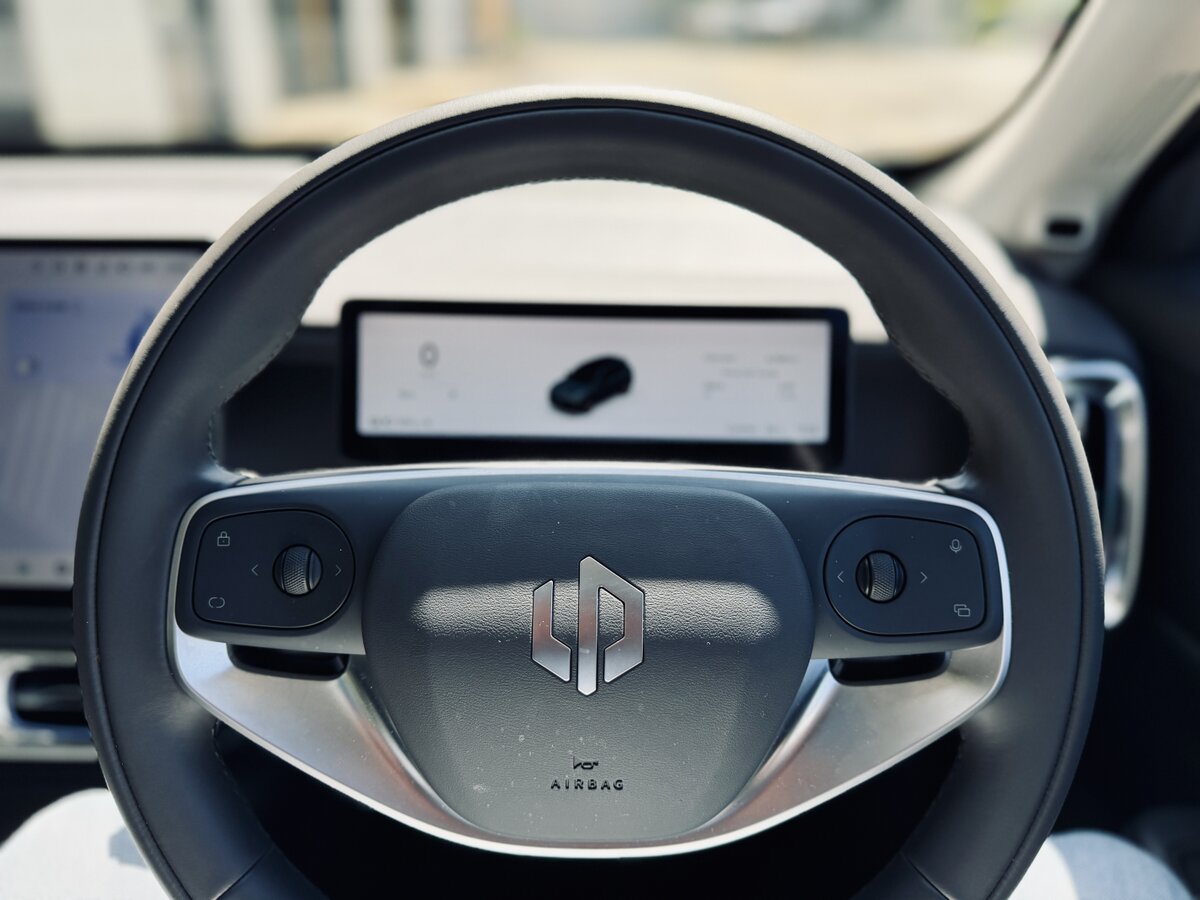
You could also make the usual complaint about everything being hard to find in the touchscreen. Certainly after my wife connected her phone to the car, the only way I could reconnect mine was to effectively turn the car off and on again (there was no "delete phone" option weirdly).
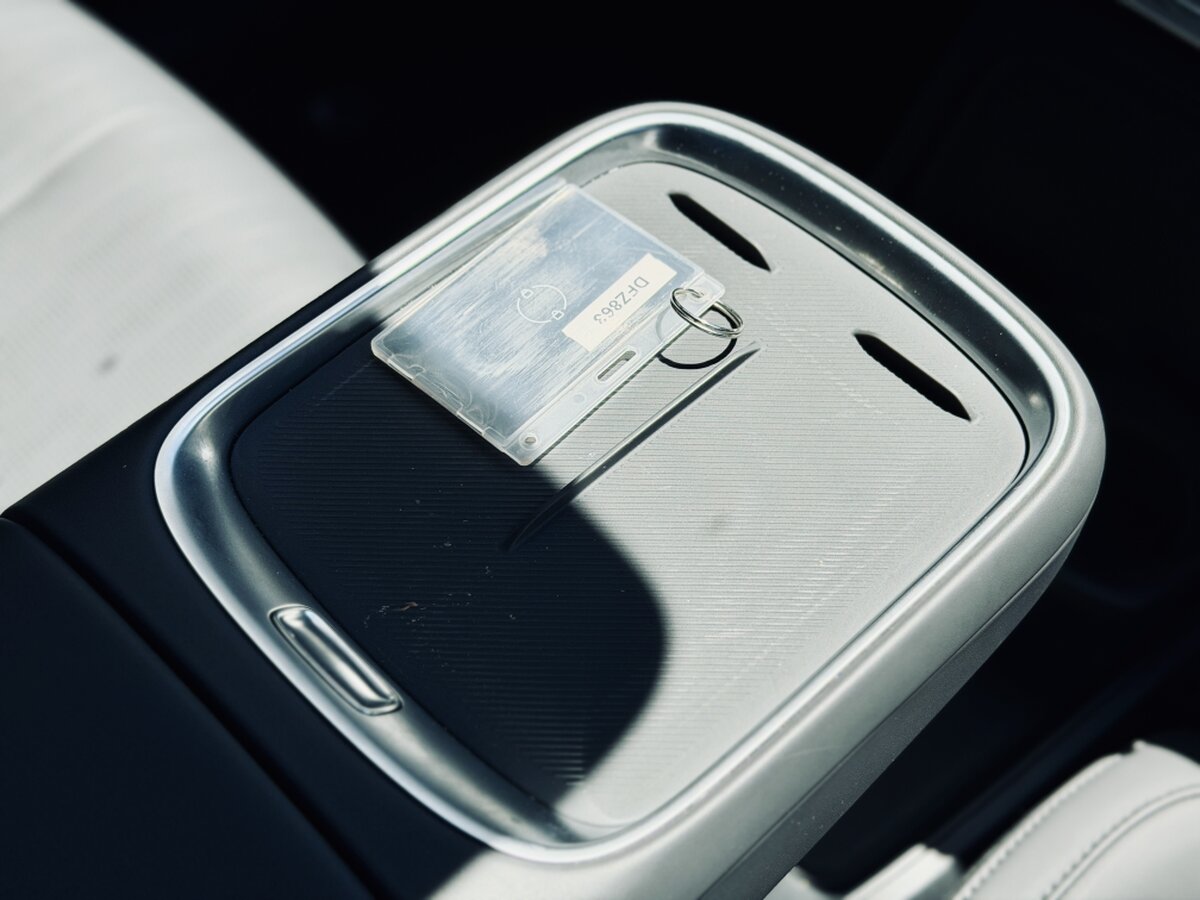
And the keycard? It occasionally refused to register on its interior receiving pad, leaving the car unwilling to start. Thankfully, you can also add this to your digital wallet and use your phone as a key.
But here's the surprise: the B10 is actually quite good to drive.
You're expecting the same anemic feel as every other Chinese SUV. And while the steering feels pretty vague, and a bit of wind and tyre noise makes its way in, its plentiful power and rear-wheel-drive nature does make it handle more naturally.
You wouldn't necessarily judge it through the seat of your pants as having suspension from an Italian exotic, but it certainly doesn't jiggle over bumps the way many EVs do too.
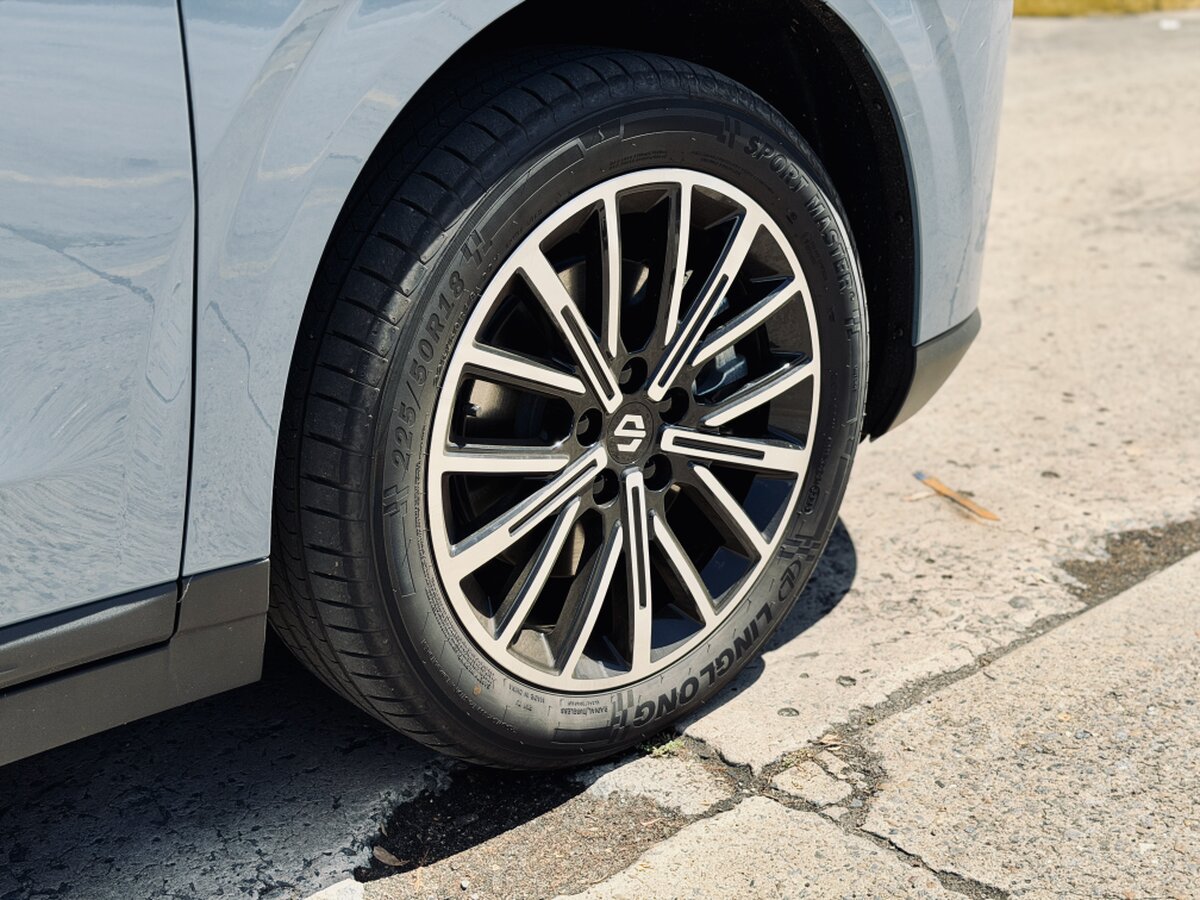
It disguises its roughly 1.8-tonne weight remarkably well, and for a cheap electric SUV, that's the best we can hope for. It's just a pity they had to put Linglong tyres on it (yes, that is the brand name).
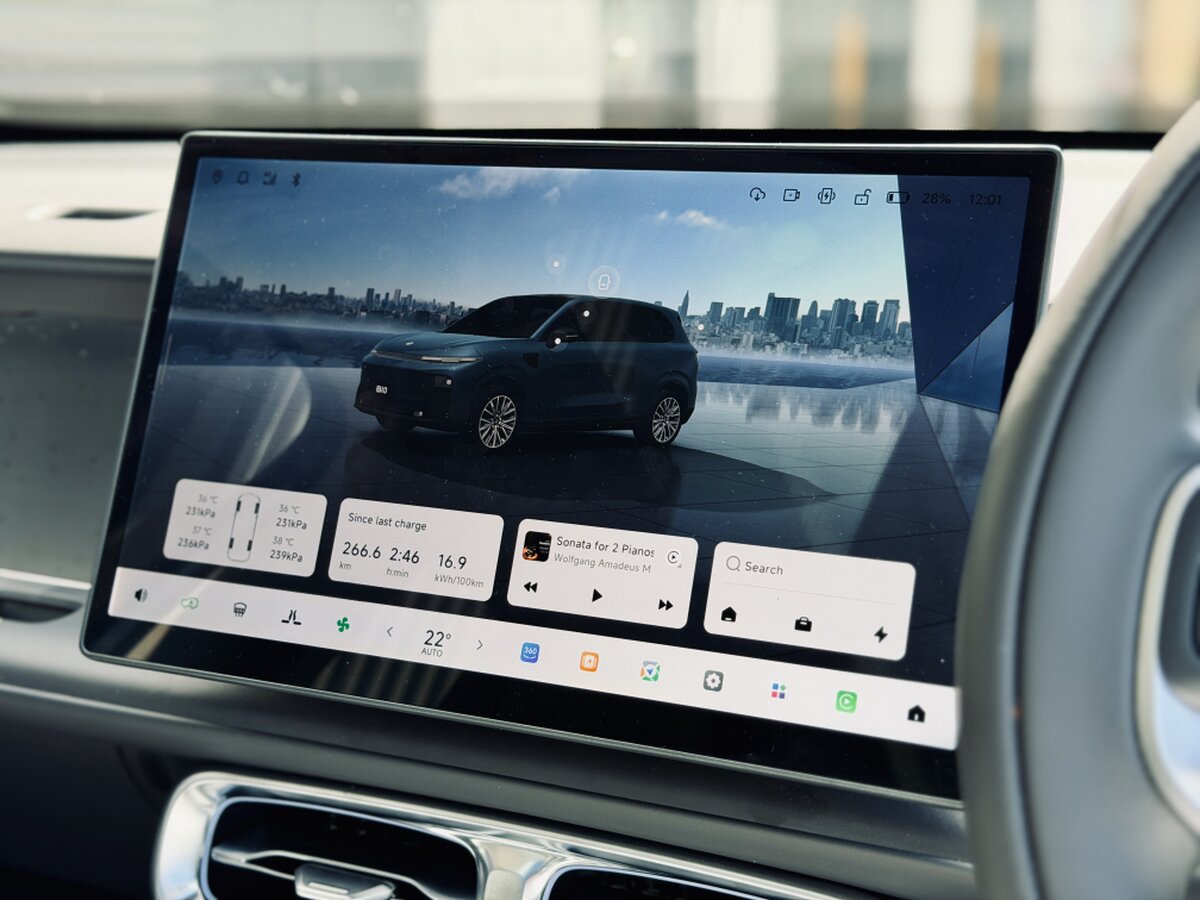
Pretty much the car's entire user-interface.
Should you buy one?
As with any Chinese car, the reason they're cheap is not only are they Chinese, but they're not likely to hold their value as strong as say, a Nissan or Mitsubishi (let alone a Toyota).
And here, I'm not sure the Stellantis connection exactly gives Leapmotor an edge (Thinking about buying a second-hand Jeep? Didn't think so.)
But there's an awful lot to sway buyers. It's spacious, comfortable, very generously equipped, and most surprising of all, genuinely pleasant to drive. Even if the ever-watchful safety tech keeps it from being a true driver's car.
So, if you are overwhelmed by the cornucopia of Chinese options that have been delivered to the table and just want some sweet and sour pork with tasty fried rice on the side, the Leapmotor could be it.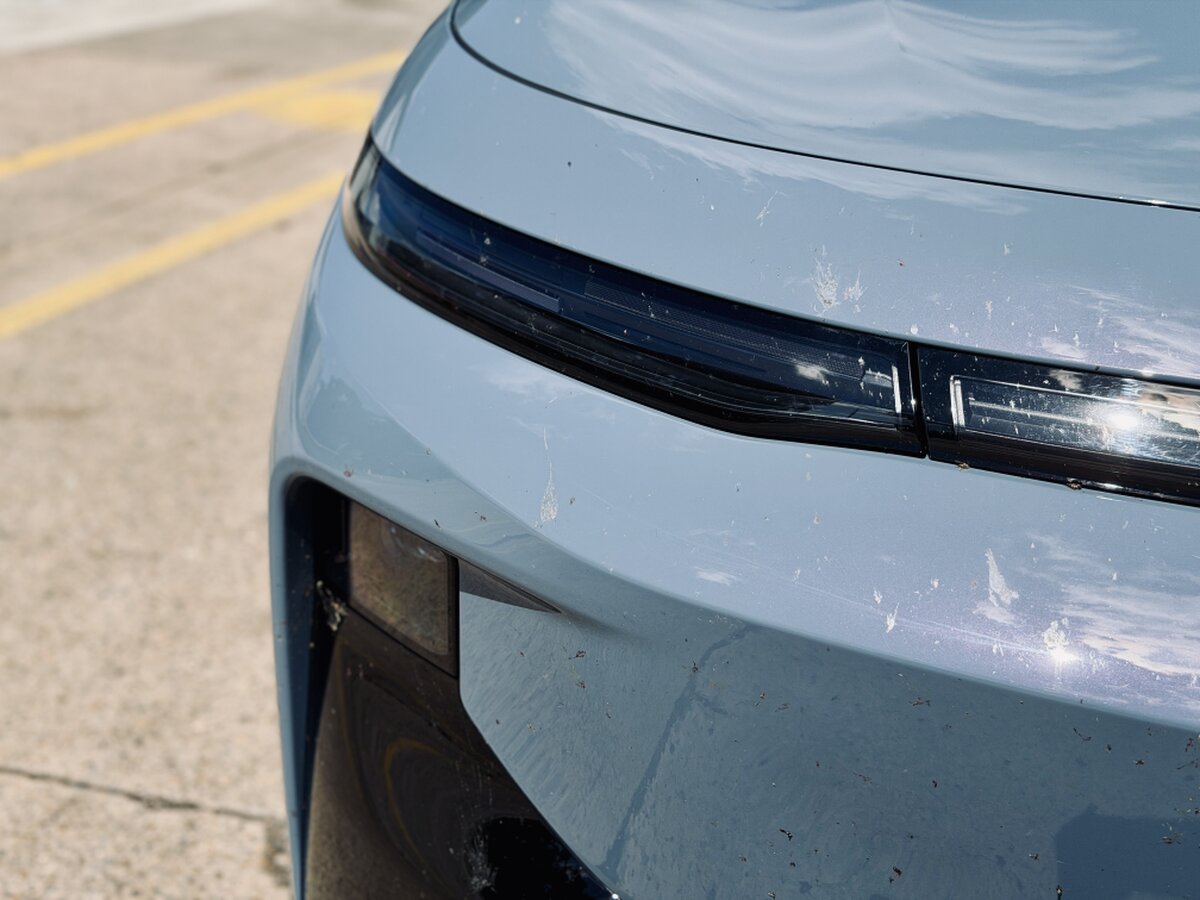
This, a BYD, Geely, or Chery?
At a glance
What we liked
Surprisingly good ride and handling
Spacious, well-equipped interior
Excellent value for money
What we didn't
Real-world range fell short
Frustrating touchscreen and keycard
Settings that won't stay put
Thanks to Stellantis Australia for providing this vehicle for testing. CARBIDS has no commercial arrangement with Stellantis Australia.
|
|