
{{item.Subject}}
Buyer Advice
Learn about events, happenings and more
Thinking of buying a car at auction? Read this first
Thursday, 15 October 2026 | James Coleman
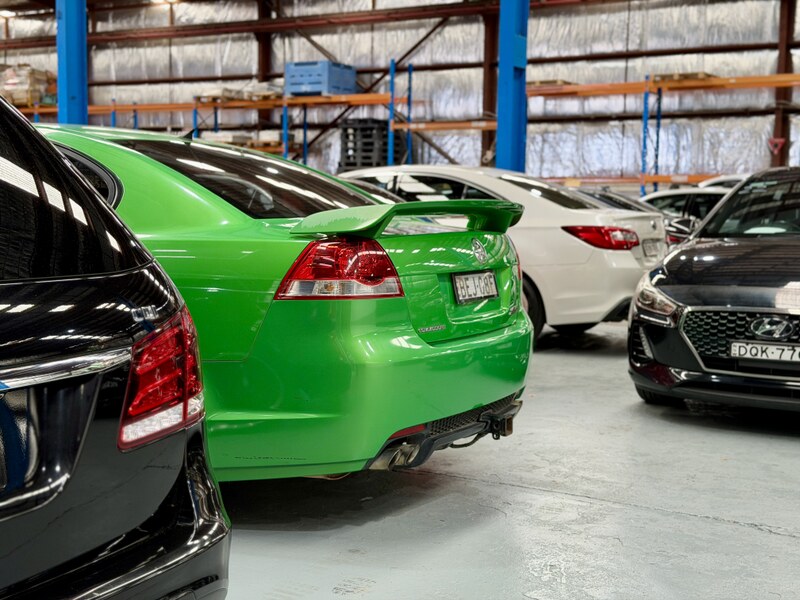
Thinking about buying a car at auction, but not entirely sure what you're getting yourself into?
Fair enough. Handing over your hard-earned money for a car you've never driven can seem a little daunting.
Which is exactly why we've tried to make buying through CARBIDS pretty straightforward. There are just a few things you should know before you start bidding, particularly about how we inspect our cars, what you're allowed to check yourself, and what happens when you win.
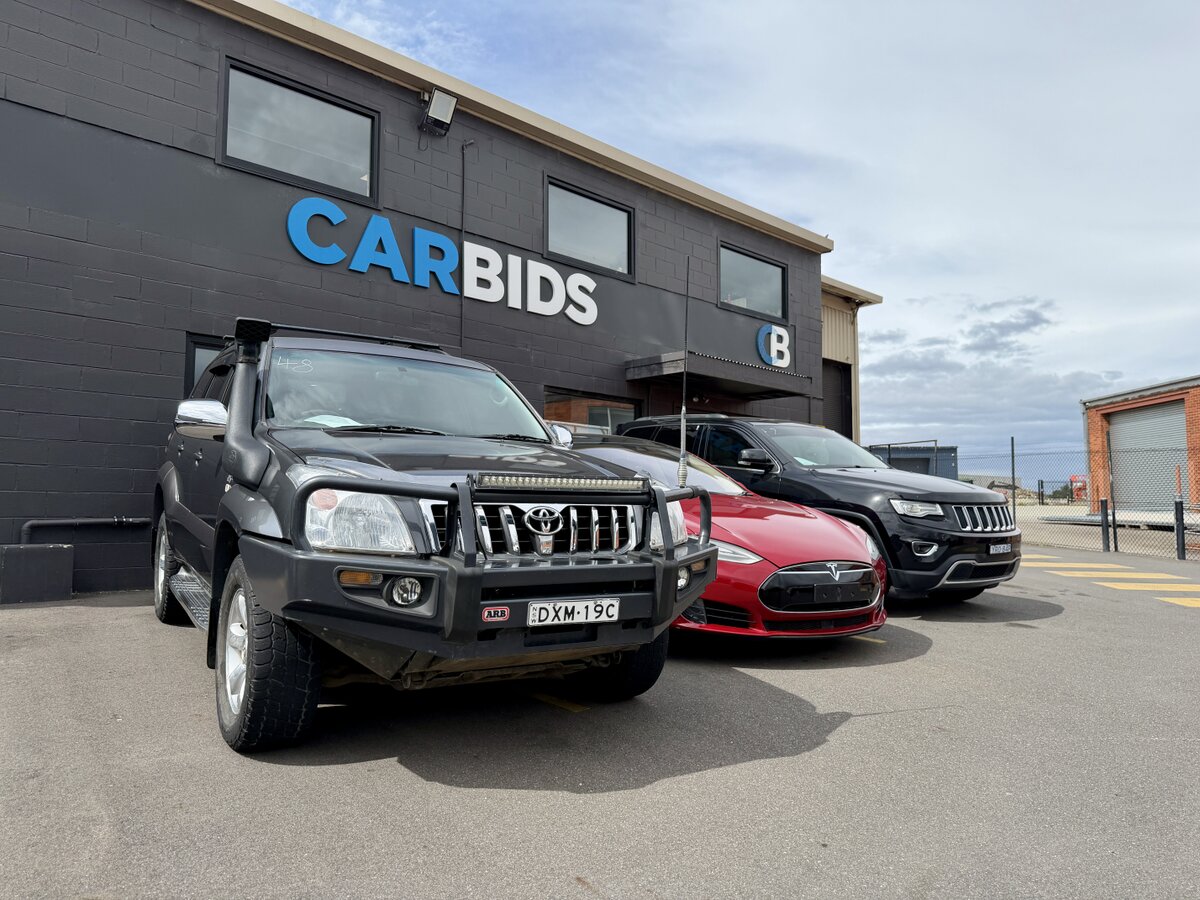
1. An auction isn't a dealership
The first thing to understand is that an auction house works a little differently from a car dealership.
We're a licensed motor vehicle dealer, but we don't generally own the cars we're selling. We're effectively the middleman, selling them on behalf of their owners.
This means cars sold through auction are generally offered 'as is'. Unlike buying a qualifying used car from a dealership, you don't get a statutory second-hand car warranty, and there's no cooling-off period once you've bought it.
That doesn't mean there are no rules, though.
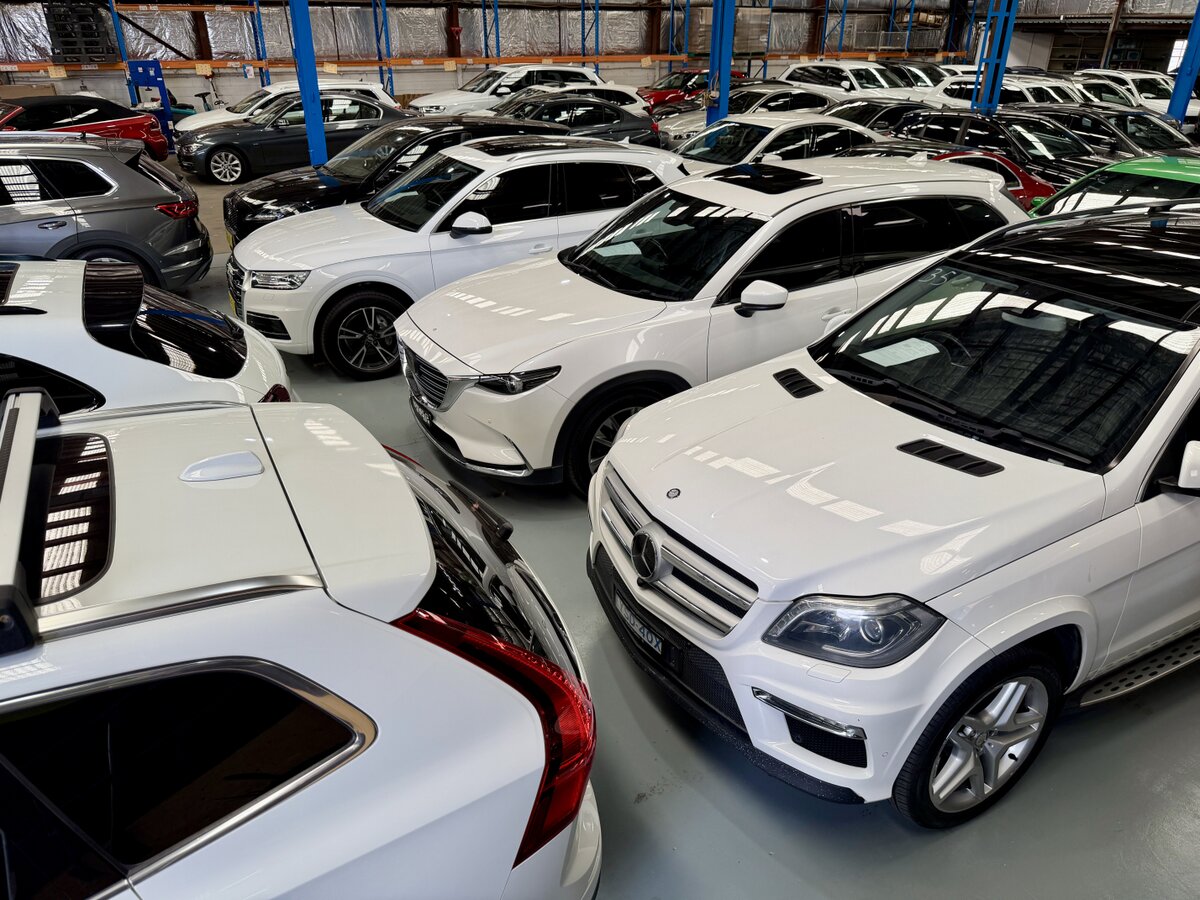
Australian Consumer Law still protects buyers in important ways. We're not allowed to make false or misleading claims about a car, and traditional auction purchases retain certain guarantees, including clear title, undisturbed possession and no undisclosed securities.
In other words, if a car has an obvious fault that we know about, we can't simply pretend it isn't there.
But equally, an auction isn't a promise that a car is mechanically perfect. There could be problems we haven't discovered, and repairs after purchase may be your responsibility.
Which is why it's important to know what you're bidding on.
2. What do we actually check?
Rest assured, we don't just snap a few photos of whatever comes up our driveway and stick it online.
Every car goes through a few checks before it's listed.
First is a PPSR search, using the car's Vehicle Identification Number (VIN).
PPSR stands for Personal Property Securities Register, a national government register that allows us to check whether a vehicle has any registered financial interest against it. The search can also show whether it's been reported stolen or written off.
It's a useful check, although it isn't a complete vehicle history report. It won't tell you how many owners the car has had, whether it's been serviced properly or how much money might still be owing on a loan.
You can also run your own PPSR search through the Australian Government website for just $2.
Next comes our inspection.
We're not qualified mechanics, but we do check each car for obvious red flags. Scratches, chips, dents, worn or torn upholstery, leaks, dashboard warning lights and any strange noises coming from the engine, transmission or suspension.
We'll also take it for a brief test drive where possible, checking how it starts, drives, steers and stops.
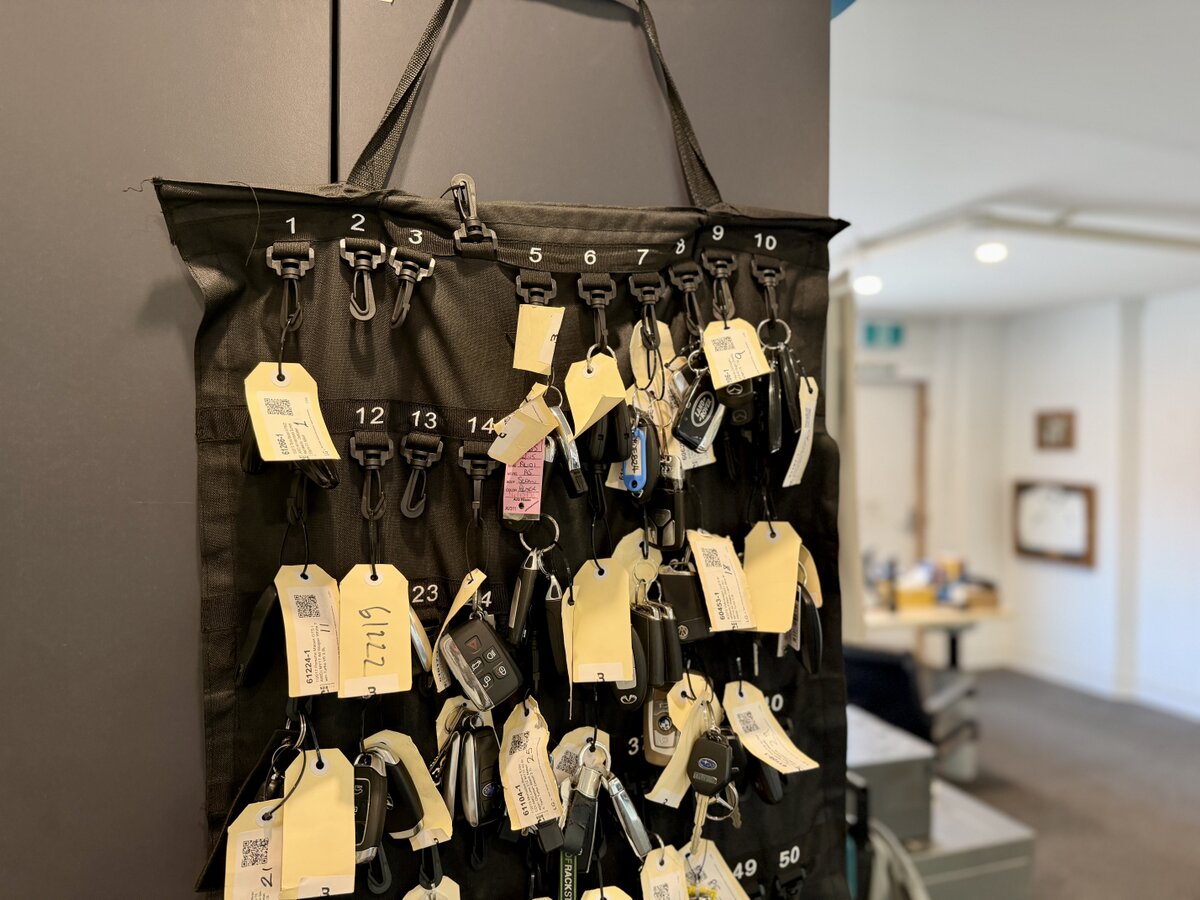
Anything we identify gets noted in the listing, along with photographs showing the car's condition.
But it's important to understand that this is a basic inspection, not a comprehensive mechanical assessment. We're not dismantling engines, checking every component or predicting what might fail six months down the track.
And if you're buying an older used car, there's always the possibility that something will need attention.
3. Come and have a look for yourself
We strongly encourage buyers to inspect cars before bidding.
You're welcome to visit our warehouses, look around the car, sit inside, start it up and try the various features. Bring a mechanically minded friend if you've got one.
Our Canberra warehouse is generally open for inspections from 9am to 5pm, Monday to Friday, and 9am to noon, Saturday. Sydney's Moorebank warehouse is generally open from 8am to 4pm, Monday to Friday.
Some cars and locations require an appointment, so check the listing before heading over. If one is needed, you'll find the contact details in the car's description.
For insurance reasons, we can't let buyers take cars for test drives, jack them up or start removing trim pieces.
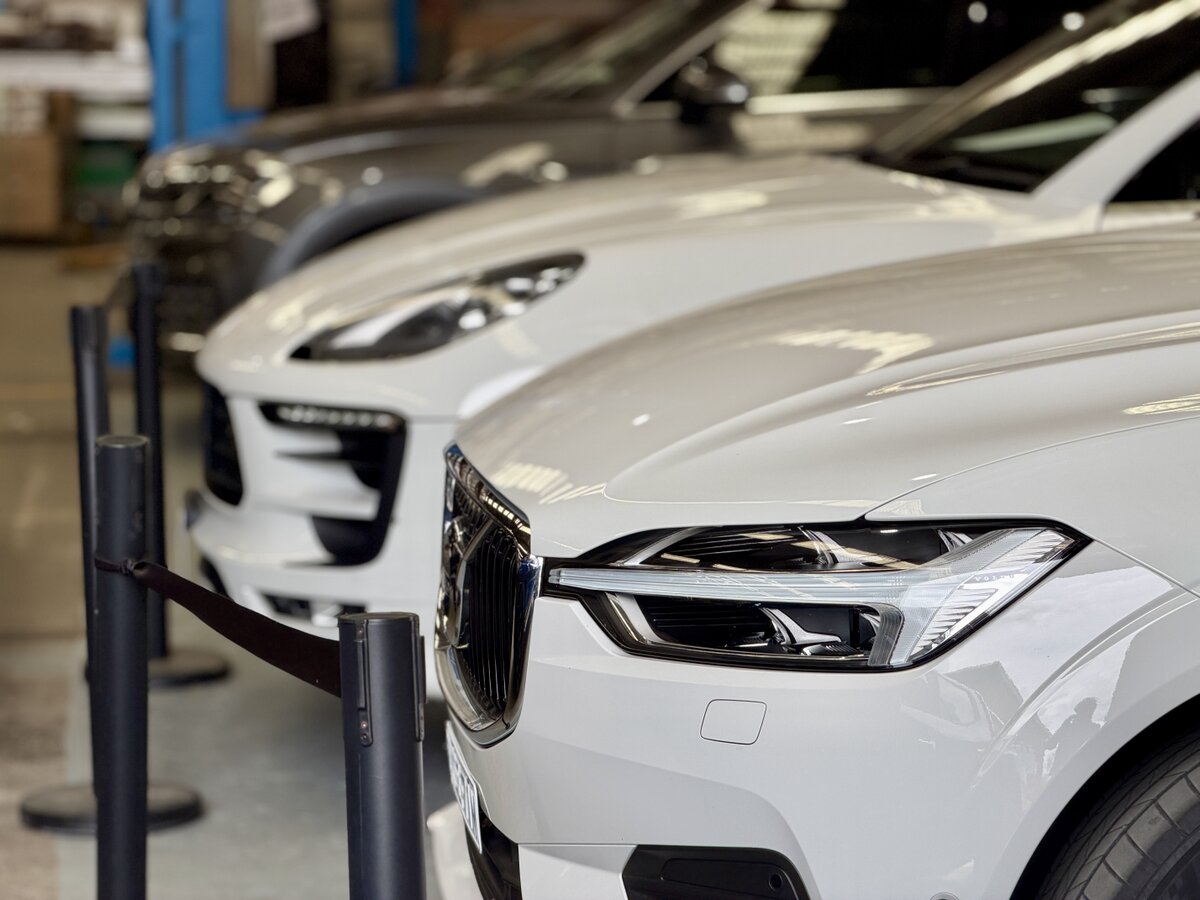
But you're also welcome to arrange an independent mechanical inspection. There are companies that will come to our warehouse, inspect the car on your behalf and send you a report with photographs. Basic inspections can cost around $130-$200, although prices vary depending on the vehicle and how thoroughly you want it checked.
And if you're unsure about something in the description, ask us. Our teams are happy to answer questions and provide clarification.
Once you're satisfied, work out your budget before bidding.
Remember, there's a buyer's premium added to the winning bid. It's commonly 12.5 per cent, although the rate can vary, so always check the individual listing. You'll also need to allow for registration, insurance, transport and any repairs or service items the car might need.
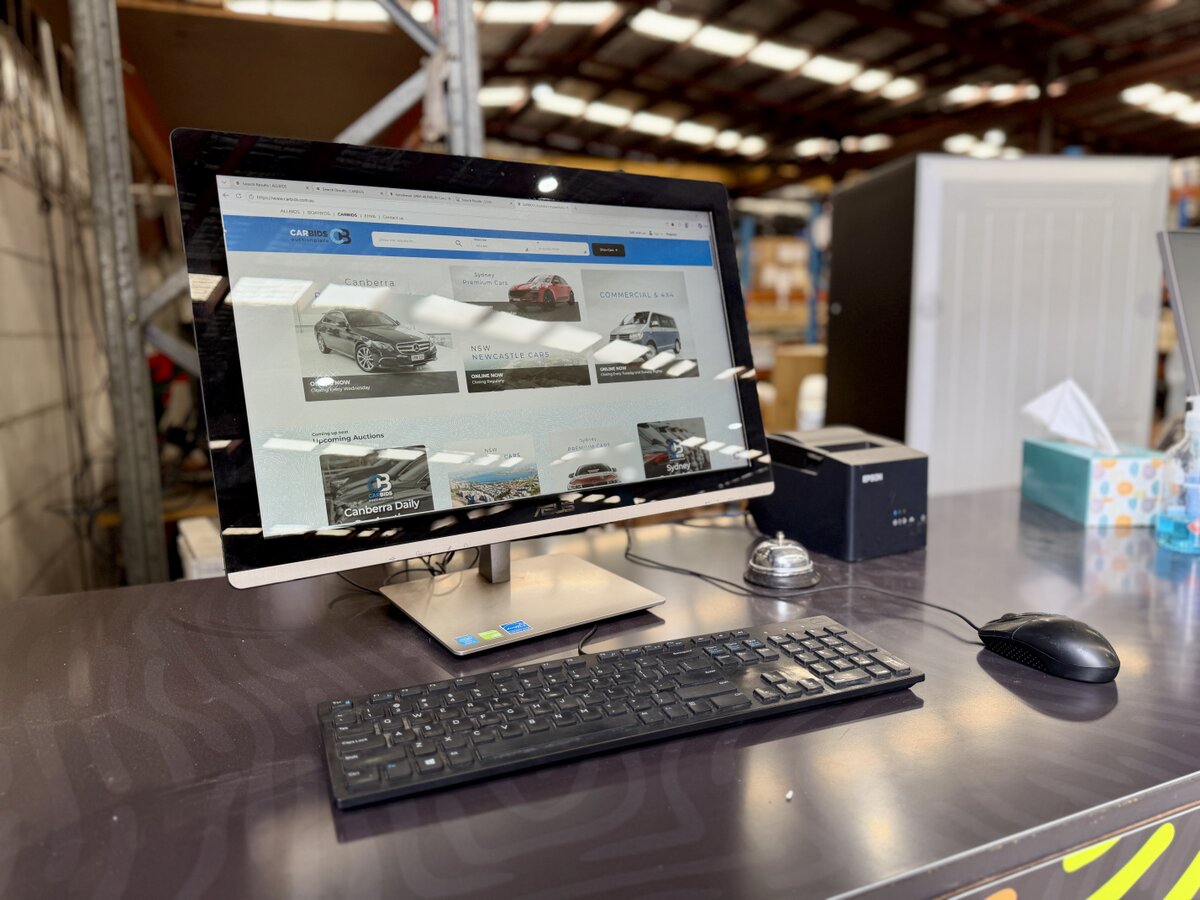
From 19 October 2026, there's also an additional $25 administration fee to cover our compliance costs - PPSR, notices of disposal, and other government obligations.
A bid is legally binding, and you generally can't change your mind after winning because you've spotted another car you like more. So make sure you do your homework, decide where you're going to stop, and preferably don't start bidding when you're three beers deep.
If you win, you'll generally have 72 hours to pay and arrange collection. You can collect the car yourself, or arrange for a vehicle transport company to collect it if you're interstate. CARWAYS is one option we recommend.
And that's about it. You've checked the description, inspected the car, worked out your budget and hopefully won yourself something rather nice. Now you can have that beer.
|
|