

{{item.Subject}}
Buying guide
Learn about events, happenings and more
The rise and fall … and rise again of the Mitsubishi Evo
Tuesday, 23 June 2026 | James Coleman
Forget capped-price servicing deals or branded beanies. Back in the '80s, car brands wooed buyers with one thing: absolute, unhinged motorsport domination.
A Formula One trophy was obviously the dream, but a close second was the brutal world of rallying.
And that’s exactly where one of motoring’s all-time icons was forged - the Mitsubishi Lancer Evolution.
A possible future classic? Almost certainly.
We've had two pristine examples come up for auction at CARBIDS, which makes now the perfect time to revisit the history of the Evo.
What made it such a hit? Which generation is best? And what models will go down in the market as the most sought-after?
Even if we still can't answer the question of whether there'll ever be a new Evo.
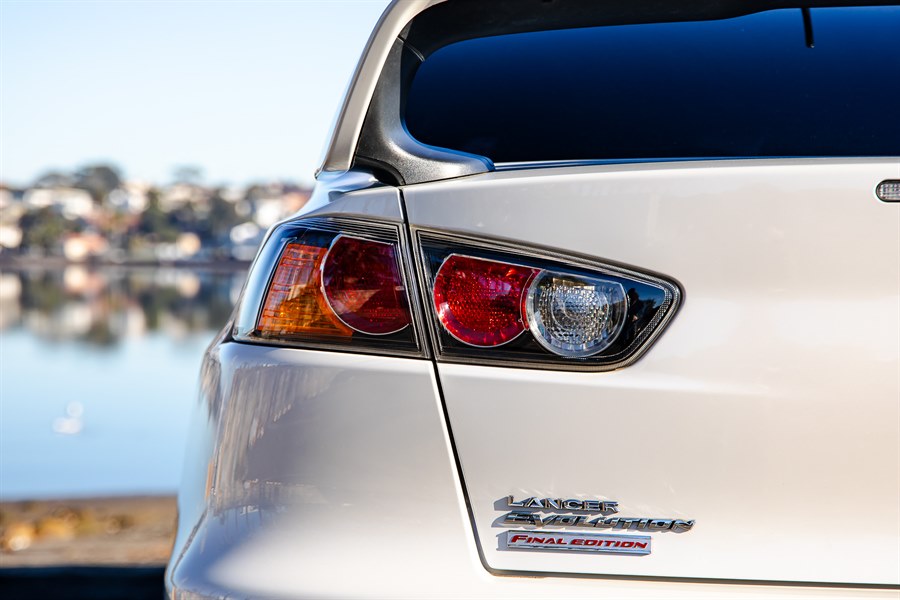
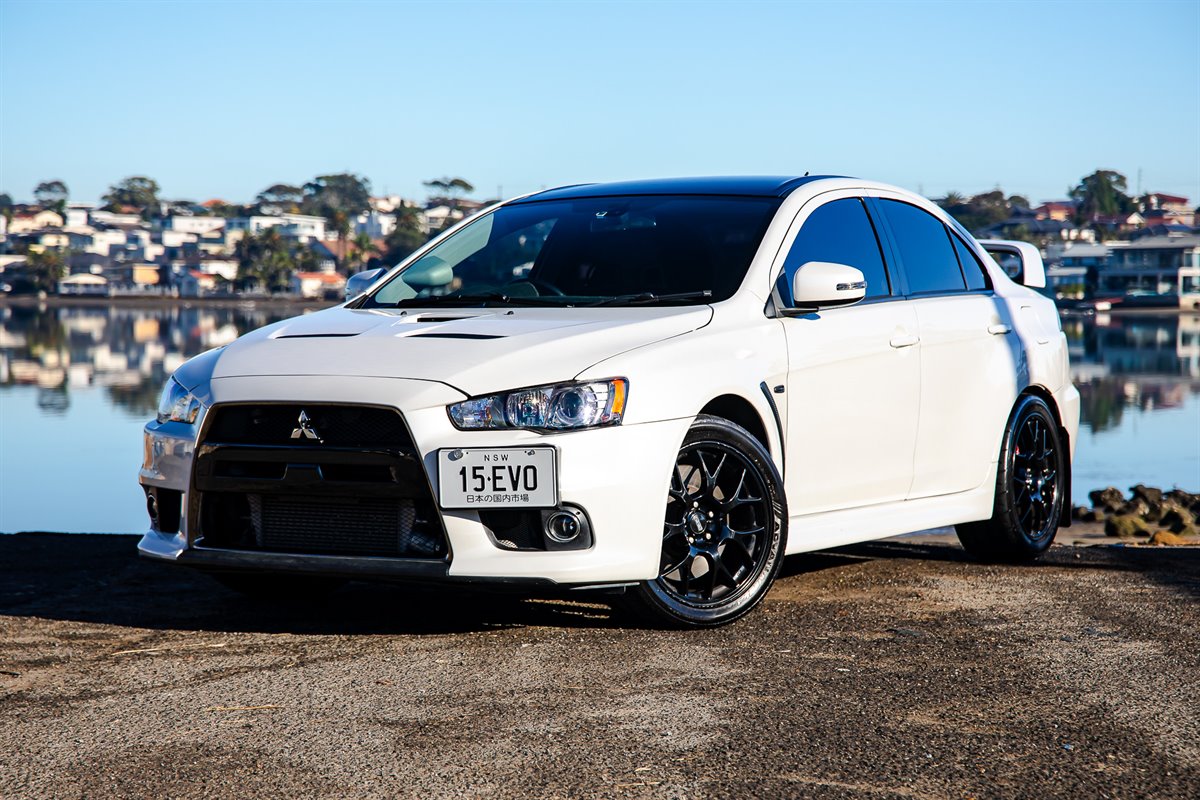 2015 Mitsubishi Lancer Evolution X Final Edition. Photo: CARBIDS.
The origin story
By the mid-1980s, Mitsubishi had already tasted success on the dirt in the East African Safari and the Paris-Dakar rallies, but the World Rally Championship (WRC) was the ultimate prize.
But their first weapon of choice was actually the larger, heavier sedan - Galant.
Under the bonnet, it hid a turbocharged 2.0-litre four-cylinder engine (code-named 4G63T) and an all-wheel-drive system.
But in the end, Mitsubishi realised the inevitable - wrestling that big thing around tight hairpins was a bit like trying to dance the tango in steel-capped boots.
So, in 1992, Mitsubishi’s engineers ripped the guts out of the Galant and crammed them into something smaller and lighter.
The Lancer Evolution was officially born.
In stripped-out, lightweight RS form - which did away with trivialities like sound deadening, power windows, and ABS brakes - it could hit 0 -100 km/h in 5.3 seconds, or faster than a contemporary Ferrari 348.
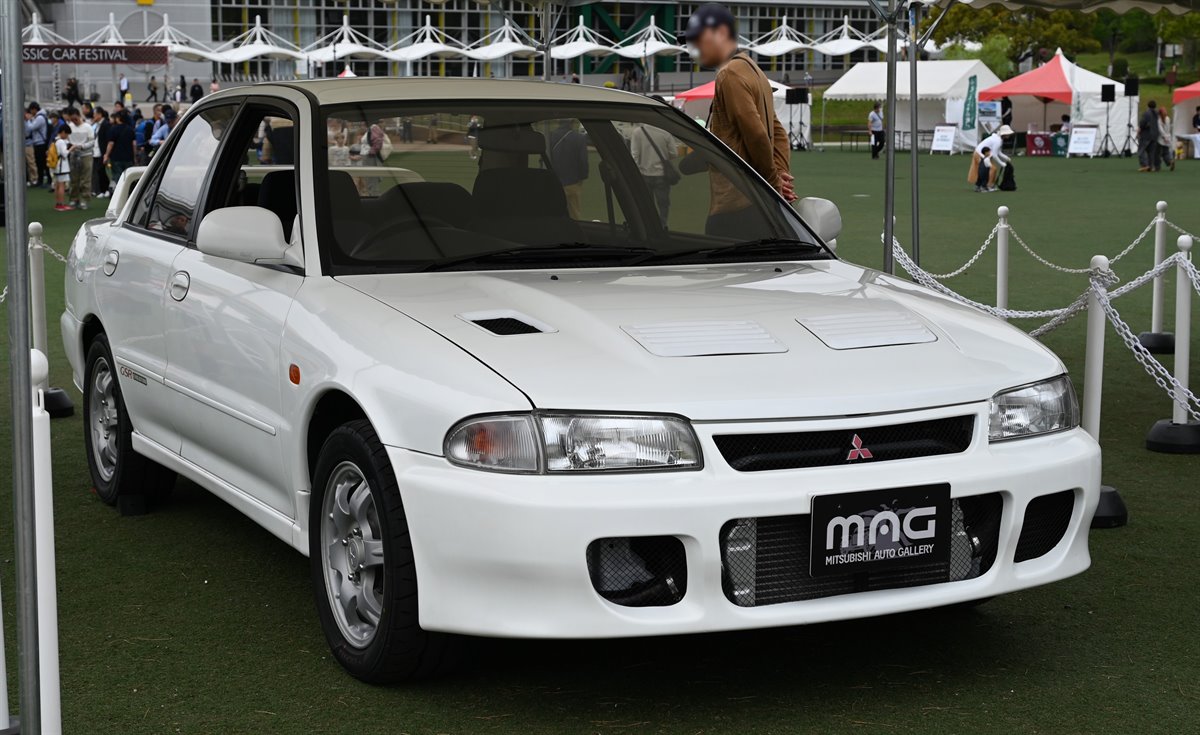 1992 Mitsubishi Lancer Evolution I GSR. Photo: Wikimedia Commons.
1992 Mitsubishi Lancer Evolution I GSR. Photo: Wikimedia Commons.
The glory years
Victory wasn't instant, however. The early Evos spent a bit of time playing second fiddle to their arch-nemeses, the Toyota Celica and Subaru Impreza. But by 1995, the Evo III secured the brand's first WRC trophy.
Then came flying Finnish driver Tommi Mäkinen. The pairing was so relentless, Mitsubishi blitzed four consecutive WRC driver's titles from 1996 to 1999.
The entire world was paying attention by this point, and sales began in other markets outside Japan. In Germany, it was sold under the fitting name of 'Carisma GT'.
Edits to the drivetrain trickled in too - a twin-scroll turbocharger, a limited-slip differential, a cleverer AWD system, and an ever-meaner body kit.
Mitsubishi was still so chuffed with their miracle Finn, they even launched a special Tommi Mäkinen Edition (TME) in 1999.
In May 2001, this also became the first Evo officially sold in Australia, albeit via just eight specialist dealers and with a borderline-obscene entry fee of $79,990.
Pop culture then did the rest, with the Evo starring in 2 Fast 2 Furious and Gran Turismo.
By 2006, the Evo IX dropped more weight with an aluminium roof and became the peak analogue driver’s car.
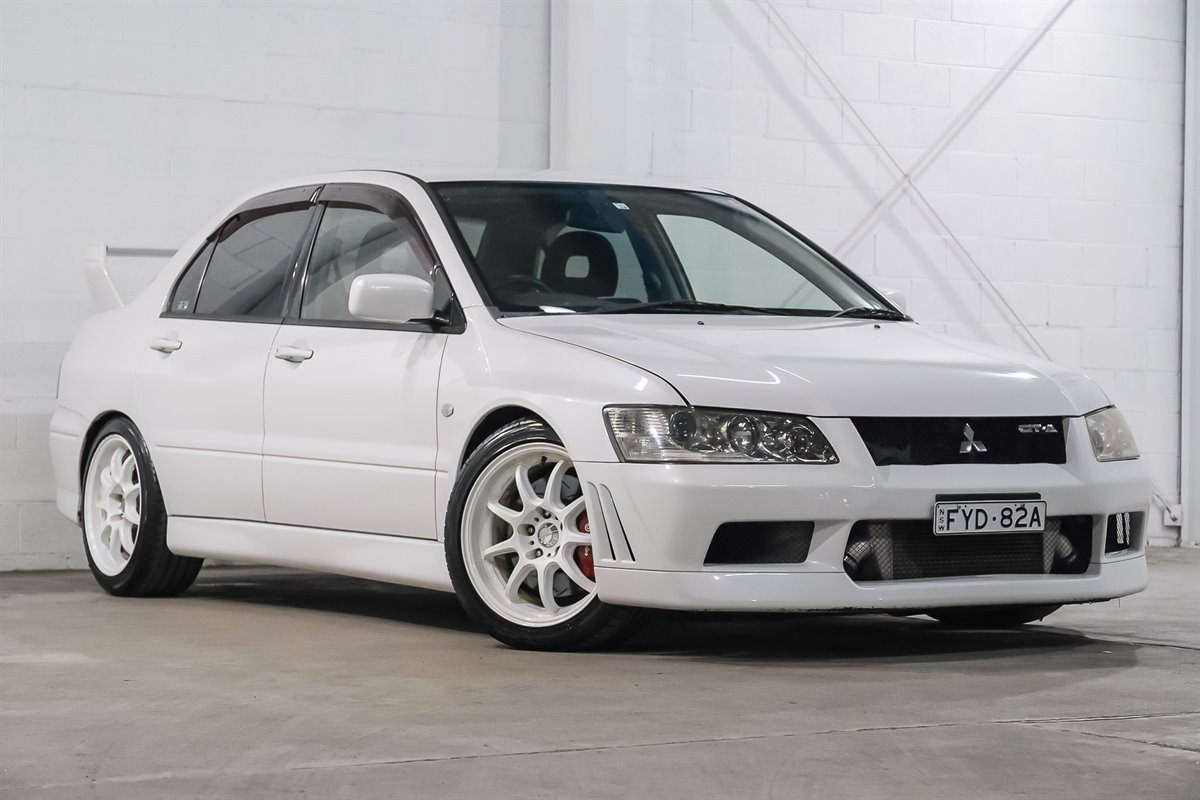 2002 Mitsubishi Lancer Evolution VII. Photo: CARBIDS.
2002 Mitsubishi Lancer Evolution VII. Photo: CARBIDS.
The end of the line
But the writing was on the wall. A year earlier in 2005, Mitsubishi pulled out of the WRC. Rallying wasn't the drawcard it once was. For more and more buyers, it was getting to the supermarket in an SUV.
So in April 2016, after 10 generations, the last Evo rolled off the production line - the Evolution X Final Edition.
Mitsubishi executives still like to tease an Evo badge revival, and essentially admit to doodling ideas on their napkins.
In lines reminiscent of Martin Luther King, Mitsubishi engineer Kaoru Sawase told a group of Aussie media at the 2025 Tokyo Motor Show, “we have a dream … for Lancer Evolution.”
“It's my personal dream ... We have a variety, a range of technologies on-hand,” he added.
But if it does ever happen, chances are it will be some sort of heavy, electric crossover. Which means, if you want the raw, neck-snapping experience, the used market is your final frontier.
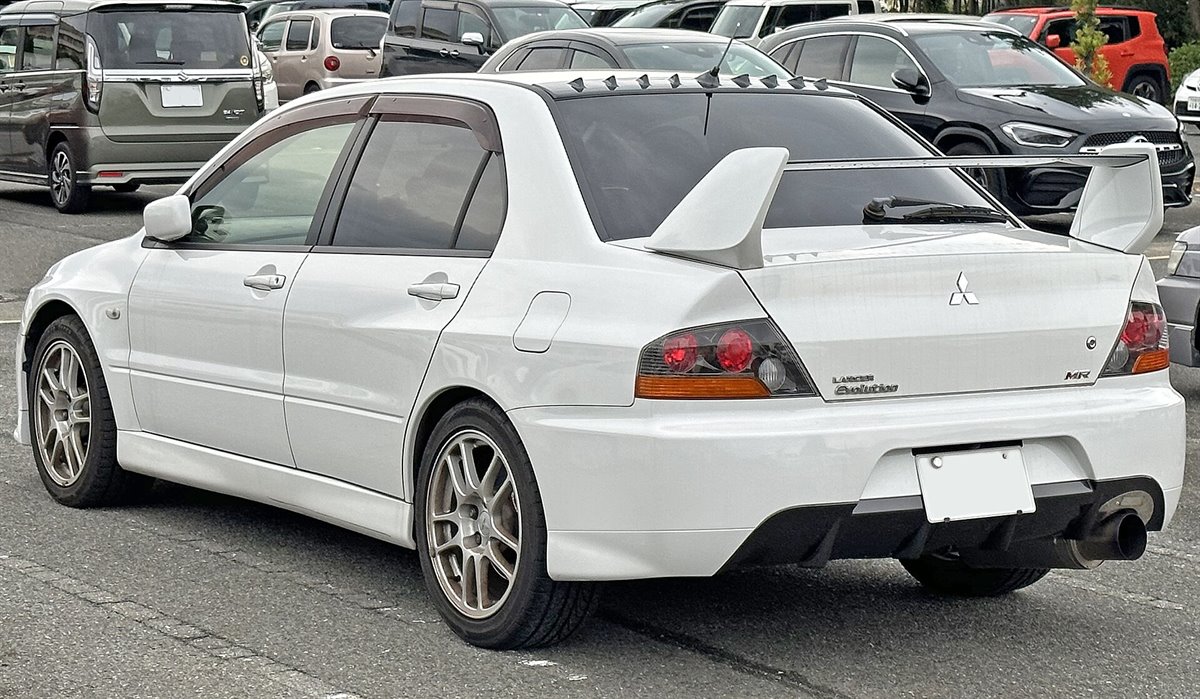 Mitsubishi Lancer Evolution IX GSR. Photo: Wikimedia Commons.
Mitsubishi Lancer Evolution IX GSR. Photo: Wikimedia Commons.
The collector’s verdict
But where should you park your cash?
The two currently online at CARBIDS are both Japanese imports, but fully approved to roar around Australian roads with NSW registration: a 2002 Evo VII GT-A (automatic) with 94,195 km, and a 2015 Evo X Final Edition with just 27,474 km.
ALLBIDS Group CEO Ben Hastings points out that the Evo X Final Edition is a massive contender for collectors.
"The Evo X definitely has a cult following," Hastings says. "And obviously, the final edition of anything is the most desirable."
However, purists will note the Evo X ditched the historic engine for a newer 4B11T unit. So Hastings actually expects the Evo IX to command the highest premium.
"Realistically, it's probably going to be special editions of the IX, particularly the FQ-360," Hastings says.
"They're just a phenomenally good car to drive. They're raw - as they were always designed to be."
Where to bid
- 2015 Mitsubishi Lancer Evolution X Final Edition (Closes Wednesday, 24 June)
- 2002 Mitsubishi Lancer Evolution VII GT-A (Closes Thursday, 25 June)
|
|