

{{item.Subject}}
Vehicle Spotlight
Learn about events, happenings and more
Jaguar has tried to reinvent itself before, but with one big difference
Wednesday, 14 October 2026 | James Coleman
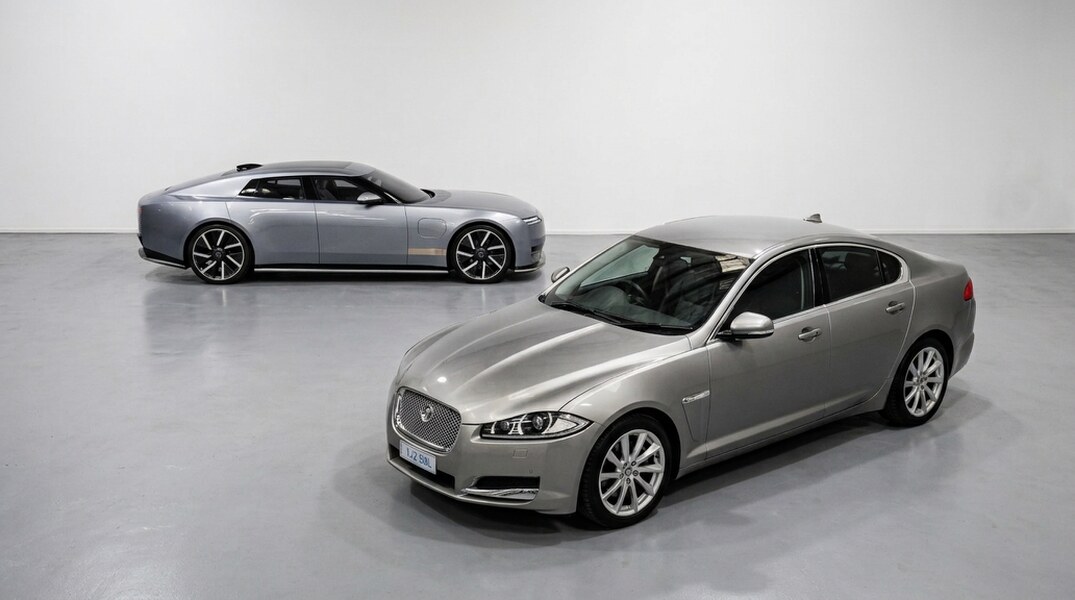
So it's officially real. That Jaguar concept car that had us all staggering around in equal parts disbelief and disgust? Well, Jaguar has revealed the version it's actually putting into production, and apart from the fact it now has four doors instead of two, not much else has changed.
It's 5.2 metres long, rides on 23-inch wheels and doesn't even have a conventional rear window. Jaguar calls the styling "exuberant modernism", which sounds like something you'd find on a plaque in an art gallery.
Underneath is an entirely new electric platform, with three motors producing up to 757kW and 1365Nm. It'll apparently reach 100km/h in 3.2 seconds, while its enormous 118kWh battery promises up to 720km of range.
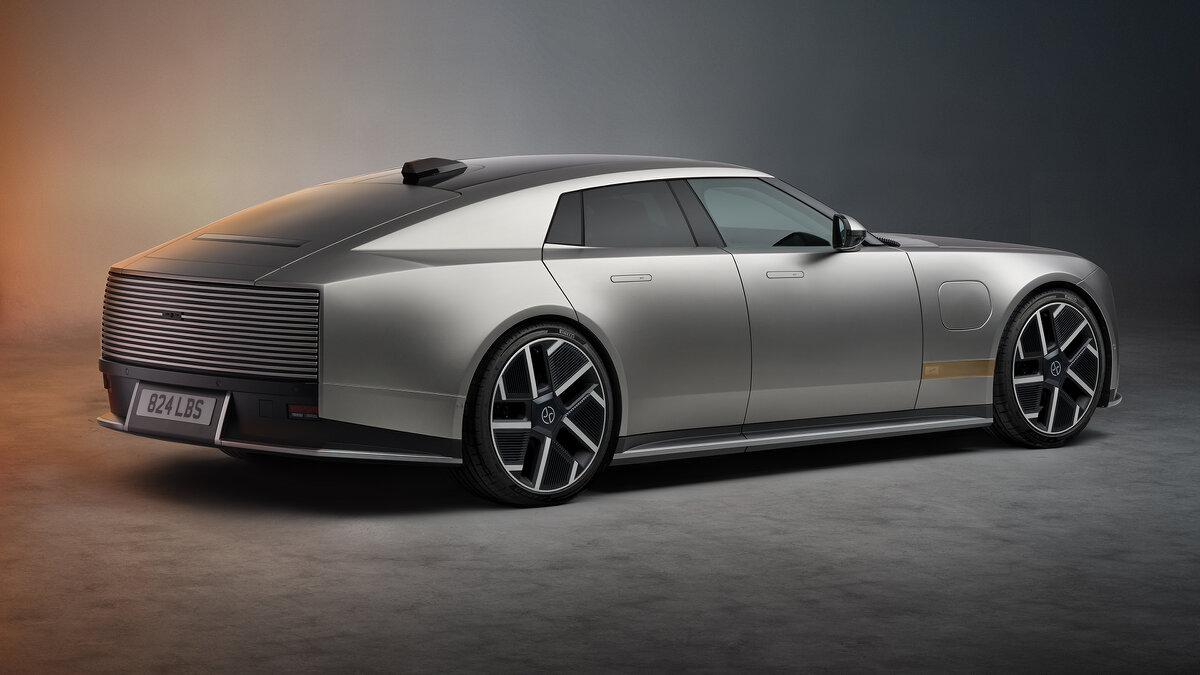
Yep, this is the production version of the next Jaguar. Photo: Jaguar Australia.
But key to the whole brand revival, Jaguar is no longer aiming for its usual German rivals, Audi, BMW and Mercedes-Benz. With a price of around $300,000, this is more the territory between Porsche and Bentley.
Jaguar managing director Rawdon Glover says the strategy is already attracting attention, with 80 per cent of prospective customers expressing interest in the Type 01 reportedly new to the brand. Probably not surprising when the car shares so little with any Jaguar before it - up to and including the logo.
But Jaguar has tried attracting a younger, entirely new audience before. And last time, it went about it in almost the opposite way.
When Jaguar escaped the retirement village
Back in the early 2000s, Jaguar was still heavily reliant on its old-fashioned S-Type, alongside the smaller X-Type and flagship XJ.
The S-Type tried to mimic the styling of Jaguars past, but underneath it was largely Ford hardware, sharing its basic platform with the Lincoln LS. Even its V6 engines had Ford connections, although the V8 was Jaguar's own design.
And buyers weren't exactly queuing around the block.
S-Type sales fell from roughly 53,500 globally in 2000 to just 11,505 in 2007.
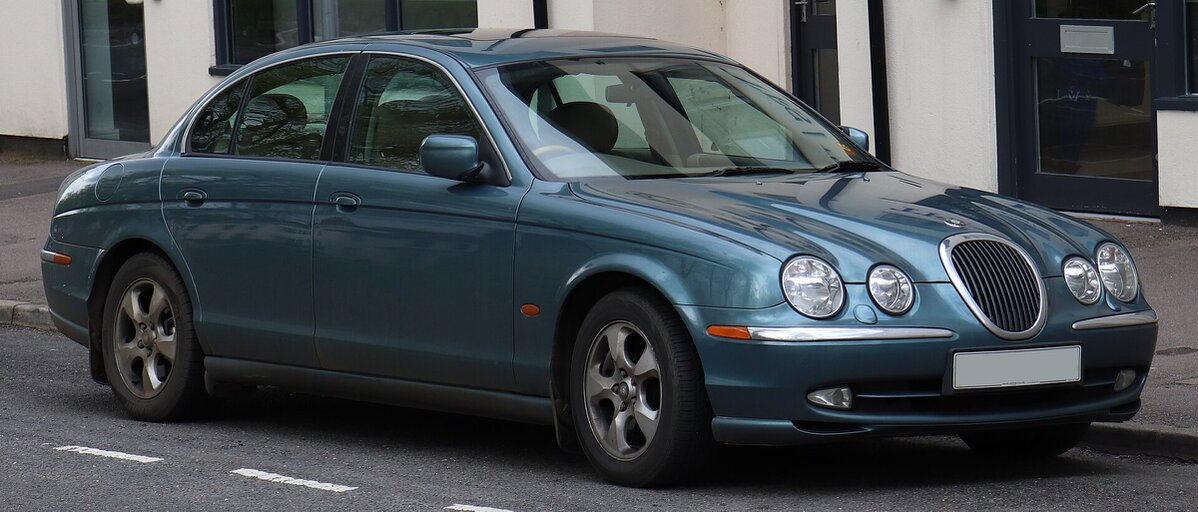
Jaguar S-Type was basically a Ford Thunderbird and Lincoln LS underneath. Photo: Wikimedia Commons.
By then, Ford wanted out. In 2008, it sold Jaguar and Land Rover to India's Tata Motors for US$2.3 billion.
Possibly unfortunate timing, as it turned out, because Ford had just left behind a parting gift that would become one of Jaguar's most successful modern cars.
Designed by Ian Callum - who stayed at Jaguar long enough to grace the world with the F-Type - the XF arrived in 2008 and marked a turning point. It ditched the mothballs and stuffy styling of the S-Type for a sleeker, more athletic shape reminiscent of its German rivals.
It was originally intended to use a bespoke aluminium platform, but Ford's time and money constraints meant a heavily reworked version of the S-Type's steel underpinnings was used instead.
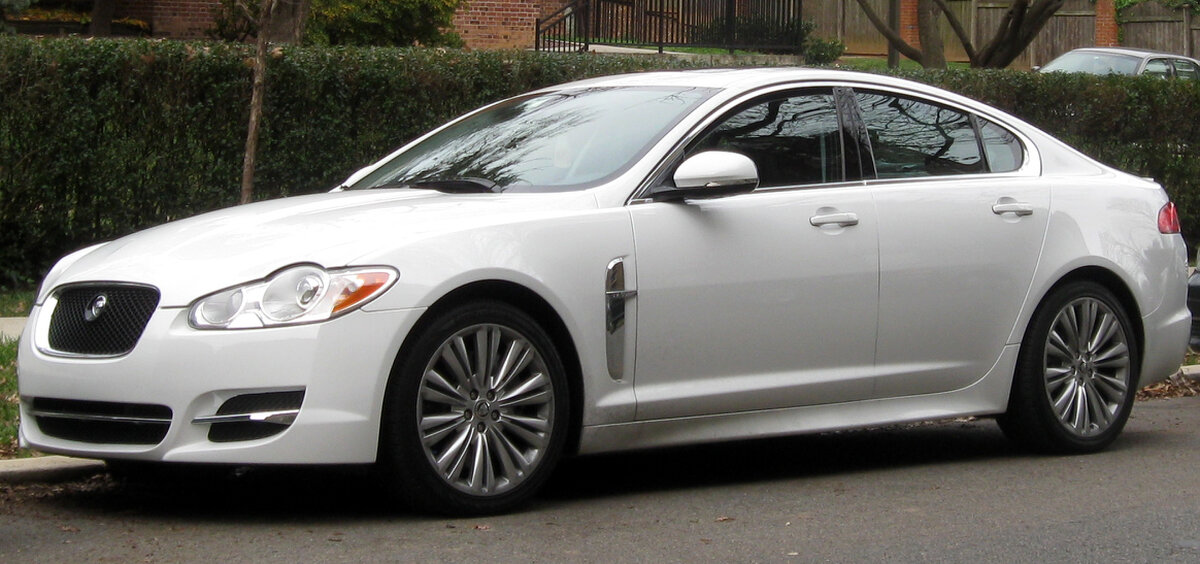
The Jaguar XF. Photo: Wikimedia Commons.
The engines had Ford connections too, particularly the later 2.0-litre turbocharged petrol four-cylinder, which even carried the EcoBoost name.
Automotive reviewers praised the XF as one of the best-handling executive sedans in its class. Although quite a few of those reviewers were British, and may have had ulterior motives about who ought to rule the roads again.
But it worked.
At its Australian launch, Jaguar said 77 per cent of early XF customers were new to the brand, while their median age was 44, compared with 57 for Jaguar's existing buyers.
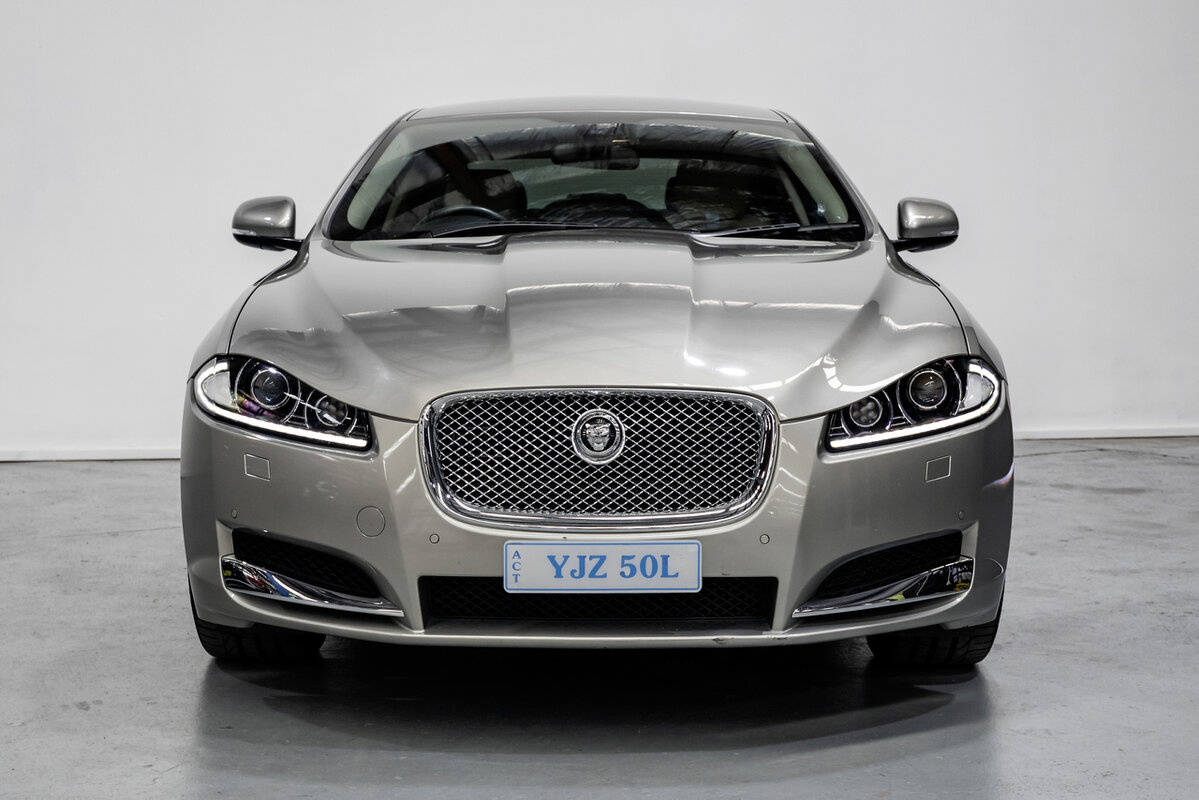
The XF after its 2011 facelift.
The problem with success
By the time the XF received its facelift in 2011 – thankfully losing those bug-eyed headlights – total production had passed 200,000 cars.
The smaller XE sedan followed, along with the F-Pace and E-Pace SUVs. And, of course, the rather lovely F-Type coupe and convertible.
Jaguar's global sales eventually peaked at around 180,000 vehicles in 2018. But all wasn't quite as it seemed, because at the same time, BMW was selling millions of cars a year and spreading its development costs across all of them. Jaguar's margins were considerably slimmer.
JLR’s CEO later admitted that Jaguar's volume-car lineup generated "close to zero profitability" and the brand was losing money on almost every sedan it built.
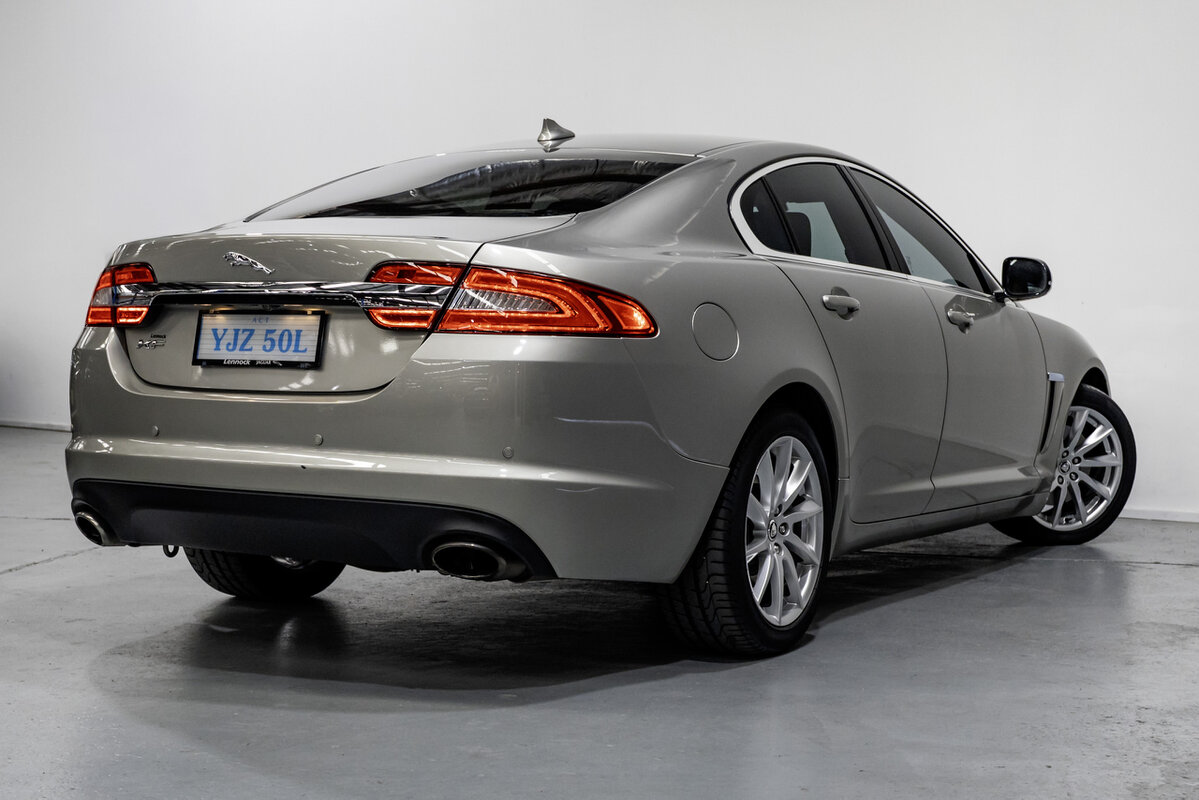
The XF was styled to look more like the Germans - very much unlike the new Type-01.
By 2024, global sales had dropped like a stone to just 67,000. Jaguar's diesel cars had the wind knocked out of them by Dieselgate, and its range sat largely untouched for years while the Germans constantly updated theirs.
Later that year, it was effectively all over. Jaguar pulled all of its cars from sale, and by April 2025, a comical 49 Jaguars were recorded sold across the whole of Europe.
Enter 2026, and an entire rebrand with a controversial video ad that doesn't even feature a car in it.
But it's clear, especially from the price, that Jaguar still has no plans to go after the Germans again with the Type-01. They're pursuing much fatter profit margins.
This time, Jaguar isn't trying to fit in at all
The XF succeeded by giving buyers something they already understood, just with a Jaguar badge on the bonnet. The Type 01 is asking them to spend $300,000 on something that looks unlike anything else on the road.
But regardless of what you think of the design, it is the talk of the internet - which is at least some form of marketing genius.
Jaguar’s chief creative officer, Gerry McGovern, said as much. He defended the design at Miami Art Week, stating that Jaguar has "no desire to be loved by everybody" and that true creativity must stir strong emotions.
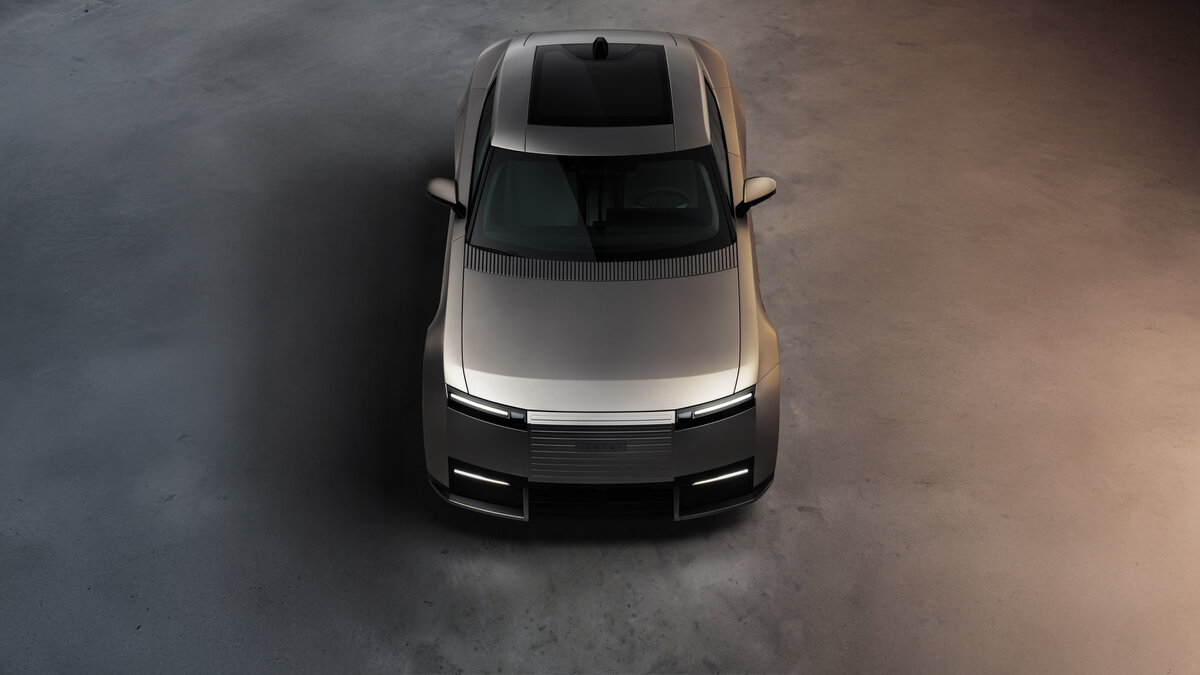
That face takes some getting used to. Or not.
The XF didn't draw quite the same heat, but it wasn't universally welcomed either. Some Jaguar traditionalists, still in tweed no doubt, disliked its departure from the familiar styling. Other reviewers questioned whether it looked sufficiently like a Jaguar.
As it turned out, they'd seen nothing.
In the meantime, if this month's news has you pining for the Jaguars of old, we have a 2013 Jaguar XF Luxury up for auction on CARBIDS, with bidding closing Wednesday, 14 October.
And if you've already got an XF, perhaps hang onto it. At least until we find out whether Jaguar's latest attempt to attract younger buyers works quite as well as the last one.
|
|