

{{item.Subject}}
New car review
Learn about events, happenings and more
Audi has reinvented the indicator switch, and it makes a lot of sense
Friday, 31 July 2026 | James Coleman
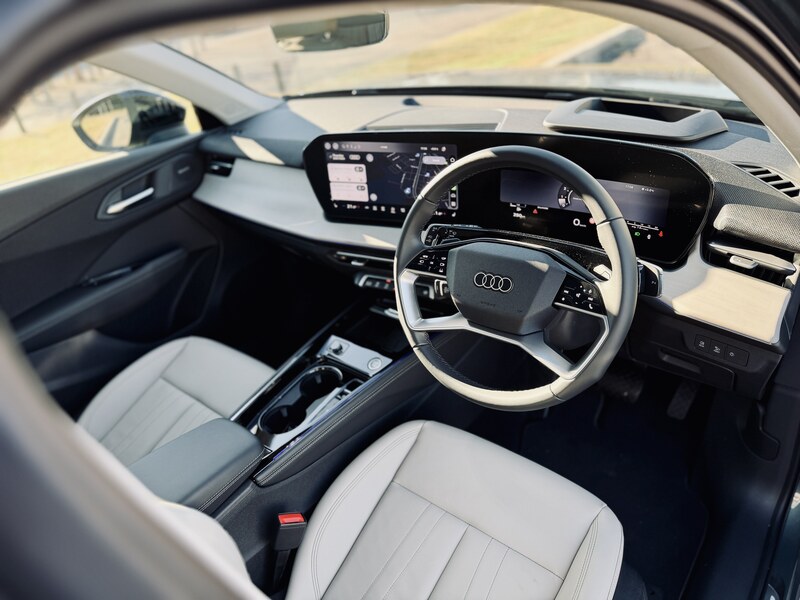
Some things are not broke, so there ain't no point fixing them. Round steering wheels. Physical buttons for the glove box. Or - and the Hyundai from last week’s review can pay attention here - screens in front of the driver.
I’d always considered the indicator stalk off-limits too. Set in stone. Behind glass. Especially after experiencing the Tesla Model 3’s stupid steering-wheel indicator buttons that were never where you expected them to be.
But Audi has shown us another way - a better way, even.
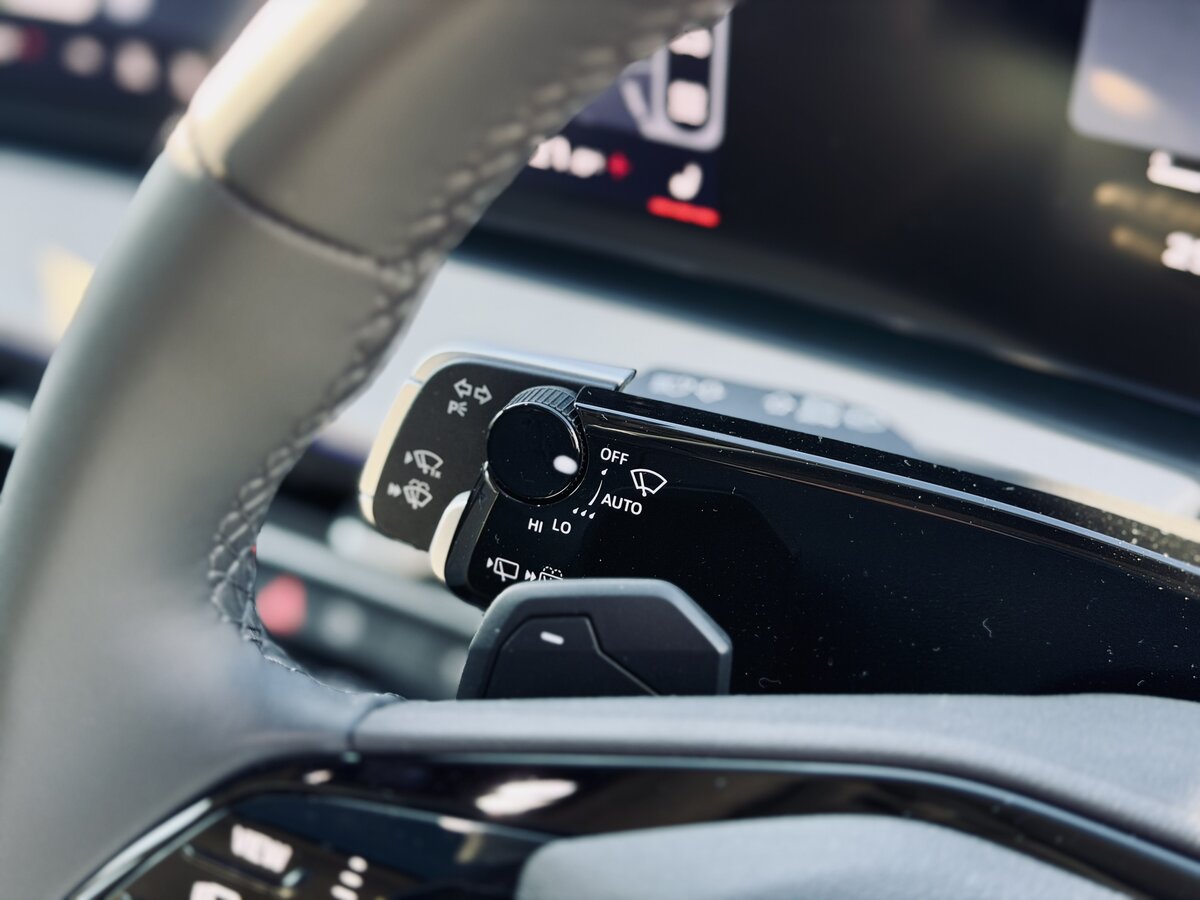
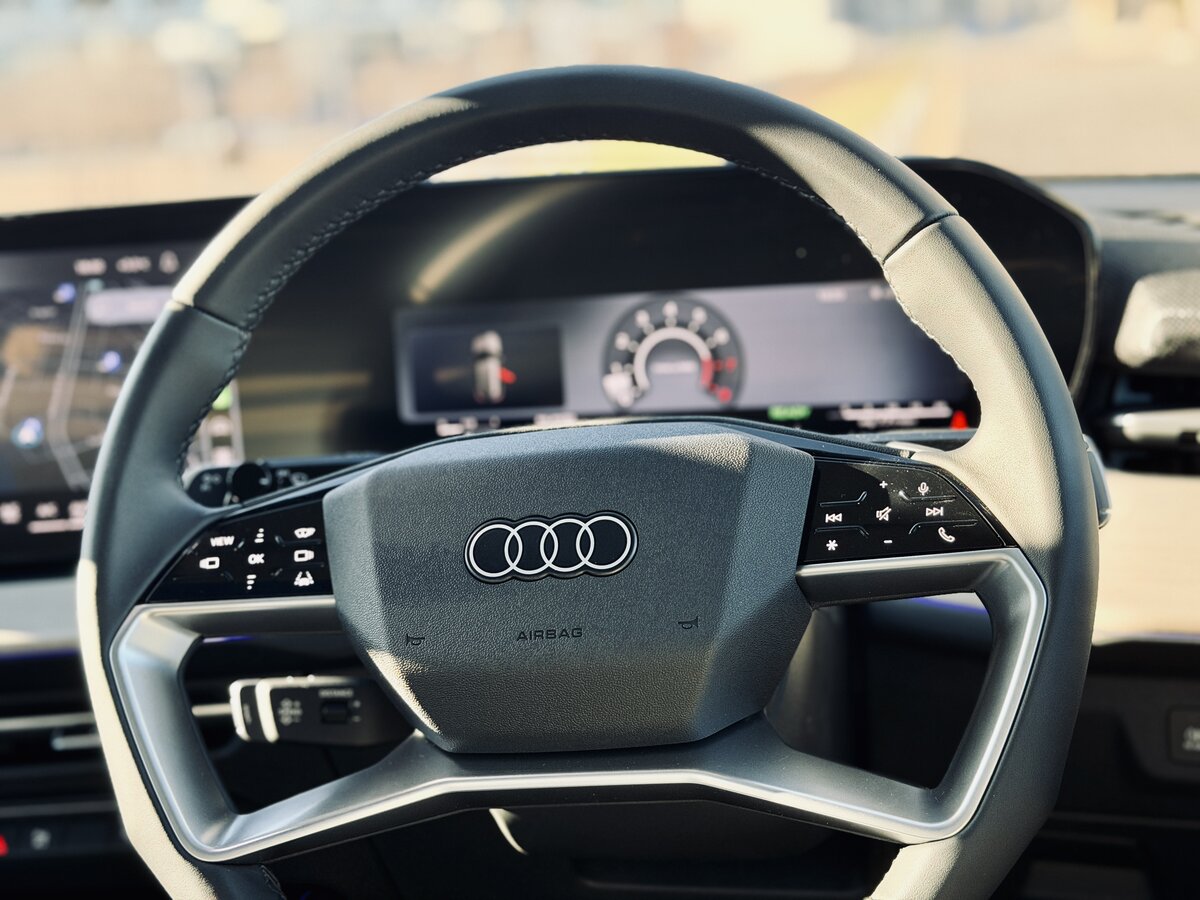
Its new 2026 Q3 SUV swaps traditional column stalks for a wide plastic arc atop the steering column - on the right, a switch for changing gears, and to the left, a switch and a little dial for indicating and using wipers.
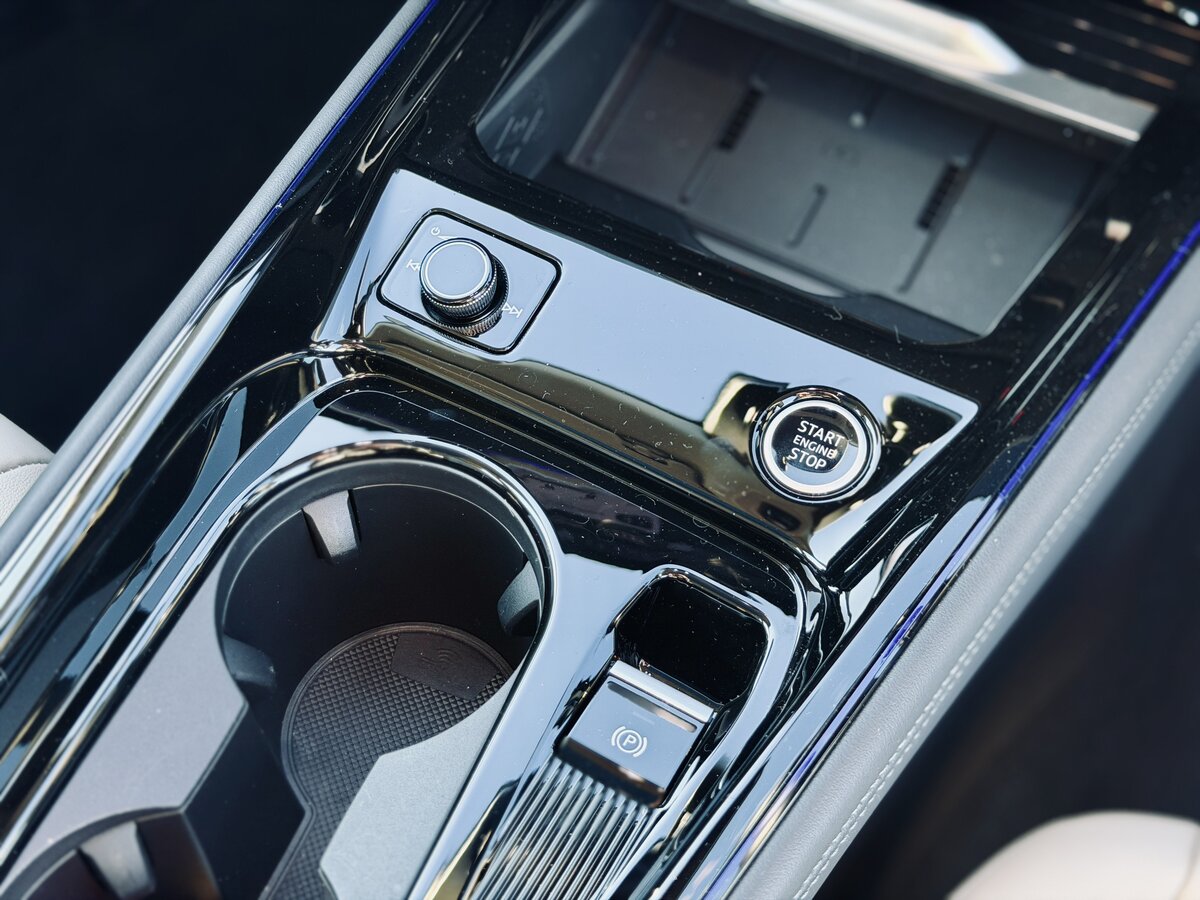
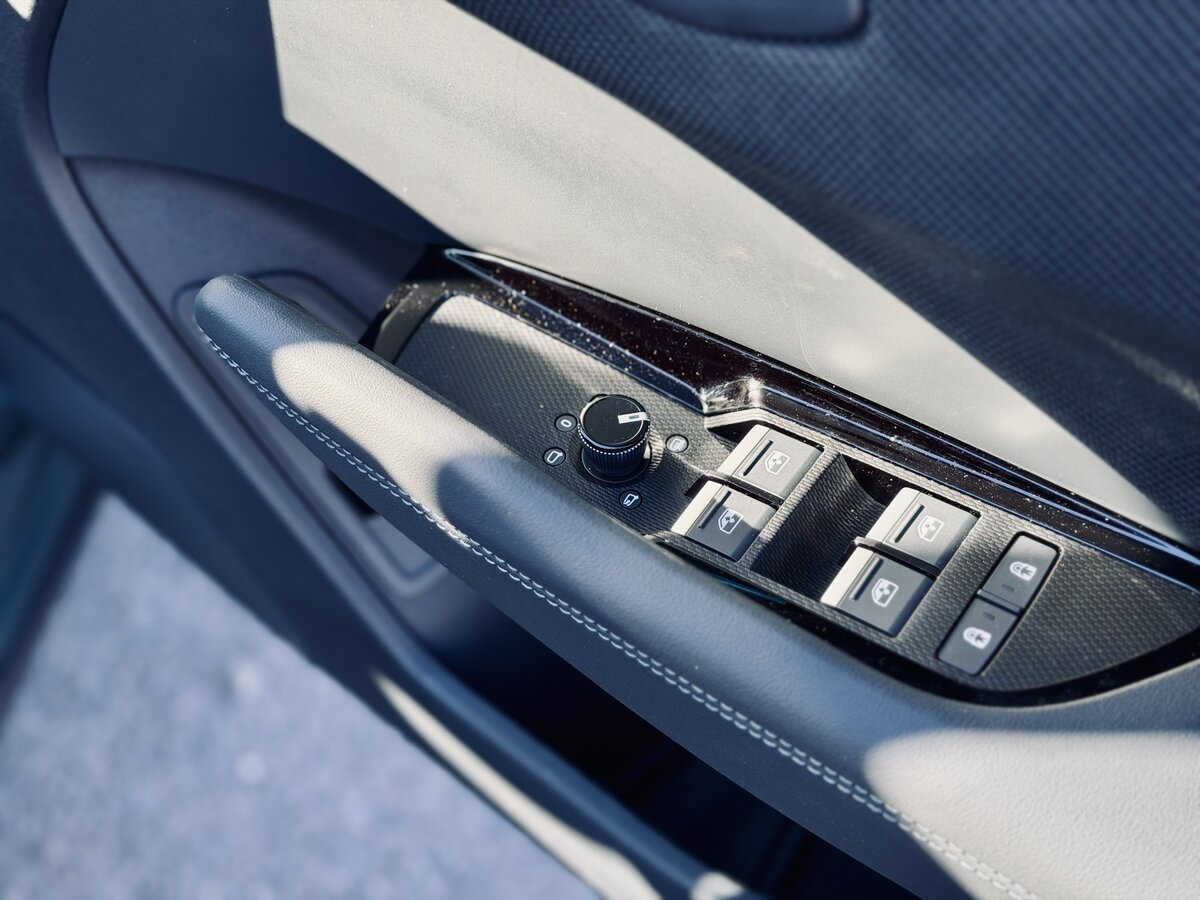
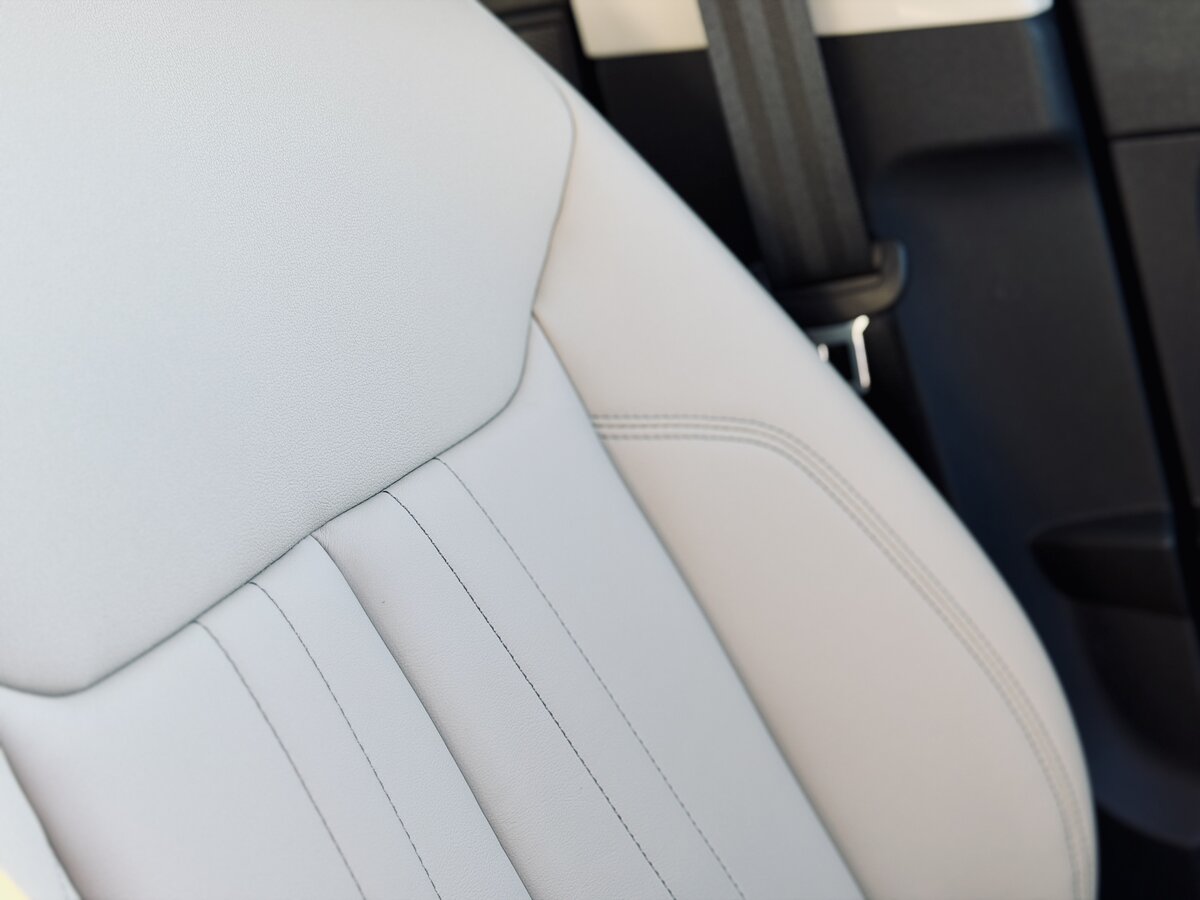
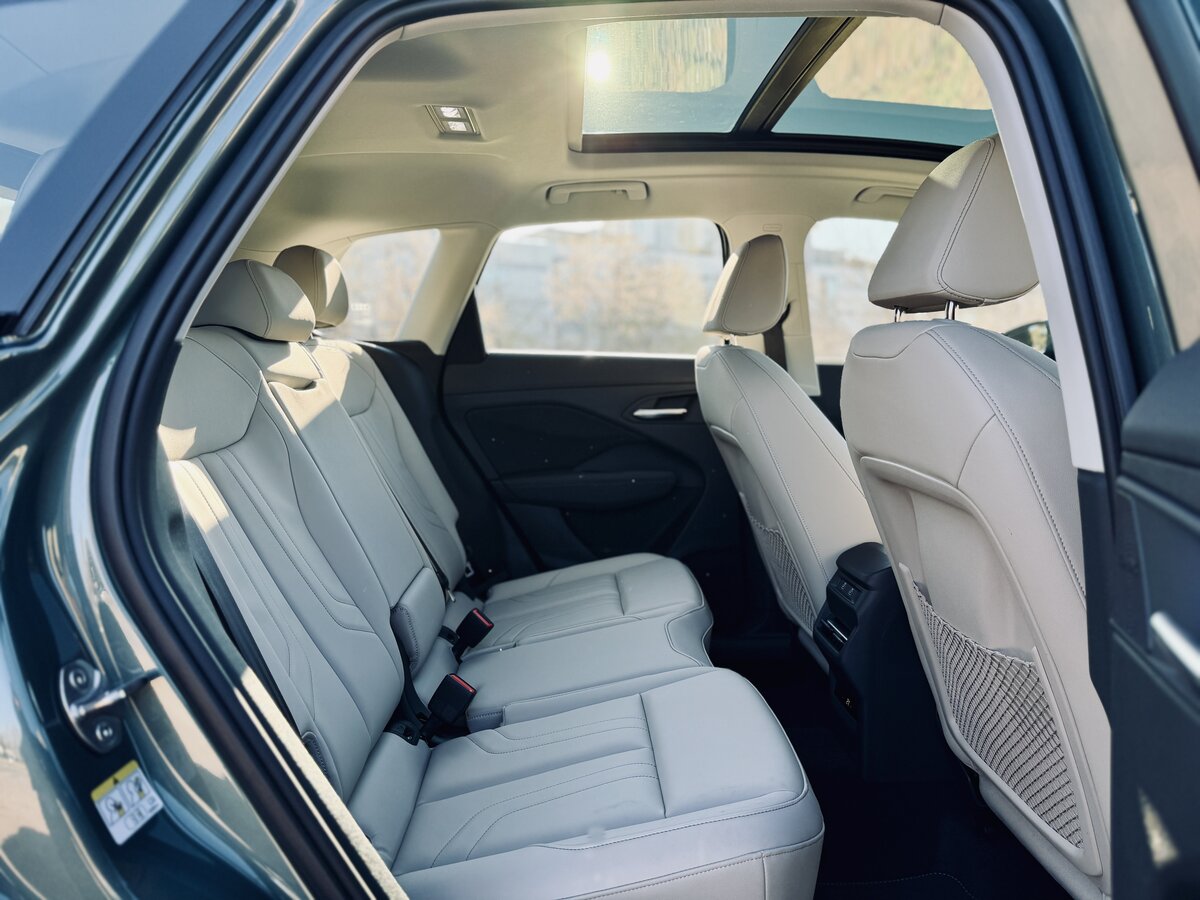
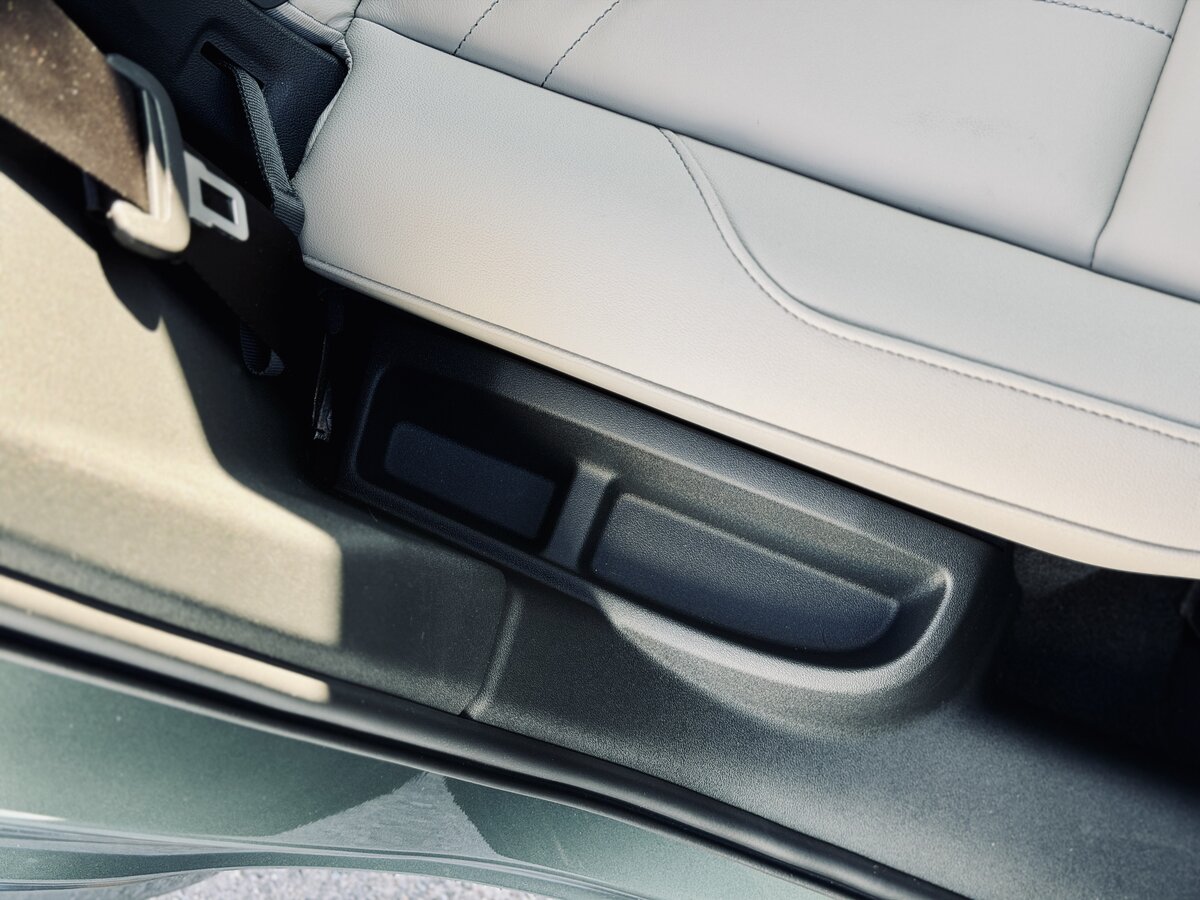
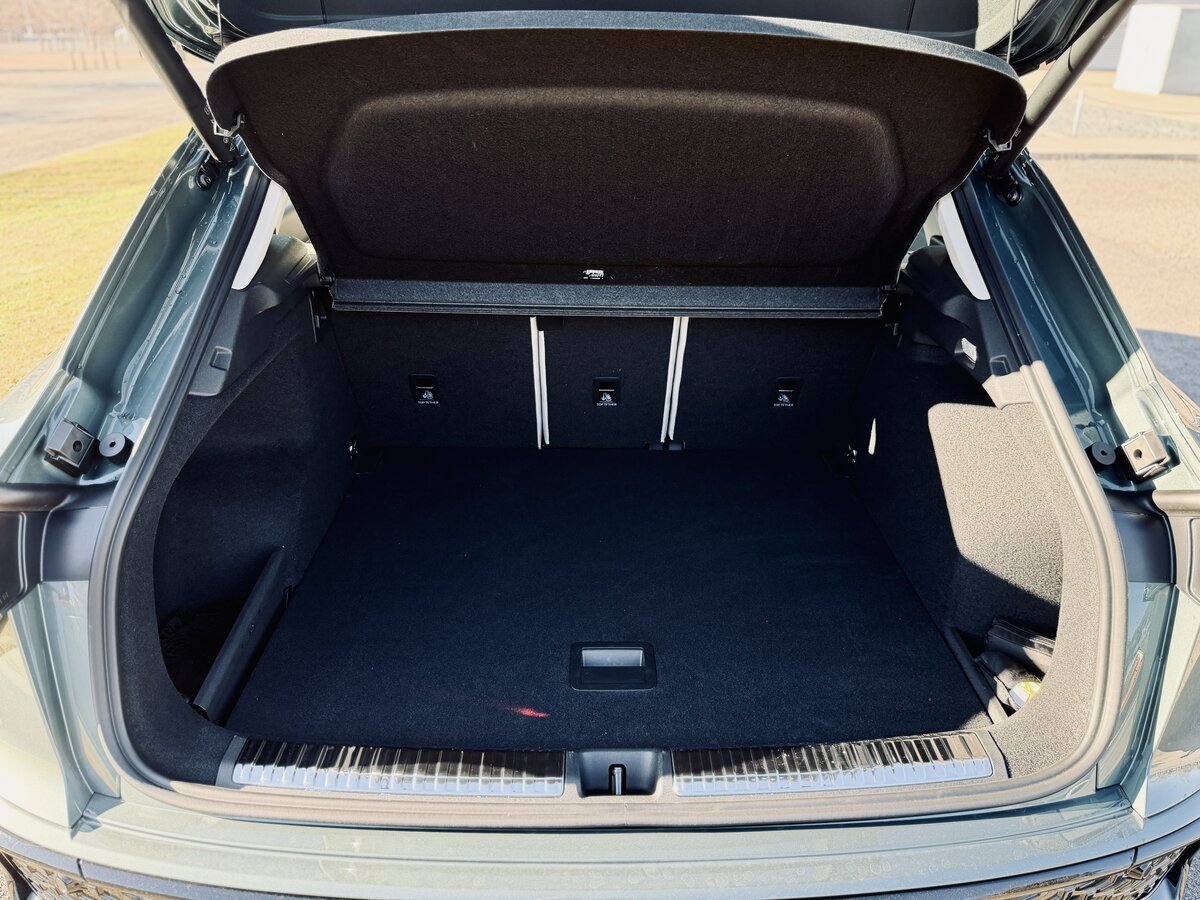
Swipe or scroll sideways · 9 images
It’s right where your fingers expect to find it, auto-cancels properly, and - for the first time ever - comes with wiper ferocity you can adjust without taking your hands off the wheel. Extending the tips of two fingers, and twiddling the little dial - just like you would to indicate - is enough.
It’s a minor detail, but as we know from stones in shoes and 1000-thread-count sheets, little things do matter.
As for the rest of the package? There’s really only one glaring annoyance.
What is it?
The Q3 joined Audi’s lineup in 2011 and exploded into its second-best seller, right behind the Q5. The new model comes as a standard SUV or the Sportback - the latter featuring a rear roofline that looks like it was sat on by Odyssey’s Cyclops.
Engine-wise, you have similar choices to Goldilocks: a base 110kW 1.5-litre mild-hybrid four-cylinder, and a 2.0-litre turbo petrol offered in either 150kW or a lava-like 195kW output.
In my quest to be a man of the people, I tested the entry-level $61,600 110kW model. And regretted it almost immediately.
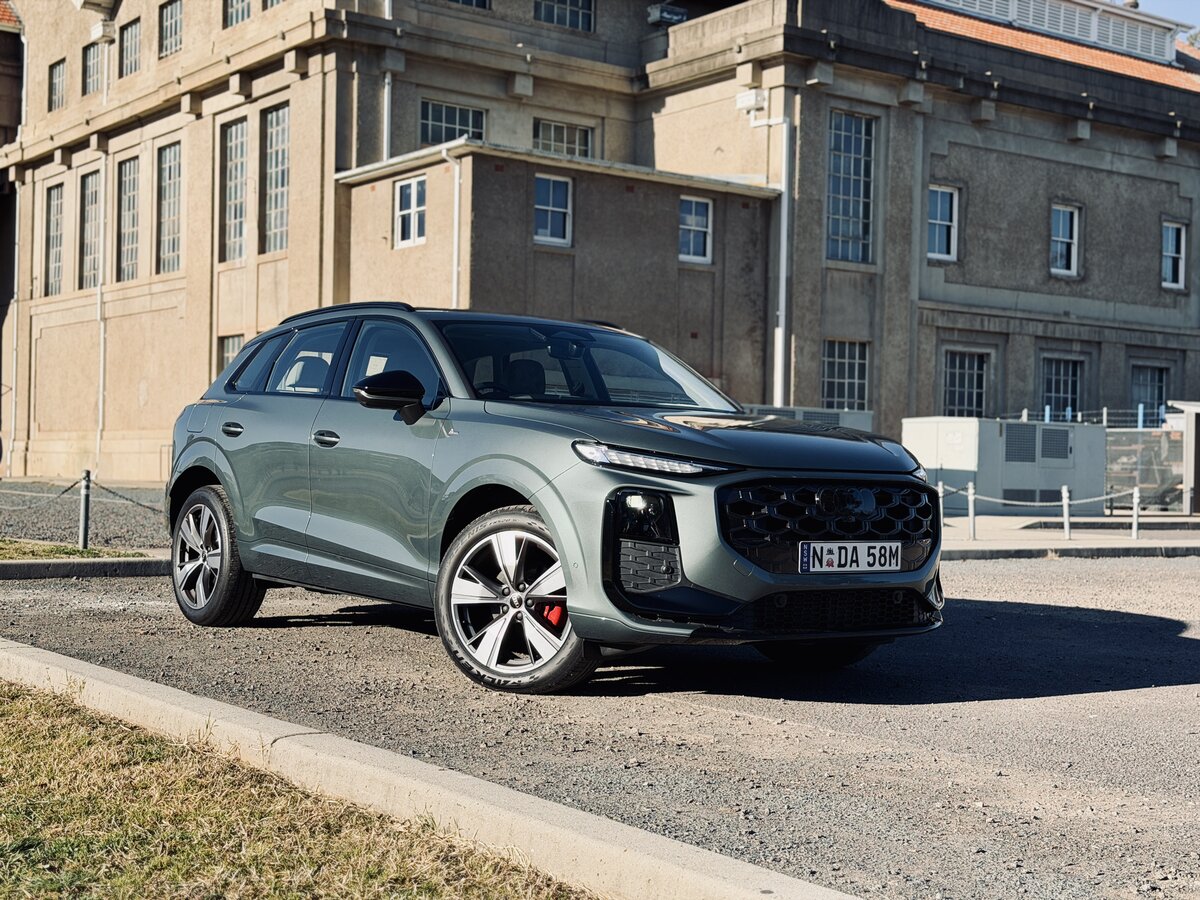
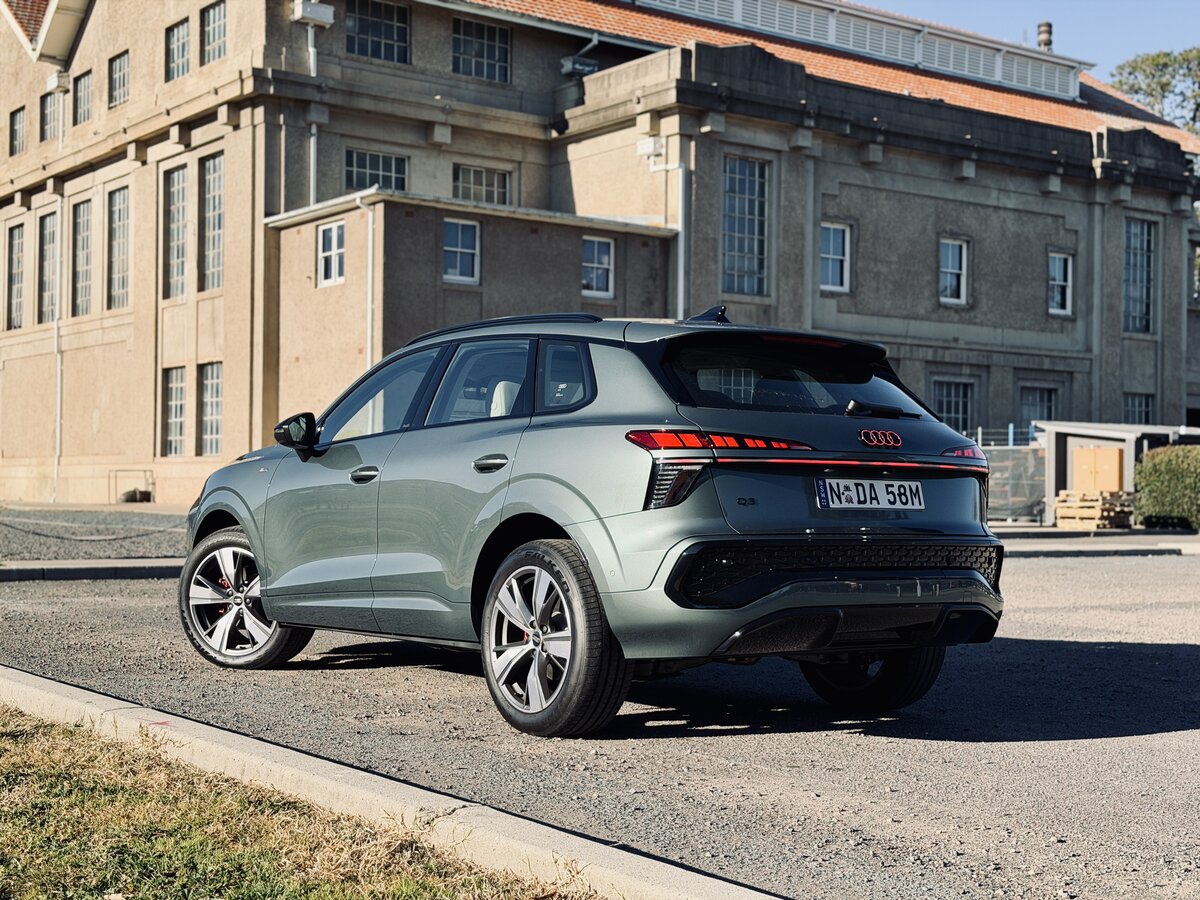
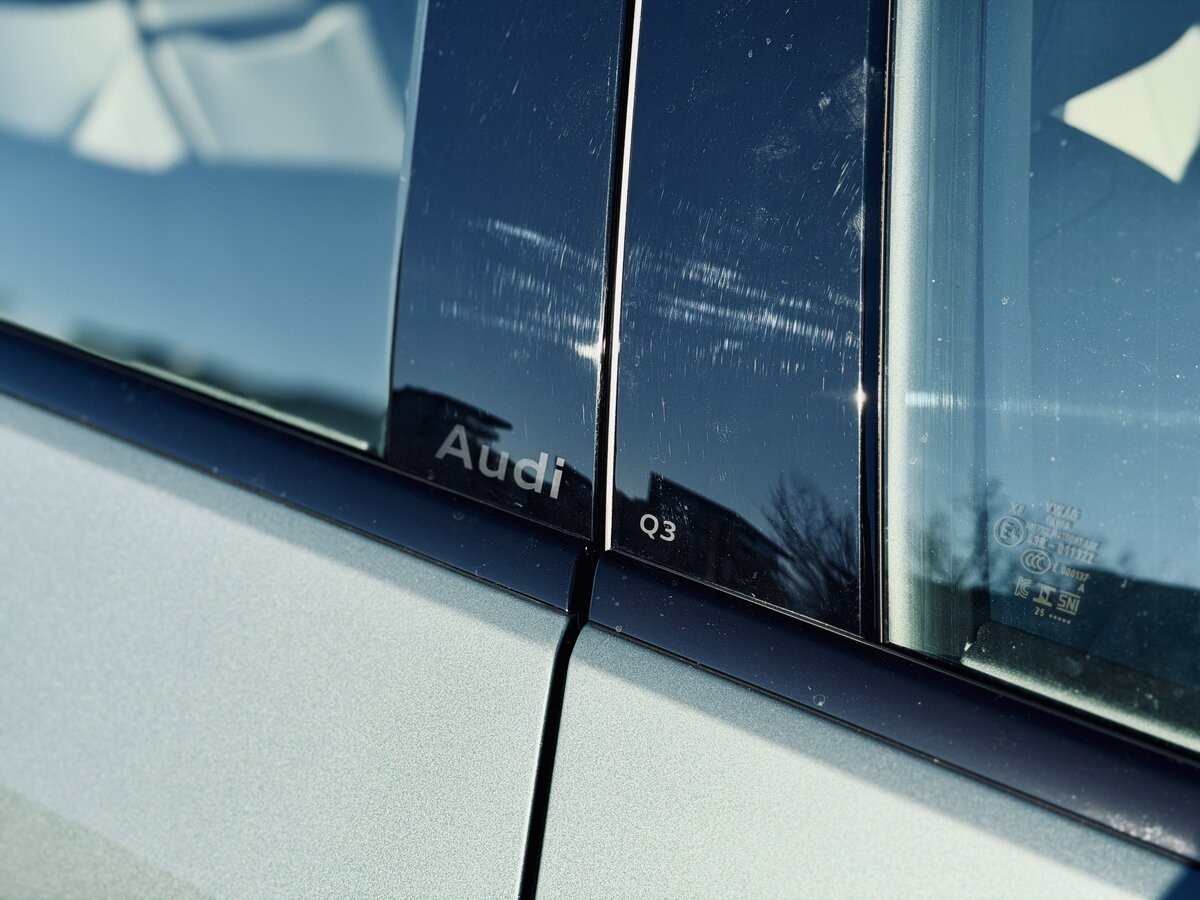
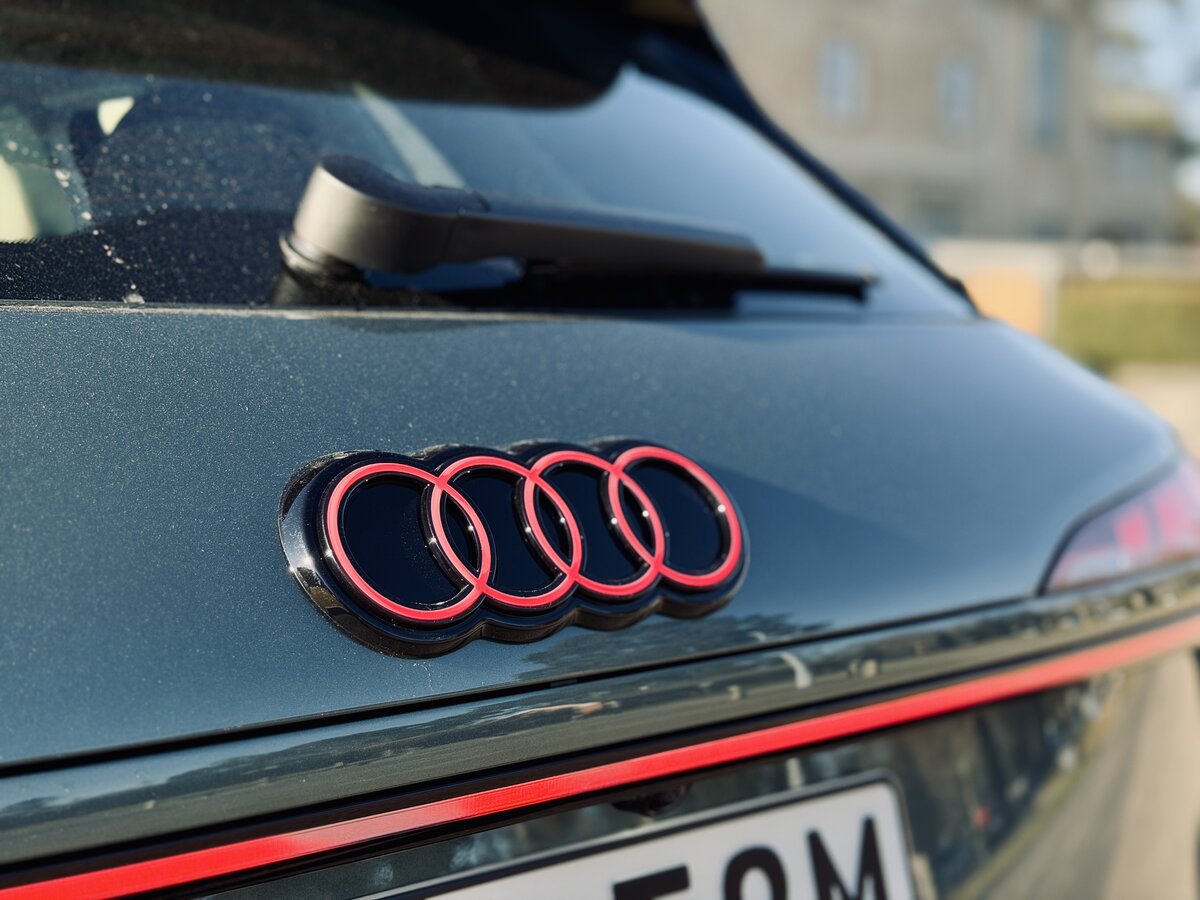
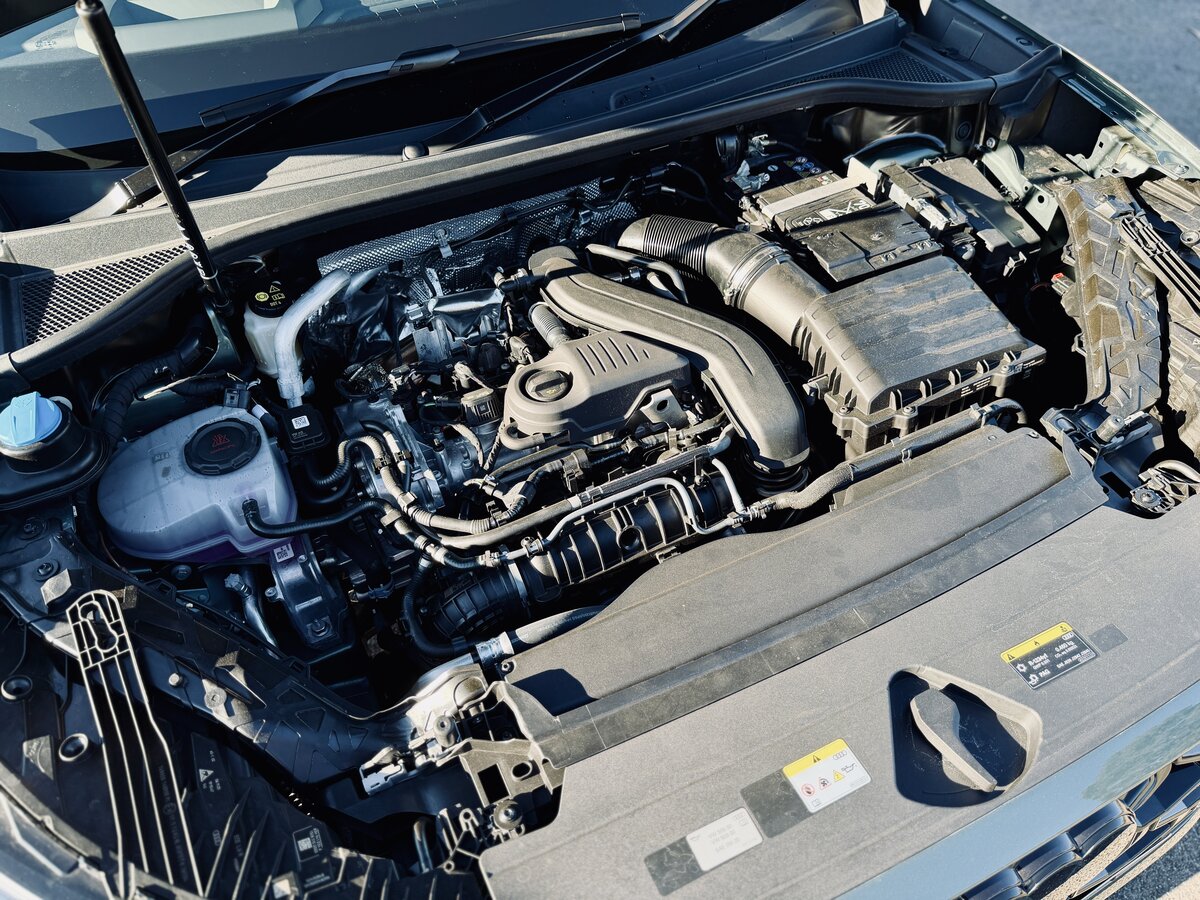
Swipe or scroll sideways · 9 images
What's it like to live with?
It’s zippy enough, but only when it’s in the right gear, which - because there are seven of them - happens about as often as a blue moon. The dual-clutch automatic is always upshifting too early in an effort to conserve fuel, which means whenever you go for a deft overtaking move, you're pumping the pedal to get it to change down. It's a bit stroppy about it too, rocking your head back when it changes at low speeds especially.
It wasn't even that efficient either - I averaged between 7 and 8 litres per 100 km.
Dynamic mode helps by letting you rev higher. But the real cure? Extra power. So, my advice? Skip the base model for the $70,200 150kW version (even if you stop short of the $81,900 195kW one).
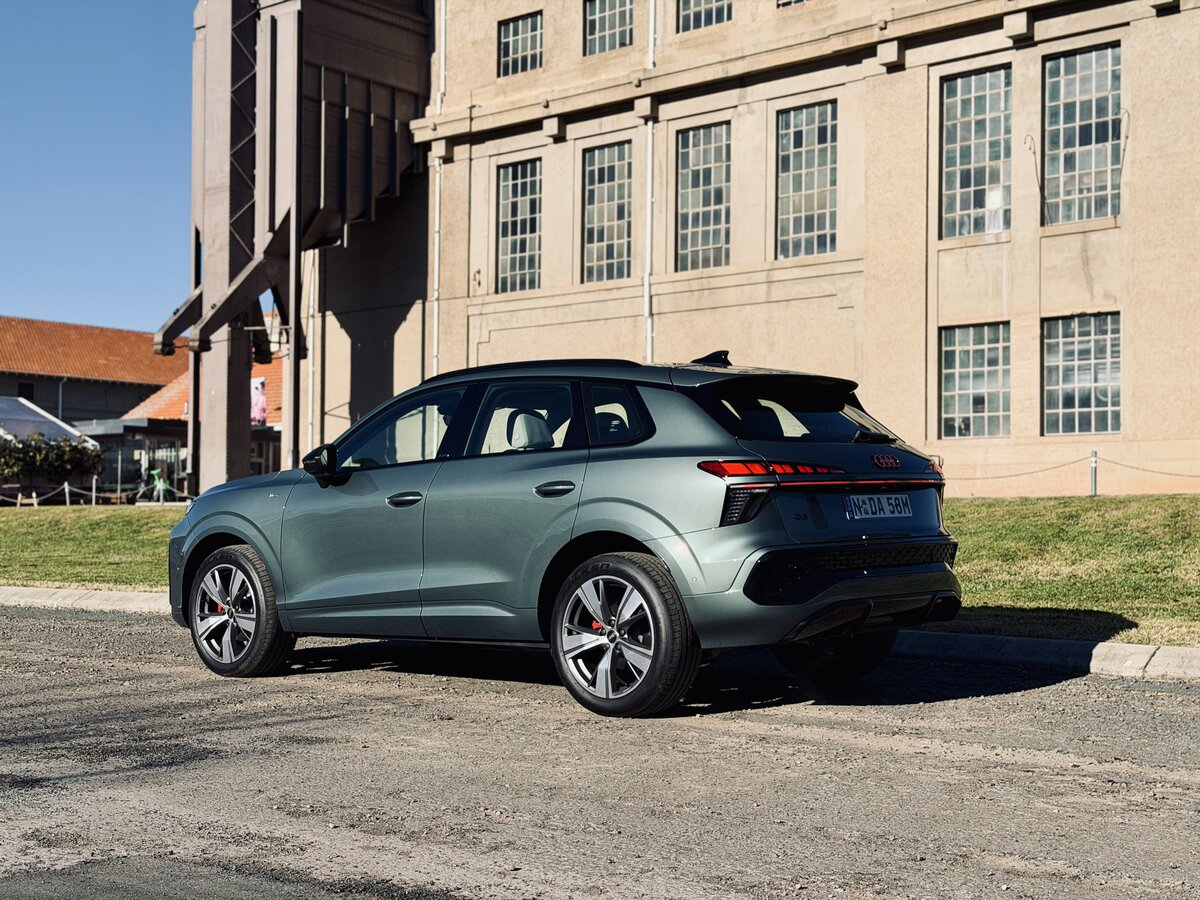
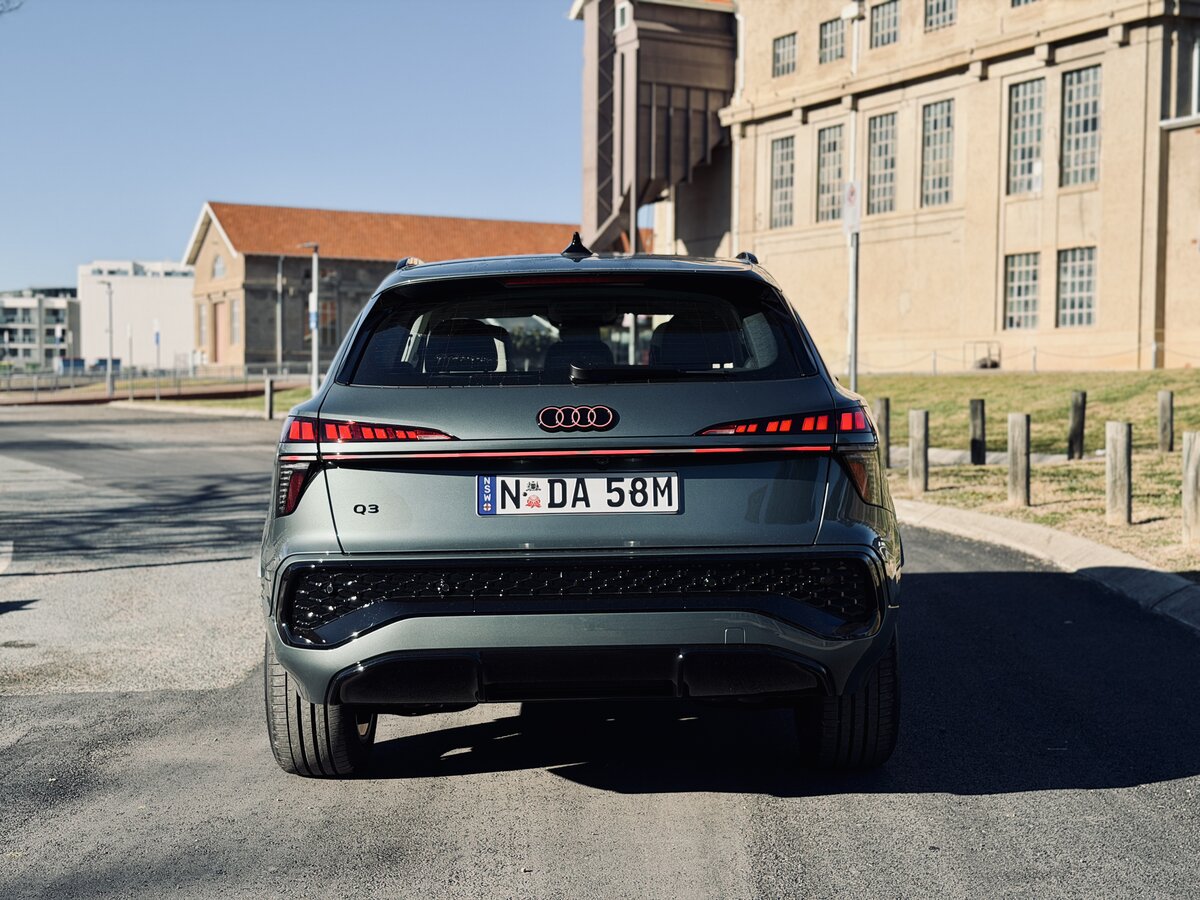
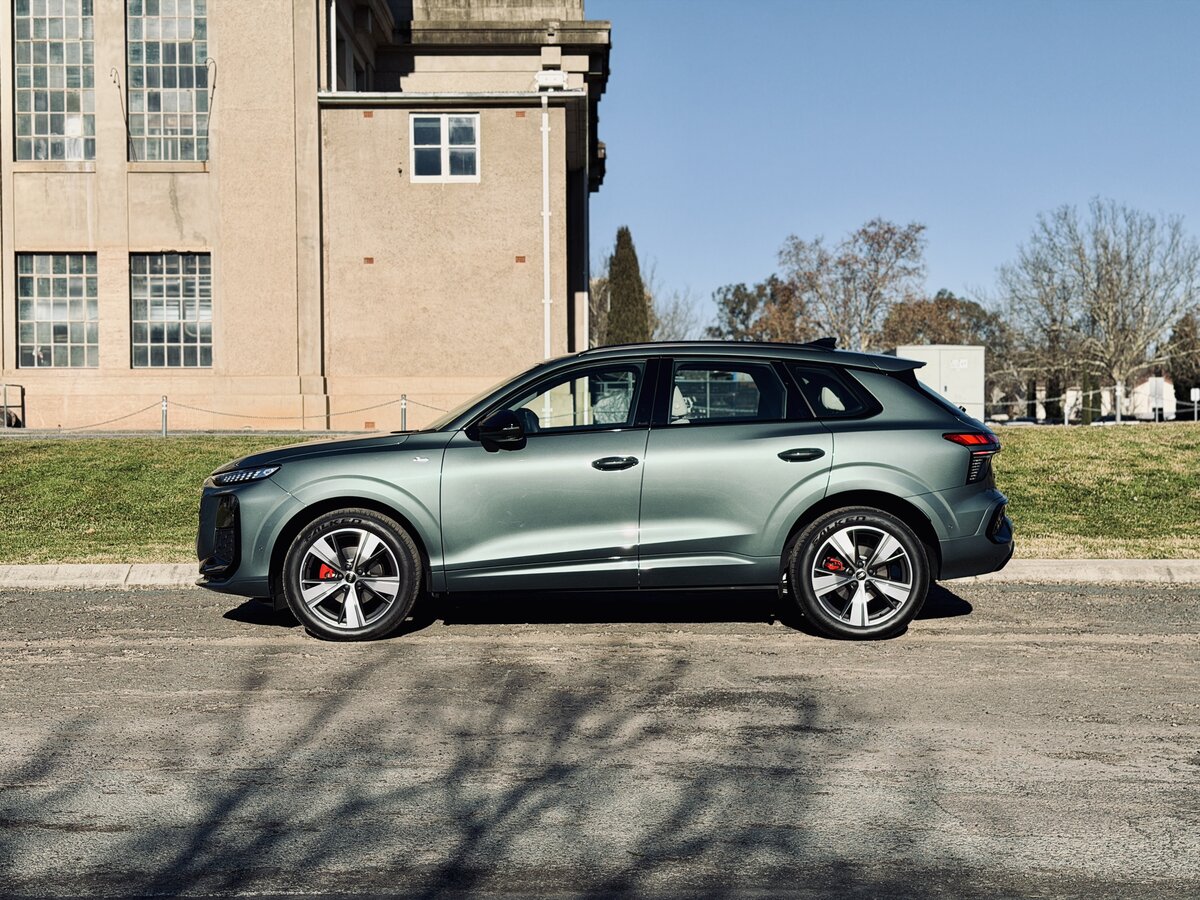
That stunning colour? Sage Green, it's called. Photo: James Coleman.
It's a shame, because the chassis definitely feels built for more. The handling is super tight, the steering is sharp, and the suspension is like finding a pair of shoes that just fits perfectly.
The only real dynamic letdown is a slightly off-putting spongy, stepped brake pedal, presumably as the mild-hybrid system either turns power back to the battery through regenerative braking or sends it away to the wheels.
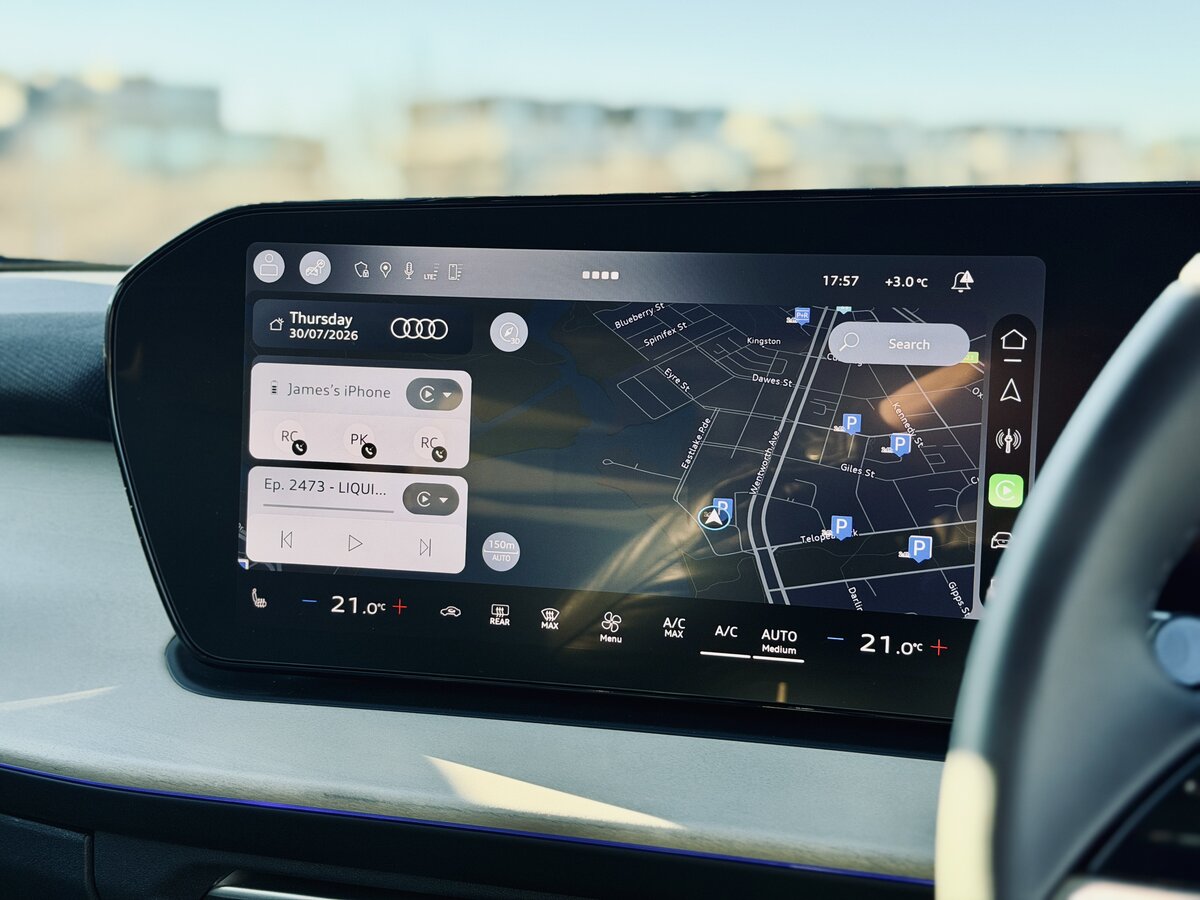
German interior design has felt a bit tacky lately, and despite the clever new indicator arrangement - along with my beautiful black and beige colour scheme, light wood trim that looks like it was pilfered from a peice of expensive Swedish furniture, and a massive panoramic sunroof - the Q3 isn't entirely immune. There's plenty of bland piano black, and the driver's display holds a lot of blank plastic.
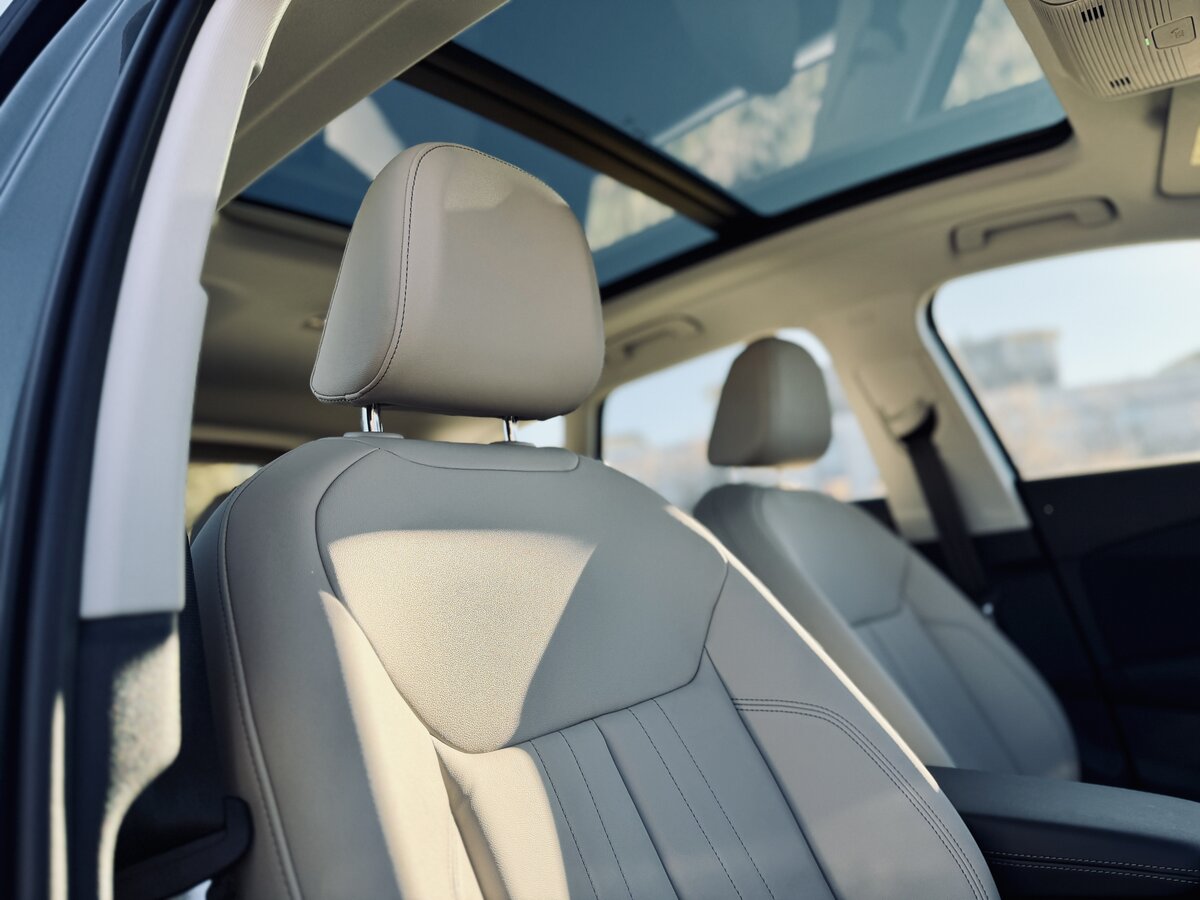
The materials are lovely, as you'd expect. Photo: James Coleman.
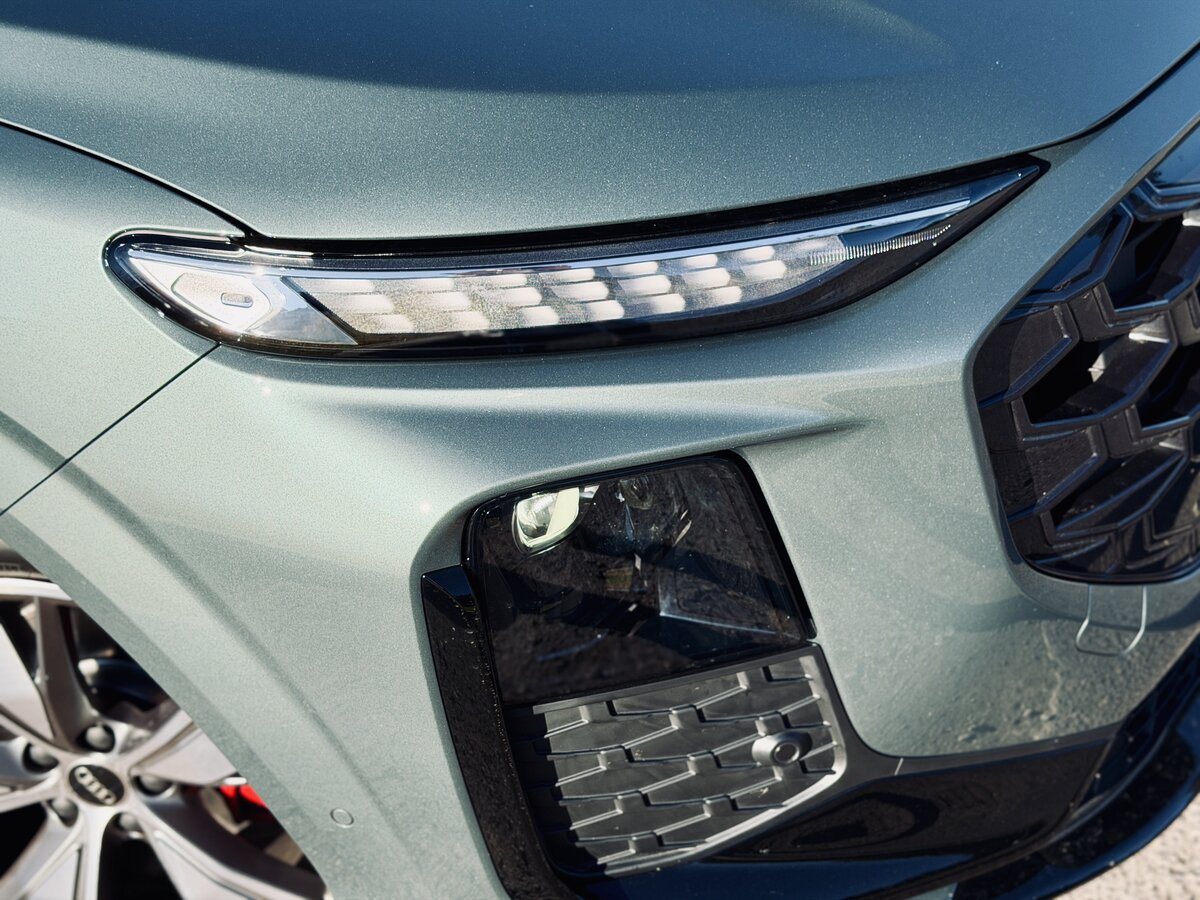
Outside, the look is pleasant (if a little Hyundai Kona), though the rear end feels a bit busy. The VW Group has also decided illuminated logos are peak cool - all the modern Volkswagens get them, Cupras too, and now Audis. Just in case strangers at night miss how much money you earn.
The verdict
Make no mistake: this is the best Q3 yet. As long as you pretend the 110kW model doesn’t exist.
|
|